
• Skip to primary navigation
  • Skip to main content
  • Skip to primary sidebar
  • Skip to footer
Clever Dude Personal Finance & Money

Clever Dude Personal Finance & Money

Family, Marriage, Finances & Life

  • Toolkit
  • Contact
  • Lunch
  • Save A Ton Of Money
  • About Clever Dude
  • Our Editorial Commitment

Cars

10 Scary Car Problems That Start With Simple Dashboard Lights
October 28, 2025
By Travis Campbell
- Leave a Comment
car issues
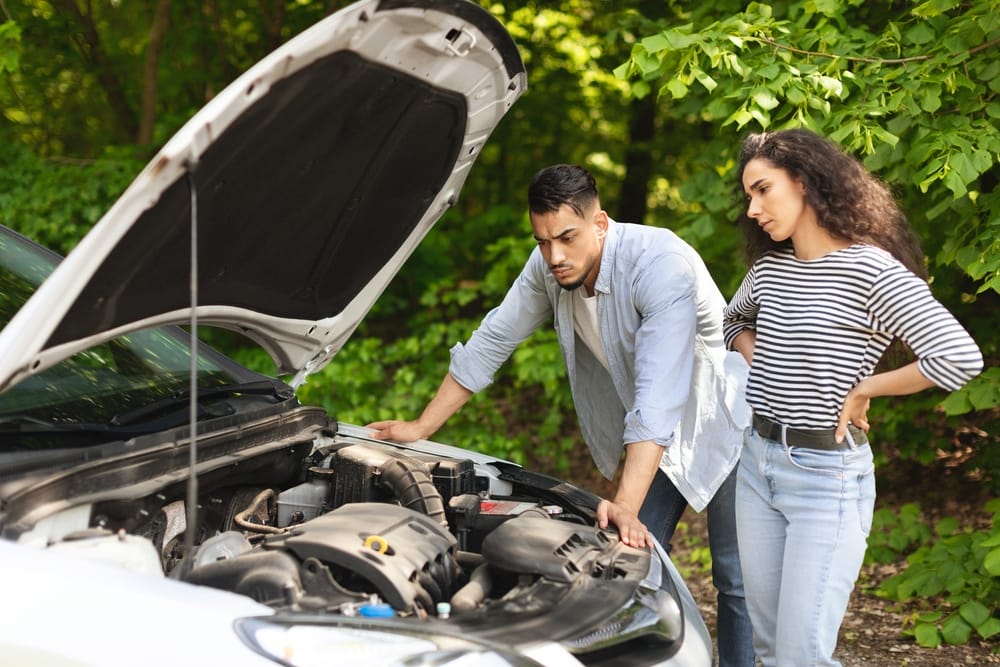
Image Source: Shutterstock

It’s easy to ignore a dashboard warning light, especially when your car seems to drive just fine. But those little icons are more than a minor nuisance—they’re your car’s way of telling you something could be seriously wrong. Many scary car problems start with simple dashboard lights, and ignoring them can lead to expensive repairs or even leave you stranded. Understanding what these lights mean and acting quickly can save you money and keep you safe. Let’s look at ten common warning lights and the big issues they might signal.

1. Check Engine Light

The check engine light is perhaps the most notorious dashboard warning. While it sometimes signals a loose gas cap, it can also indicate scary car problems like a failing catalytic converter or engine misfire. Ignoring this light can lead to decreased fuel efficiency, more significant engine damage, or even a breakdown. If this light comes on and stays on, it’s time to get a diagnostic check as soon as possible.

2. Oil Pressure Warning Light

This warning light looks like an oil can and signals low oil pressure. Low oil pressure can mean your engine isn’t getting the lubrication it needs, which can quickly lead to catastrophic engine failure. If you see this light, stop your car as soon as it’s safe and check your oil level. Running an engine with low oil pressure can destroy it in minutes.

3. Battery Warning Light

The battery symbol on your dashboard doesn’t just mean your battery is weak. It can also point to problems with your alternator or electrical system. If your alternator fails, your car will eventually lose all electrical power, leaving you stranded. If this light comes on while driving, get your charging system checked before you end up stuck with a dead car.

4. Temperature Warning Light

This light, often depicted as a thermometer, means your engine is overheating. Overheating can warp engine components, blow head gaskets, and cause major failure. If you see this light, pull over and let your engine cool before checking coolant levels. Continuing to drive with an overheating engine is a recipe for serious and expensive damage.

5. Brake Warning Light

When the brake warning light pops up, it could be something simple like the parking brake being engaged. But it can also indicate low brake fluid, worn pads, or problems with the brake system. Any issue that affects your ability to stop safely is a scary car problem. Don’t ignore this light—have your brakes inspected right away.

6. ABS Warning Light

The ABS (Anti-lock Braking System) light means there’s a problem with the system that prevents your wheels from locking during hard stops. While your brakes may still work, losing ABS can make it much harder to stop safely in slippery conditions. Addressing this issue quickly can prevent accidents, especially in wet or icy weather.

7. Airbag Warning Light

If the airbag warning light comes on, your car’s airbag system might not work in a crash. That’s a huge safety risk. Faulty sensors, wiring issues, or problems with the airbag module can cause this problem. Don’t take chances—get this checked by a professional as soon as possible to make sure your airbags will deploy when you need them.

8. Tire Pressure Monitoring System (TPMS) Light

This light warns you when your tire pressure is too low or too high. Driving on improperly inflated tires can lead to blowouts or uneven wear, both of which are common, scary car problems. Regularly check your tire pressure, and take this light seriously to avoid dangerous situations and costly tire replacements.

9. Transmission Warning Light

Some vehicles have a specific transmission warning light, while others rely on the check engine light to signal transmission issues. Transmission problems can escalate quickly and are often expensive to fix. If you notice this light along with slipping gears, rough shifting, or strange noises, have your transmission inspected immediately.

10. Power Steering Warning Light

The power steering warning light signals issues with your car’s steering system. Loss of power steering can make your car very difficult to control, especially at low speeds. Sometimes this is caused by low fluid, but it can also mean a failing pump or electrical problem. Don’t risk losing control—get this checked as soon as possible.

Stay Ahead of Scary Car Problems

Dashboard warning lights are your early warning system for scary car problems. Acting quickly when a light comes on can protect your wallet and your safety. Don’t wait for a small issue to turn into a major repair or a dangerous breakdown. If you’re ever unsure what a warning light means, consult your owner’s manual or visit a trusted mechanic.

Regular maintenance is the best way to avoid unexpected repairs. Many drivers find it helpful to use a car maintenance app or keep a log. If you want to learn more about how to keep your car running safely, you might find this dashboard warning lights resource helpful.

Have you ever had a dashboard light turn into a major repair? Share your story or tips in the comments below!

What to Read Next…

  • 7 Reasons Your Cars Fuel Injectors Are Triggering Dashboard Lights You Ignore
  • 10 Things Your Mechanic Wishes You Knew Before Doing Diy Repairs
  • 10 Things You Need To Know Before Buying A Secondhand Porsche
  • 9 Car Maintenance Habits That Cause More Harm Than Good
  • 8 Car Maintenance Habits That Will Save You Thousands

Related Posts

  • Coming from a former mechanic, you should never neglect your car. Period. Regular maintenance should be something you always budget for. That said, there are certain car parts that I've seen a lot of drivers consistently neglect over the years. Some of this can lead to serious engine problems and expensive repairs (to the tune of thousands of dollars). If you want to avoid that, you need to keep a close eye on these overlooked car parts that might be clogging your engine and causing issues. 1. Air Filter Your car’s air filter plays a crucial role in ensuring clean air reaches the engine. Over time, it can become clogged with dust, dirt, and debris, reducing airflow and affecting engine performance. A dirty air filter can lead to decreased fuel efficiency and increased emissions. Regularly checking and replacing your air filter can prevent these issues and keep your engine running smoothly. Most air filters should be replaced every 30,000 to 45,000 miles, depending on driving conditions.  2. Fuel Filter Another component that plays a huge role in engine performance is your vehicle's fuel filter. It keeps contaminants out of your fuel system, which, as you can imagine, is important. A clogged fuel filter can restrict fuel flow, causing your engine to run poorly or even stall. Over time, dirt and debris can accumulate in the filter, reducing its effectiveness. It's essential to replace the fuel filter according to your vehicle's maintenance schedule, typically every 20,000 to 40,000 miles. Ignoring this component can lead to decreased engine performance and potential damage to the fuel injectors.  3. PCV Valve Your vehicle's Positive Crankcase Ventilation (PCV) valve helps regulate and remove harmful gases from the engine’s crankcase. Over time, the PCV valve can become clogged with sludge and carbon deposits, causing engine issues. A faulty PCV valve can lead to increased oil consumption, rough idling, and poor fuel economy. Regular inspection and replacement of the PCV valve can prevent these problems and improve engine efficiency. Most PCV valves should be checked every 30,000 miles.  4. Catalytic Converter The catalytic converter plays a vital role in reducing harmful emissions from your vehicle. A clogged or damaged catalytic converter can lead to decreased engine performance and increased emissions. Over time, contaminants and unburned fuel can accumulate in the converter, causing it to become less effective. Regular maintenance and addressing engine issues promptly can help extend the life of your catalytic converter. If you notice a decrease in engine power or unusual exhaust smells, it may be time to check the catalytic converter. However, be wary of any mechanic that suggests this is the issue immediately. Many shops try to get extra money by saying the catalytic converter is the problem when it really isn't.  5. EGR Valve Every car has an Exhaust Gas Recirculation (EGR) valve. It helps reduce nitrogen oxide emissions by recirculating a portion of the exhaust gases back into the engine. A clogged or malfunctioning EGR valve can lead to rough idling, reduced fuel efficiency, and increased emissions. Regular cleaning and inspection of the EGR valve can prevent these issues and maintain optimal engine performance. Most EGR valves should be checked every 30,000 to 50,000 miles. Neglecting this component can result in decreased engine efficiency and costly repairs.   A Little Maintenace Goes a Long Way Regular maintenance is key to avoiding major engine issues. Trust me, I've seen vehicles that are neglected and the owner winds up paying way more than they needed to for a fix. Make sure that you are paying attention to these often-overlooked car parts. Addressing any problems will help you prevent clogs and, therefore, ensure your engine continues running at its best. Don't wait until there are signs of trouble! Be proactive in your car care and you'll enjoy a smoother ride. Read More 6 Must-Know Dashboard Gauges and What They Tell You About Your Truck 10 Genius Features in SUVs That Make Long Drives a Breeze
    What’s Really Clogging Your Engine? 5 Car Parts You’re Neglecting

    Coming from a former mechanic, you should never neglect your car. Period. Regular maintenance should…

  • When to use GoFundMe
    10 Times It's Okay to Use "Go Fund Me" to Raise Money

    In today's world, raising money for important causes or unexpected expenses has become easier with…

  • better partner
    How To Show Up As A Better Partner Without Losing Your Identity

    Being in a healthy relationship doesn’t mean losing yourself. The strongest partnerships are built on…

  • Choosing Between a Garage and a Carport: Which Option Fits Your Budget?

    When considering how to protect your vehicle, homeowners often face the decision between installing a…

  • male friendships
    9 Sad Truths About Male Friendships Nobody Admits

    Male friendships are often portrayed as carefree and uncomplicated, but the reality is far more…

  • dating app
    Why Dating Apps Don’t Work the Same Once You’re Past 50

    Dating apps have changed how people meet, but the experience can feel very different once…

Travis Campbell

About Travis Campbell

Travis Campbell is a digital marketer and code developer with more than 10 years of professional experience and over six years as a writer. He holds a BA in E-commerce and brings a practical, systems-oriented perspective to topics ranging from personal finance and consumer decisions to automotive issues and everyday life advice. As a former editor and contributor for District Media properties including CleverDude.com and SavingAdvice.com, he specializes in clear, actionable content that helps readers navigate real-world financial and lifestyle challenges.

Reader Interactions

Leave a Reply Cancel reply

Your email address will not be published. Required fields are marked *

Primary Sidebar

Most Popular Articles

Are you feeling the call to be a Clever Dude? Then, let's get down to brass tacks and explore what it takes to be one. Get ready for an in-depth look into the anatomy of someone who exudes cleverness!

There's nothing like hearing you're clever; it always hits the spot!

Footer

  • Toolkit
  • Contact
  • Lunch
  • Save A Ton Of Money
  • About Clever Dude
  • Our Editorial Commitment

Copyright © 2006–2026 District Media, Inc. All Rights Reserved. Contact Us