
10 Reasons Your Gas Tank Is Emptying Faster Than It Should (And Costing You Money)
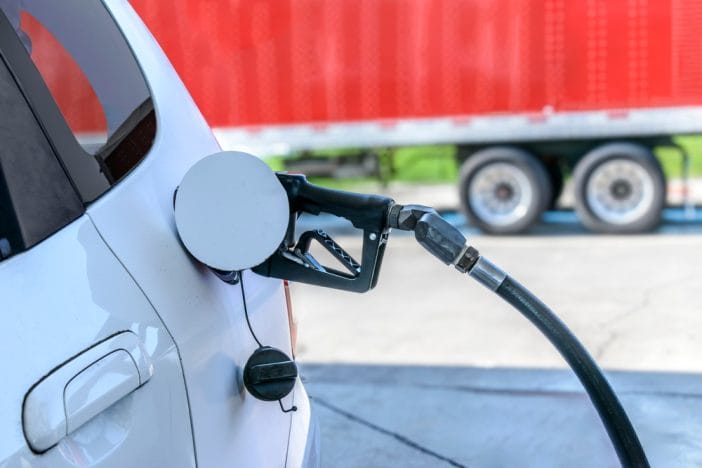
Gas prices refuse to stay predictable, and nothing stings more than watching the fuel gauge drop faster than expected. A tank that should last all week suddenly struggles to make it a few days, quietly draining money with every mile. Many drivers blame rising fuel costs, but the real issue often hides in everyday habits and overlooked maintenance problems.
Small inefficiencies stack up quickly, turning routine drives into expensive patterns. Fixing these issues not only stretches each gallon but also puts real cash back where it belongs—your wallet.
1. Aggressive Driving Habits
Rapid acceleration and hard braking burn through fuel at an alarming rate. Every time a driver slams the gas pedal, the engine demands more fuel than necessary to reach speed. Sudden stops waste that energy completely, forcing the car to repeat the process again and again.
Smooth, steady driving keeps fuel consumption predictable and efficient. Adopting gradual acceleration and coasting to stops can improve gas mileage by up to 30% in city driving conditions.
2. Underinflated Tires
Tires lose pressure naturally over time, but many drivers forget to check them regularly. Low tire pressure increases rolling resistance, which forces the engine to work harder just to move the vehicle. That extra effort translates directly into higher fuel consumption. Even being a few PSI below the recommended level can reduce efficiency by several percentage points. Keeping tires properly inflated ensures smoother driving and better mileage with almost no effort.
3. Carrying Excess Weight
Cars often double as storage units, filled with items that never leave the trunk. Extra weight puts additional strain on the engine, especially during acceleration and uphill driving. Even 100 extra pounds can noticeably reduce fuel efficiency over time. Roof racks and cargo carriers create even more drag, compounding the problem. Clearing out unnecessary items can deliver an immediate and measurable improvement in gas mileage.
4. Ignoring Routine Maintenance
Skipping oil changes and tune-ups quietly chips away at fuel efficiency. Dirty oil increases engine friction, forcing it to work harder than it should. Worn spark plugs or clogged air filters disrupt combustion, leading to wasted fuel. Routine maintenance keeps the engine running smoothly and efficiently. Investing in basic upkeep costs far less than repeatedly filling up the tank sooner than expected.
5. Driving at High Speeds
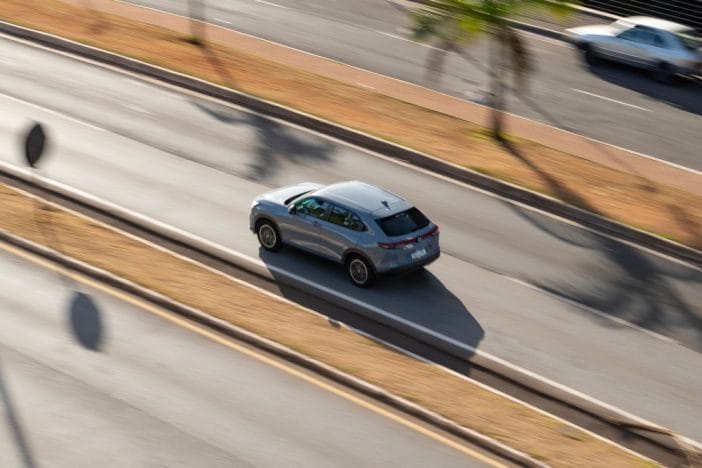
Highway driving feels efficient, but speed plays a major role in fuel consumption. Most vehicles hit peak efficiency between 45 and 60 mph. Pushing beyond that range increases aerodynamic drag significantly.
At 75 mph, a car can use up to 20% more fuel compared to lower speeds. Slowing down slightly not only improves safety but also stretches every gallon much further.
6. Idling Too Long
Letting the engine run while parked might seem harmless, but it wastes fuel with zero miles gained. Modern engines do not need long warm-up periods, even in colder weather. Idling for more than a minute consumes more fuel than restarting the engine. Daily habits like waiting in parking lots or drive-thru lines quickly add up. Turning off the engine when stopped for extended periods can prevent unnecessary fuel loss.
7. Faulty Oxygen Sensors
Oxygen sensors monitor how much fuel mixes with air during combustion. When they fail, the engine often runs too rich, meaning it burns more fuel than necessary. This issue can reduce fuel efficiency by as much as 40% in severe cases. Many drivers miss the warning signs because the car still runs. Replacing a faulty sensor costs far less than the ongoing expense of wasted fuel.
8. Using the Wrong Motor Oil
Not all motor oils perform the same way under pressure. Using oil that does not match the manufacturer’s recommendation can increase engine resistance. Thicker oil creates more friction, forcing the engine to consume extra fuel. Modern engines rely on precise lubrication to maintain efficiency. Choosing the correct oil grade ensures optimal performance and helps maintain consistent gas mileage.
9. Poor Route Planning
Stop-and-go traffic destroys fuel efficiency faster than almost anything else. Constant braking and accelerating waste fuel in short bursts throughout the drive. Choosing routes with fewer traffic lights or smoother flow can make a noticeable difference. Even leaving a few minutes earlier to avoid congestion can improve mileage. Smart planning turns everyday driving into a more efficient and less costly routine.
10. Air Conditioning Overuse
Air conditioning provides comfort, but it comes at a cost to fuel efficiency. Running the AC puts extra load on the engine, especially during city driving. At lower speeds, this impact becomes more noticeable. On highways, open windows can increase drag, making AC the better option. Balancing comfort with efficiency—such as using ventilation when possible—helps reduce unnecessary fuel consumption.
The Real Cost of Ignoring Fuel Efficiency
Fuel inefficiency rarely announces itself loudly, but it steadily drains money over time. Small habits like aggressive driving or skipping maintenance quietly compound into hundreds of dollars lost each year. Fixing these issues does not require drastic changes—just consistent awareness and smarter choices behind the wheel. Drivers who pay attention to these details often notice immediate improvements in both mileage and performance. A few simple adjustments can transform a fast-emptying gas tank into a far more manageable expense.
What habits do you think impact your gas mileage the most—and which one will you change first? Let’s chat about it below in our comments section.
You May Also Like…
10 Driving Habits That Are Quietly Wasting Your Gas Money—And Cost Nothing to Fix
5 Gas Pump Mistakes That Could Be Costing You Hundreds a Year
Data Breaches Keep Fueling Identity Theft and These Three Locks Add Protection
Performance Software Solutions for Everyday Driving
5 Harmless Driving Habits That Could Cost You Your License
Related Posts
-

Career advice can be beneficial, but in some cases, it can be straight-up harmful. There…
-

Winter does not politely inconvenience your septic system. It challenges it head-on, and if your…
-

All of our mobile phones beeped or buzzed at the same time from an incoming…
-

My son informed me last night that he and his friends want to get into…
-

When I first got married, it was in my mother’s house. We didn’t even have…
-

Playing it safe might feel secure, but it rarely leads to greatness. Growth, confidence, and…
