
10 ‘Quick’ Fixes That End Up Wrecking Your Home’s Value
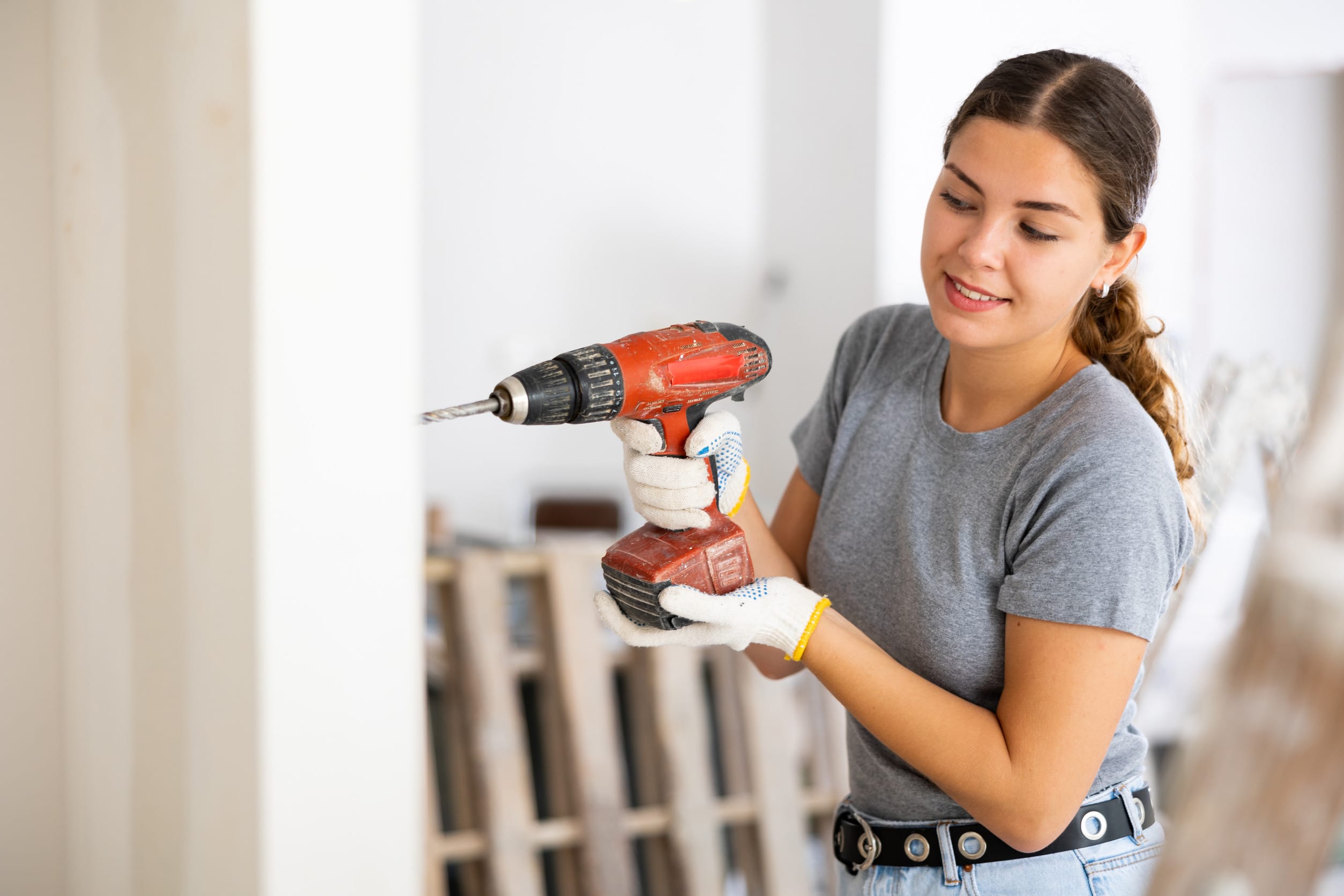
When something breaks around the house, it’s tempting to slap on a “quick fix” and call it a day. Maybe you want to save money, avoid calling a contractor, or just cross something off your to-do list. But these shortcuts can quietly chip away at your home value over time. What seems like a harmless patch job could cost you thousands when it’s time to sell. Before you grab the duct tape or cheap replacement part, read this list of quick fixes that can seriously hurt your property’s worth.
1. Painting Over Mold Instead of Treating It
Mold might be unsightly, but painting over it doesn’t make it disappear. In fact, this quick fix traps moisture and allows mold to spread behind the walls or under flooring. Future buyers or inspectors will notice, the presence of hidden mold is a red flag. It can require costly remediation and could scare off potential buyers entirely. If you care about your home value, address the source of the mold properly before painting anything.
2. Using Peel-and-Stick Flooring as a Long-Term Solution
Peel-and-stick vinyl tiles or laminate panels are popular for quick makeovers, but they rarely last. Over time, these materials can curl, peel, or fade, making the entire room look worn out. Worse, improper installation can create uneven surfaces that reduce the visual appeal of your home. Buyers may see these floors as something that needs immediate replacement. Quality flooring choices are one of the top contributors to home value, so this shortcut can backfire.
3. DIY Plumbing Repairs Without Permits or Professionals
Replacing a faucet or fixing a leak might seem simple enough, but deeper plumbing fixes often require expertise. Using the wrong fittings, skipping permits, or cutting corners can lead to leaks behind walls. Water damage and mold from poor plumbing is one of the fastest ways to lower your home value. If a buyer discovers unpermitted or sloppy work during inspection, it can kill a deal. When it comes to water, it’s worth getting it right.
4. Installing Wall-to-Wall Carpeting Over Hardwood
Carpet can feel cozy, but installing it over hardwood floors is a common mistake. Hardwood is more valuable and desirable to most buyers, especially millennials and first-time homebuyers. Covering it up with carpet suggests there might be damage underneath and hides a major asset. It’s better to refinish existing wood floors rather than hide them. Protecting your home value means showcasing what makes your property more appealing.
5. Caulking Cracks Without Fixing the Structure
If you see a crack in the wall or ceiling, slapping on some caulk might seem like a smart move. But cracks can be a sign of foundation issues or shifting structures—problems no tube of caulk will fix. Cosmetic fixes without structural solutions fool no one during a home inspection. Buyers will want to know the real cause, and quick covers can make your home look poorly maintained. Structural integrity plays a big role in home value, and it’s not something you can shortcut.
6. Painting Kitchen Cabinets Without Sanding or Priming
Painting cabinets is a budget-friendly way to refresh a kitchen—if done correctly. But many people skip sanding or priming and apply paint directly to dirty or glossy surfaces. The result is peeling paint, visible brush marks, and a look that says “cheap flip.” A poorly painted kitchen can lower offers or turn away buyers. Your home value benefits more from a clean, professional update than a rushed paint job.
7. Replacing Appliances With Mismatched Bargain Models
Swapping in a cheap fridge or stove from the clearance section can seem like a money saver. But mismatched or outdated appliances stick out like a sore thumb, especially in kitchens and laundry rooms. Buyers prefer cohesive, energy-efficient appliances that complement the space. A mismatched look suggests patchwork upgrades instead of thoughtful improvements. When it comes to home value, consistency makes a stronger impact than random replacements.
8. DIY Electrical Work Without Knowledge
Wiring a light fixture or adding an outlet might look easy on YouTube, but DIY electrical work can be dangerous. If done incorrectly, it can lead to power surges, flickering lights, or even fire hazards. Home inspectors will flag unpermitted or substandard electrical work instantly. This not only affects your home value but can delay or derail a sale entirely. Call a licensed electrician for anything beyond a simple bulb change.
9. Adding a Cheap Backsplash with Adhesive Tiles
Adhesive backsplash tiles are marketed as a fast, no-fuss upgrade. While they might look fine at first, they tend to peel, shift, or bubble over time, especially near heat and steam. Poor adhesion or crooked placement makes the entire kitchen look less polished. A sloppy backsplash can be more damaging to your home value than having none at all. If you can’t install tile properly, it’s better to skip it until you can.
10. Ignoring Curb Appeal with Spray-Painted Fixes
Using spray paint to freshen up outdoor features like shutters, planters, or furniture can help temporarily. But it often fades quickly or chips under weather exposure. Cheap spray jobs on doors, trims, or railings are usually noticeable and feel like a band-aid. Curb appeal is your home’s first impression, and a sloppy exterior can lower buyer interest immediately. If your goal is to preserve home value, invest time in lasting outdoor improvements.
Shortcuts Today, Regrets Tomorrow
Quick fixes might offer immediate relief or satisfaction, but they rarely stand the test of time. In fact, they often create more problems—ones that drag down your home’s perceived value and appeal. Whether you’re preparing to sell or just want to maintain your investment, be mindful of which shortcuts you choose. Sometimes, doing it right the first time is the best way to protect your home value for years to come.
Which shortcut do you wish you’d skipped when it came to home repairs? Share your story in the comments—we’d love to hear how you learned the hard way!
Read More
DIY Fixes That Quietly Lower the Value of Every Home on Your Block
How Many DIY Fixes in Your Home Would Fail an Insurance Inspection?
