
10 Neighborhood Disputes That Escalated to Full Court Hearings
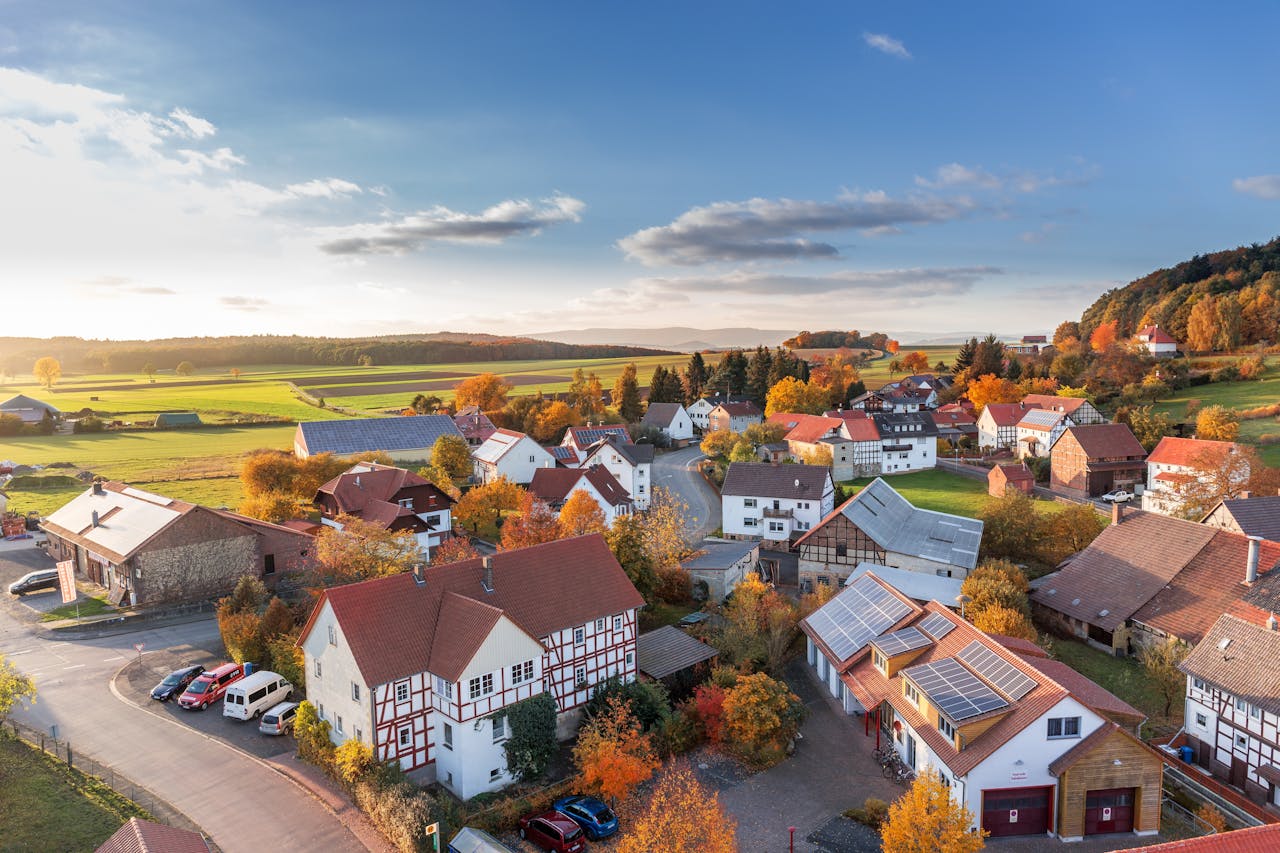
Neighborhood disputes can start small. A barking dog, a fence an inch too far, or a tree dropping leaves on the wrong side. But sometimes, these issues grow. They can turn into full court hearings, costing time, money, and peace of mind. If you own a home or rent in a close-knit area, you might face one of these problems. Knowing how these disputes escalate can help you avoid the same fate. Here are ten real-life neighborhood disputes that ended up in court, with practical advice for each.
1. Property Line Battles
Property lines are a common source of conflict. One neighbor builds a shed or plants a hedge, and the other claims it’s on their land. These arguments can get heated fast. When talks break down, people often call in surveyors. If that doesn’t solve it, the next step is the court. To avoid this, always check your property survey before making changes. If you’re unsure, talk to your neighbor first. Clear communication can save you from a legal headache.
2. Noise Complaints Gone Wild
Noise is a top reason neighbors end up in court. Loud music, barking dogs, or late-night parties can push people over the edge. Some cities have noise ordinances, but not everyone follows them. If you’ve tried talking and nothing changes, you might file a complaint. Sometimes, these cases go to court, especially if the noise is constant. The best way to handle this is to document the noise. Keep a log and record audio if possible. This evidence can help if you need to take legal action.
3. Fence Fights
Fences are supposed to keep the peace, but they often do the opposite. Disputes can start over who pays for repairs, the fence’s height, or its location. Some neighbors build without asking, which can lead to lawsuits. Before building or fixing a fence, check local rules. Talk to your neighbor and get any agreement in writing. This can prevent misunderstandings and expensive court battles.
4. Tree Trouble
Trees can cause big problems between neighbors. Branches hanging over a fence, roots damaging driveways, or falling leaves can all spark arguments. In some cases, people cut branches without permission, leading to lawsuits. The law usually says you can trim branches that cross your property line, but you can’t harm the tree. If you’re not sure, ask a local arborist or check your city’s rules.
5. Shared Driveway Disputes
Shared driveways sound simple, but they can get complicated. Arguments often start over parking, maintenance, or snow removal. If one neighbor blocks the driveway or refuses to help with repairs, things can escalate. Many shared driveways have written agreements. If you don’t have one, consider making one. It should cover who pays for what and how to handle problems. This can keep you out of court.
6. Water Runoff Wars
Water runoff can damage property and cause mold or flooding. If your neighbor’s landscaping sends water your way, you might end up in court. These cases can be hard to prove. You’ll need evidence that the runoff is new and caused by your neighbor’s actions. Photos, videos, and expert opinions can help. If you notice a problem, talk to your neighbor first. Sometimes, a simple fix can solve it.
7. Pet Problems
Pets are part of the family, but they can cause trouble. Dogs that bark all day, cats that use gardens as litter boxes, or animals that bite can all lead to legal action. If you have a problem with a neighbor’s pet, try talking first. If that doesn’t work, check local animal control laws. Document the issue and, if needed, file a complaint. Courts often require proof, so keep records.
8. Home Business Headaches
Running a business from home can upset neighbors. Extra traffic, deliveries, or noise can lead to complaints. Some neighborhoods have rules about home businesses. If you’re thinking of starting one, check your local zoning laws. If your neighbor’s business is causing problems, document the impact. Try to resolve it directly before going to court.
9. Parking Problems
Parking is a big issue in crowded neighborhoods. Arguments can start over street parking, blocked driveways, or guests taking up spaces. Some people put up fake “no parking” signs or cones, which can make things worse. If you have a parking dispute, check your city’s rules. Sometimes, the city can help. If not, you may need to go to court, especially if someone is blocking access to your property.
10. Harassment and Intimidation
Sometimes, disputes go beyond property or noise. Harassment, threats, or stalking can make people feel unsafe. These cases often end up in court, with restraining orders or other legal actions. If you feel threatened, document everything. Call the police if needed. Your safety comes first. Courts take these cases seriously, especially if there’s evidence of ongoing harassment.
Keeping the Peace: What These Cases Teach Us
Neighborhood disputes can get out of hand fast. The main lesson is to communicate early and clearly. Most problems start small. If you talk things out, you can often avoid court. But if you need to take legal action, be ready with evidence and know your rights. Understanding common neighborhood disputes helps you protect your home and your peace of mind. The best neighborhoods are built on respect and clear boundaries.
Have you ever had a neighborhood dispute that got out of control? Share your story or advice in the comments.
Read More
Why Your Homemade Cleaning Spray Might Be Destroying Your Air Quality
Why You Should Be Terrified of What’s in Your Tap Water
Related Posts
-

I walked through the door of the electronics super store with the ticket I was…
-

From Clever Dude: while I could be the one who buys groceries, Clever Dudette does…
-

Are you new to stock trading? Then here is a list of well-known novice mistakes…
-

When you think of the trunk of a car, you consider how much storage there…
-

Relationships are messy, emotional, and full of good intentions that sometimes backfire. When things get…
-

A clothes dryer should quietly handle laundry duty without drama. Yet inside many homes, a…
