
10 Car Care Mistakes That Can Destroy Your Vehicle Faster Than You Think
A car can quietly rack up thousands of dollars in damage long before anything feels “wrong” behind the wheel. Small habits—skipped maintenance, ignored sounds, quick shortcuts—chip away at performance and lifespan until one day the repair bill lands with a thud. Drivers who treat their vehicles like long-term investments avoid that painful surprise and keep more money in their pockets.
Smart car care doesn’t require expert-level skills, but it does demand consistency and attention to detail. These common mistakes may seem harmless in the moment, yet they can destroy a vehicle faster than most people expect.
1. Ignoring Regular Oil Changes
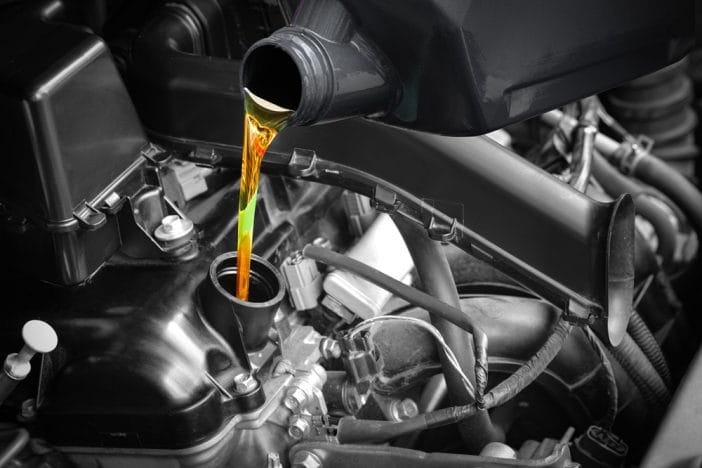
Engine oil acts as the lifeblood of any vehicle, keeping internal components lubricated and cool under intense pressure. Skipping oil changes allows sludge to build up, which increases friction and accelerates engine wear. Many modern engines require oil changes every 5,000 to 7,500 miles, yet plenty of drivers push far beyond that limit.
A neglected engine often develops costly issues like overheating or complete failure, which can cost thousands to repair or replace. Staying on schedule with oil changes protects performance, improves fuel efficiency, and extends the life of the engine dramatically.
2. Letting Tire Pressure Slide
Tires lose air naturally over time, but ignoring pressure checks creates serious safety and performance problems. Underinflated tires wear unevenly, reduce fuel efficiency, and increase the risk of blowouts at highway speeds. Overinflated tires create a rough ride and reduce traction, especially in wet conditions. Checking tire pressure once a month takes just a few minutes but prevents long-term damage and expensive replacements. Properly inflated tires improve handling, braking, and overall driving confidence in every situation.
3. Skipping Routine Brake Inspections
Brake pads and rotors wear down gradually, which makes it easy to overlook early warning signs. Squeaking, grinding, or reduced stopping power signals trouble that requires immediate attention. Ignoring these signs forces the braking system to work harder, which damages more expensive components like rotors and calipers. Routine inspections catch problems early and keep repair costs manageable. Strong, responsive brakes protect both the vehicle and everyone on the road.
4. Driving With Low Fluids
Vehicles rely on multiple fluids beyond engine oil, including coolant, transmission fluid, and brake fluid. Low fluid levels create heat, friction, and internal damage that builds quickly under normal driving conditions. Coolant prevents overheating, while transmission fluid ensures smooth gear changes and protects internal parts. Neglecting fluid levels often leads to breakdowns that could have been avoided with a simple check. Regularly topping off and replacing fluids keeps every system running smoothly and efficiently.
5. Ignoring Warning Lights
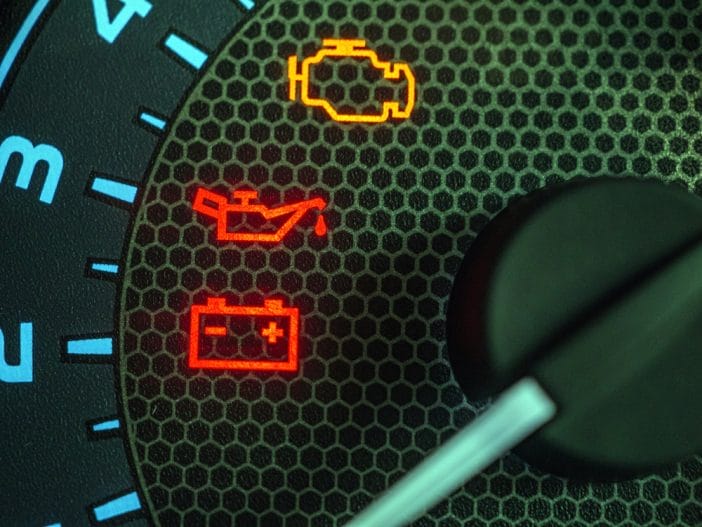
Dashboard warning lights exist for a reason, yet many drivers treat them like minor annoyances instead of urgent alerts. A check engine light can signal anything from a loose gas cap to a serious engine issue. Delaying diagnostics allows small problems to escalate into major repairs that cost far more.
Modern vehicles provide early warnings designed to protect the engine and other systems. Addressing warning lights immediately saves money and prevents long-term damage.
6. Using Cheap or Incorrect Parts
Budget parts may seem like a smart way to save money, but they often fail faster and perform poorly. Incorrect parts can also cause compatibility issues that lead to further damage. High-quality components meet manufacturer specifications and ensure reliable performance over time. Investing in the right parts reduces the risk of repeated repairs and unexpected breakdowns. Smart spending upfront prevents much larger expenses down the road.
7. Neglecting the Air Filter
The engine air filter keeps dirt, debris, and contaminants out of the engine. A clogged filter restricts airflow, which reduces engine efficiency and increases fuel consumption. Drivers may notice sluggish acceleration or reduced power when the filter becomes too dirty. Replacing an air filter costs very little but delivers noticeable improvements in performance. Clean airflow helps the engine run smoothly and last longer.
8. Riding the Brakes
Constantly pressing the brake pedal, especially on downhill drives, generates excessive heat in the braking system. This habit wears down brake pads quickly and can warp rotors over time. Drivers who rely on braking instead of engine control often face more frequent and expensive repairs. Downshifting or easing off the accelerator reduces strain on the brakes. Smart driving habits protect critical components and improve overall vehicle longevity.
9. Overloading the Vehicle
Every vehicle comes with a maximum weight capacity, yet many drivers ignore that limit. Carrying excessive weight strains the suspension, brakes, and engine, leading to faster wear and potential failure. Overloading also reduces fuel efficiency and affects handling, making the vehicle harder to control. Long road trips with packed trunks or heavy cargo can quietly cause lasting damage. Respecting weight limits keeps the vehicle balanced, safe, and efficient.
10. Skipping Regular Maintenance Schedules
Manufacturers design maintenance schedules to prevent problems before they start. Ignoring these schedules allows small issues to develop into serious mechanical failures. Regular tune-ups, inspections, and part replacements keep every system functioning at its best. Drivers who follow maintenance plans often enjoy longer vehicle lifespans and fewer unexpected repairs. Consistency remains the most powerful tool in protecting a vehicle from premature damage.
Small Habits, Big Consequences
Car care mistakes rarely cause instant breakdowns, which makes them easy to ignore in daily life. Over time, those small missteps stack up and create major mechanical problems that drain time and money. Drivers who stay proactive with maintenance, pay attention to warning signs, and adopt smarter habits protect their vehicles from unnecessary damage. A well-maintained car delivers better performance, improved safety, and greater reliability for years. Smart choices today prevent costly headaches tomorrow and keep every mile running smoothly.
Which of these car care mistakes has caused the biggest headache—or which one will you fix first? Share your thoughts below.
You May Also Like…
Smart Automotive Choices That Can Lower Your Long-Term Vehicle Costs
10 Car Care Tasks Every Man Should Learn Before It’s Too Late
Why Some Cars Are Getting Harder to Repair—Even for Experienced Mechanics
More Cars Are Being Targeted in Parking Lots—And It’s Not for the Reason You Think
These Everyday Driving Habits Are Quietly Destroying Cars Before Dash Warnings
Related Posts
-

For years, the cultural script for young men was all about chasing adrenaline. Most of…
-

It's always necessary to ensure your home is well-protected and maintained. This maintains its structural…
-

If you think buying a luxury car is expensive, wait until you try to insure…
-

When you’re investing in a luxury vehicle, reliability isn’t just a nice-to-have. It’s essential. BMW…
-

Looking good isn’t just about what you wear or how much you spend. Sometimes, small…
-

For generations, men have often been taught to suppress their emotions, viewing them as a…
