
Why Thousands Are Disconnecting Their Ring Cameras (And What They Know That You Don’t)
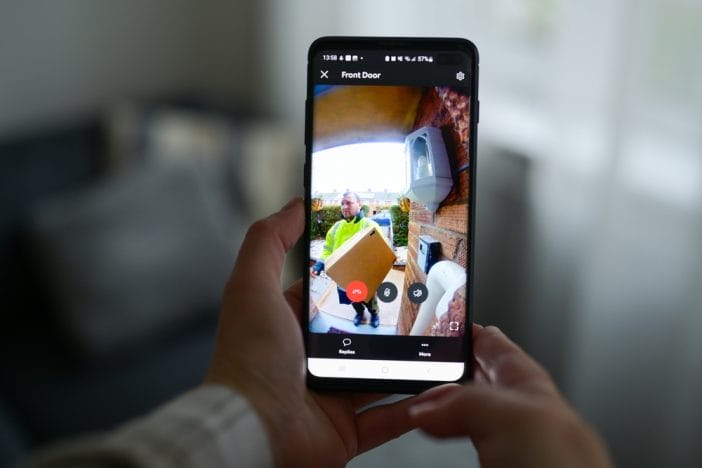
Ring’s Super Bowl ad may have backfired a little bit. It boasted that Ring cameras could provide surveillance for the neighborhood, tracking your lost pup. While some people may find this comforting, others were shocked to find out that Ring was rolling out its “Search Party” feature over the last 90 days or so. This ad came at a time when many Americans are worried about privacy. Flock traffic cameras and license plate readers are everywhere. Facial recognition systems are being used by immigration enforcers. And now, even your front doorbell camera is being tapped into. Although the company has assured users that its network is purely voluntary and secured against hackers, that hasn’t stopped people from disconnecting Ring cameras across the country.
Here are seven reasons why thousands are unplugging now… beyond the Super Bowl ad.
1. Concerns About Who Can Access the Footage
Many homeowners are disconnecting Ring cameras because they’re worried about who can see their recordings. While Ring has privacy settings, some users feel uneasy about the possibility of third-party access. Stories about law enforcement partnerships and data requests have made people question how private their footage really is. Even if nothing “bad” is happening, the idea of someone else reviewing your front porch activity can feel intrusive. For privacy-focused homeowners, this alone is enough to pull the plug.
2. Fear of Hacking and Unauthorized Access
Smart devices are convenient, but they also create digital entry points into your home. Some users are hearing about hackers gaining access to cameras or accounts, and that has them unplugging. Even though many of these incidents involve weak passwords or reused login credentials, the fear is real. People don’t want strangers watching their homes or speaking through two-way audio features. For those who prioritize digital safety, the risk feels too high.
3. Rising Subscription Costs and Paywalls
Ring used to offer more free features, but over time, more functions have moved behind paid subscriptions. This shift has frustrated many homeowners who feel like they’re paying more for the same level of security. The reason they are unplugging is simple: they don’t want another monthly bill. Others feel the value no longer matches the cost, especially when cheaper alternatives exist. When budgets tighten, subscription-based devices are often the first to go.
4. Concerns About Data Collection and Tracking
Smart home devices collect data, sometimes more than people realize. Some homeowners are disconnecting Ring cameras because they’re uncomfortable with how much information the system gathers. This includes motion patterns, device usage, and even metadata about your daily routines. While companies say this data improves performance, not everyone wants their habits analyzed. For privacy-minded users, the trade-off doesn’t feel worth it.
5. False Alarms and Constant Notifications
Ring cameras are designed to alert you to activity, but sometimes they alert you to everything. From passing cars to blowing leaves, the constant notifications can become overwhelming. Some people are tired of the nonstop pings and false alarms. Even with sensitivity adjustments, the alerts can feel more stressful than helpful. When a security device becomes a source of annoyance, people start looking for alternatives.
6. Neighborhood Tension and Social Pressure
Not everyone loves being recorded, and some neighborhoods have strong opinions about doorbell cameras. Homeowners have reported conflicts with neighbors who feel uncomfortable being filmed while walking past. This tension has led some people to disconnect to keep the peace. Others worry about being seen as overly suspicious or invasive. When a device creates more drama than security, it loses its appeal.
7. Concerns About Liability and Legal Issues
Few homeowners realize that owning a camera can come with legal responsibilities. In some areas, recording audio without consent can create legal complications. This has led some people to start disconnecting Ring cameras to avoid potential liability. Others worry about what happens if their footage captures an incident they become involved in. The legal gray areas make some homeowners feel safer without the device.
What This Trend Means for Home Security Going Forward
The rise in homeowners disconnecting Ring cameras doesn’t mean people are giving up on security; it means they’re becoming more selective. As privacy concerns grow and subscription models expand, users are rethinking what they want from smart home devices. Some are switching to systems that store footage locally instead of in the cloud. Others are choosing simpler, non-connected options that don’t collect data at all. The shift shows that people want control, transparency, and security without hidden trade-offs.
Are you thinking about disconnecting your Ring camera or sticking with it? Share your thoughts in the comments.
What to Read Next
How Security Cameras in Cars Are Creating Legal Complications
Caught on Camera: Are Dashcams Making Roads Safer or Just More Litigious?
Here’s Why You Shouldn’t Always Trust Your Backup Camera
What Happens in Locker Rooms With No Cameras: Former Officials Speak Out
Burglars Admit These 6 ‘Security Tricks’ Don’t Fool Them at All
