
Why Some Men Never Replace Friendships After Divorce
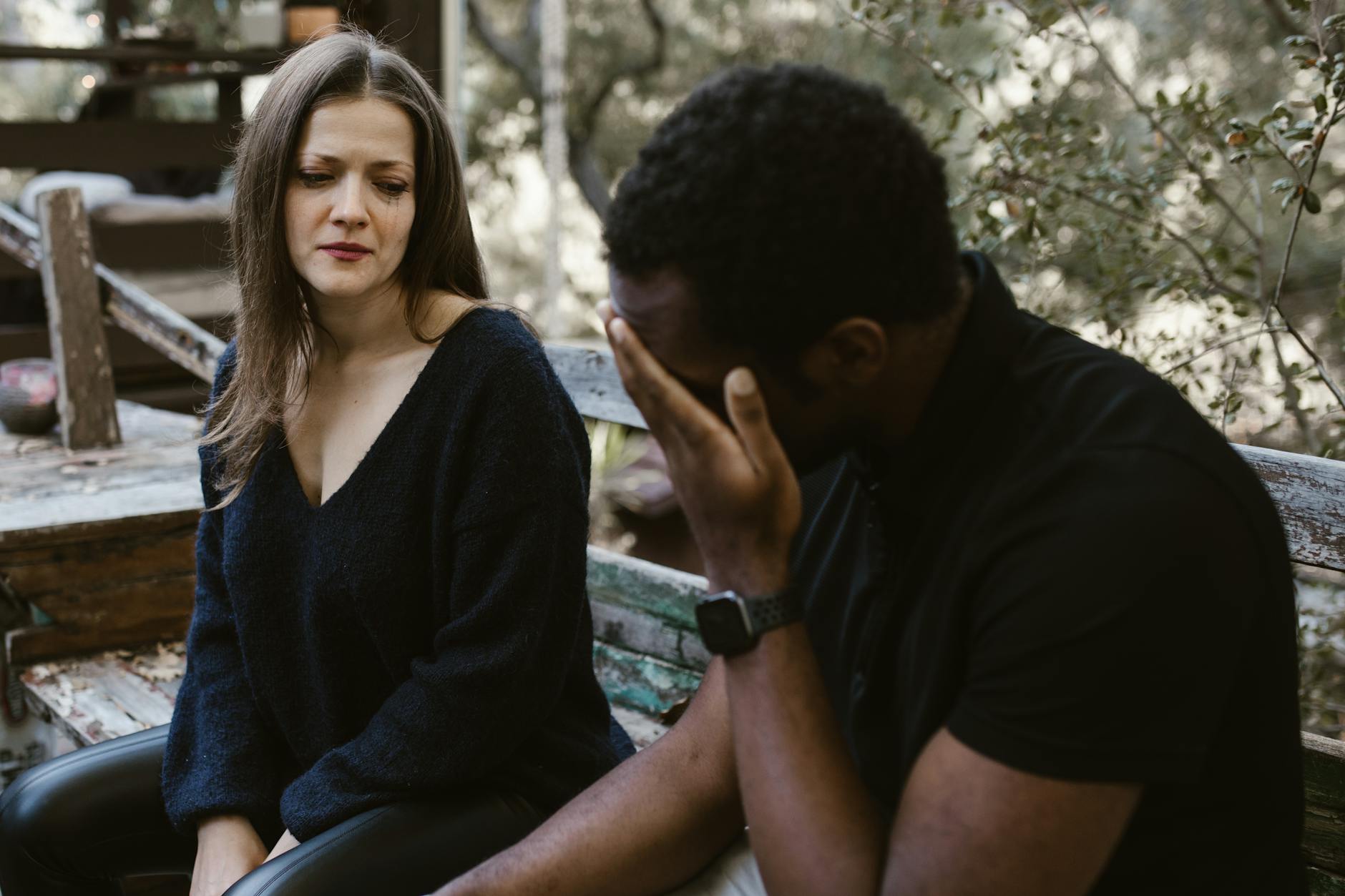
Divorce is a major life change, and it often impacts much more than family structure or finances. One area that can take a surprising hit is a man’s social life. Many men never replace friendships after divorce, leading to increased feelings of isolation and loneliness. This matters because strong social connections are linked to better mental and physical health. Understanding why some men lose touch with friends—and don’t rebuild those bonds—can help men and their loved ones take steps to reconnect and heal. It also highlights the hidden costs of divorce that go beyond the legal and emotional fallout.
1. Friendships Were Tied to the Marriage
For many men, their closest friends are other couples they met through their spouse or during family activities. After a divorce, these friendships can become awkward or dissolve entirely. Friends may feel forced to choose sides, or the dynamics may shift so much that hanging out just doesn’t feel the same. This loss can be especially tough if a man’s social circle was built almost entirely around the marriage.
When friendships are so closely tied to a former partner, starting over feels daunting. Some men may not know how to approach these friends independently, or they fear rejection if they try. This leaves them isolated and less likely to seek out new connections.
2. Social Skills Get Rusty
It’s common for men to focus on work and family during marriage, letting casual friendships fade over time. After a divorce, the prospect of making new friends can feel intimidating. Social skills that once came naturally may now seem out of practice.
This is especially true for men who have been married for many years. They may struggle with small talk or feel unsure about how to approach potential friends. The comfort zone of family life is gone, and rebuilding a social network from scratch is a challenge that many men feel unprepared to tackle.
3. Emotional Vulnerability Feels Risky
One of the reasons many men never replace friendships after divorce is discomfort with emotional vulnerability. Close friendships require opening up, sharing struggles, and sometimes asking for support. But men are often socialized to be self-reliant and stoic, making it hard to admit they need companionship or emotional help.
Even reaching out to old friends can feel like admitting failure or weakness. This reluctance to be vulnerable leads some men to avoid social situations altogether, creating a cycle of loneliness that is hard to break.
4. Priorities Shift After Divorce
After a divorce, men may shift their focus to rebuilding their lives in other ways—such as advancing their careers, caring for children, or managing finances. Building new friendships can fall to the bottom of the priority list.
With so much energy spent on personal recovery and practical matters, it’s easy to let social needs slide. Some men may not even realize how isolated they’ve become until much later. By then, the habit of being alone can feel too comfortable to change.
5. Lack of Opportunities or Support
Men may find it harder to meet new people after divorce, especially if they move to a new area or lose touch with shared social groups. Unlike women, who are often encouraged to seek out support networks, men may not have the same social structures in place.
Community and support groups exist, but joining can feel intimidating. Some men may not know where to look or may worry about stigma.
6. Fear of Judgment or Gossip
For some men, the fear of being judged for their divorce keeps them from reaching out. They may worry that friends will gossip or see them differently. This is especially true in smaller communities or tight-knit circles.
This fear can lead men to withdraw even further. Instead of risking embarrassment or awkward questions, they keep to themselves. Over time, this becomes a habit that is hard to break, making it even less likely that they will replace friendships after divorce.
Building Connections Is Possible
Even though many men never replace friendships after divorce, it doesn’t have to stay that way. Recognizing the barriers is the first step toward change. Making new friends as an adult isn’t easy, but it is possible. It might mean stepping outside your comfort zone, reaching out to old acquaintances, or joining a new group or class.
Replacing friendships after divorce takes time and effort, but the benefits are worth it. Strong social connections can improve mental health, reduce stress, and help men feel less alone during a challenging chapter of life. If you’re struggling, consider setting small goals—like sending a message to an old friend or attending a community event. Each step, no matter how small, can help rebuild your support network.
What challenges have you faced in making or keeping friendships after divorce? Share your thoughts in the comments below.
