
Why Some Americans Are Removing Smart Devices From Their Homes Completely
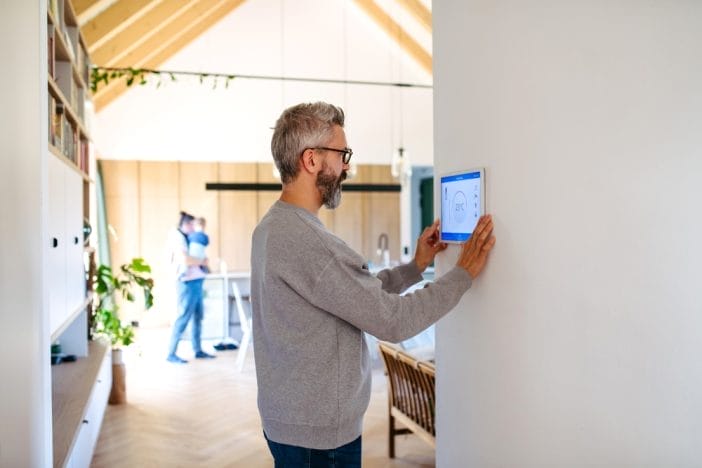
The smartest home on the block suddenly feels like the most crowded one. Devices blink, listen, update, and respond, all while quietly collecting information in the background. That futuristic convenience once felt exciting, but now it raises a different kind of question: who else sits in that room without being seen?
A growing number of households have started pulling the plug, literally. Smart speakers disappear from kitchen counters, cameras come down from door frames, and voice assistants lose their place in daily routines. This shift does not come from panic or trend-chasing. It comes from a steady realization that convenience always carries a cost, and that cost no longer feels worth it for everyone.
When Convenience Starts Feeling Like Surveillance
Smart devices thrive on data, and they require constant streams of it to function well. Voice assistants listen for wake words, smart thermostats track daily routines, and security cameras monitor activity in and around the home. Each device performs its job efficiently, but together they create a detailed picture of daily life that many people never expected to share. That realization has pushed privacy concerns into the spotlight. Companies that build these devices often store and analyze user data to improve performance, but that process does not always feel transparent. Reports over the years have revealed that some voice recordings get reviewed by human workers to improve accuracy, which adds another layer of discomfort for those who assumed interactions stayed entirely automated.
Security risks also add pressure to the situation. Hackers have targeted poorly secured devices, gaining access to cameras or networks through weak passwords or outdated software. While manufacturers continue improving protections, the idea that a connected device could become an entry point into a home makes some people rethink the entire setup.
Removing devices becomes a way to regain control. Instead of adjusting settings, reading privacy policies, or managing updates, some households choose a simpler route. They unplug the system entirely and return to tools that do not collect or transmit personal data.
The Hidden Cost of “Always On” Living
Smart devices promise ease, but they also create a sense of constant connection that never really shuts off. Notifications arrive at all hours, updates interrupt routines, and devices demand attention in subtle but persistent ways. That environment can feel less like convenience and more like background noise that never quiets down. Mental fatigue plays a role here. Managing multiple devices, apps, and settings takes effort, even when each task seems small on its own. Over time, that effort builds into a digital workload that people did not sign up for when they bought a smart speaker or connected light bulb.
Energy consumption adds another layer to the conversation. Many smart devices remain active around the clock, even when no one uses them directly. That constant activity can increase electricity usage, which raises both environmental and financial concerns for households trying to cut back.
Some people respond by simplifying their environment. They swap smart bulbs for traditional ones, replace app-controlled appliances with manual versions, and reduce the number of connected devices in the home. That shift often brings a sense of calm that feels surprisingly refreshing.
When Smart Tech Stops Feeling So Smart
Technology works best when it fades into the background, but smart devices sometimes do the opposite. Connectivity issues, software bugs, and compatibility problems can turn simple tasks into frustrating experiences. A light that refuses to connect or a speaker that misinterprets commands can quickly lose its charm. Reliance on internet connectivity creates another weak point. When the connection drops, many smart devices lose functionality entirely. That dependence can feel inconvenient at best and disruptive at worst, especially during outages or service interruptions.
Updates also play a role in this shift. Devices require regular software updates to stay secure and functional, but those updates can change features, remove compatibility, or introduce new issues. Keeping everything running smoothly requires attention that not everyone wants to give.
Some households decide that traditional tools offer more reliability. A standard thermostat adjusts temperature without an app, and a basic lock secures a door without needing Wi-Fi. That reliability can outweigh the extra features that smart devices promise but do not always deliver consistently.
The Push Toward Simpler, More Intentional Living
Minimalism has gained traction in recent years, and technology fits right into that conversation. Many people want fewer distractions, fewer notifications, and fewer devices competing for attention. Smart technology, despite its benefits, can sometimes move in the opposite direction. Removing smart devices aligns with a broader desire for intentional living. Instead of automating every task, some households choose to engage more directly with their environment. Turning on a light switch or adjusting a thermostat manually becomes part of a slower, more deliberate routine.
This shift does not reject technology entirely. Instead, it focuses on using technology in ways that feel purposeful rather than overwhelming. A laptop or smartphone still plays a role, but the number of connected devices stays limited.
Suggestions for making this transition often start small. Removing one or two devices, disabling unnecessary notifications, or setting boundaries around usage can create noticeable changes. Those steps allow people to test what works without making drastic changes all at once.
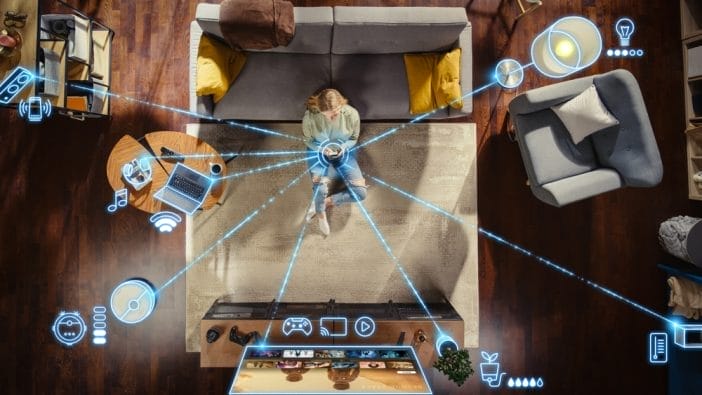
Privacy, Control, and the Future of Smart Homes
Smart home technology continues to evolve, and companies continue to address privacy and security concerns. Improved encryption, better user controls, and clearer policies aim to rebuild trust and keep users engaged. That effort shows that the industry recognizes the concerns driving this shift. At the same time, consumers now approach smart devices with more awareness. People ask more questions before bringing a device into their home, and they pay closer attention to how it collects and uses data. That awareness changes the relationship between users and technology.
Some households will continue embracing smart devices, especially as improvements make them more secure and user-friendly. Others will stick with simpler setups that prioritize control and privacy over convenience. Both approaches reflect a more thoughtful approach to technology than what existed in the early days of smart homes.
Anyone considering a change can start by reviewing current devices and asking a simple question: does this actually make life better, or does it just add another layer of complexity? That question often leads to clearer decisions about what stays and what goes.
Pulling the Plug or Powering Forward?
Smart homes promised a future filled with ease, efficiency, and seamless control, but reality has introduced a more complicated picture. Some households now see value in stepping back, reducing digital clutter, and reclaiming a sense of privacy and simplicity. That shift does not mean technology failed. It means expectations have changed, and people now want tools that serve them without creating new concerns. Finding the right balance between convenience and control has become the real goal.
Which devices actually earn their place at home, and which ones quietly take up more space than they deserve? Share which smart gadgets stayed, which ones got the boot, and what made that decision easy or difficult.
You May Also Like…
Stop Throwing Away Your Old Smartphones: 3 Surprising Ways Your 2020 Tech is More Useful Than Ever
Why Security Experts Say You Should Turn Off This Popular Smart Lock Feature
How Smart Drivers Save Money on Car Repairs and Maintenance
Home Inspectors Say This Popular Smart Home Device Is Now Classified as an Illegal Installation
