
Why Second (and Third) Marriages Work Better for Women Than Men
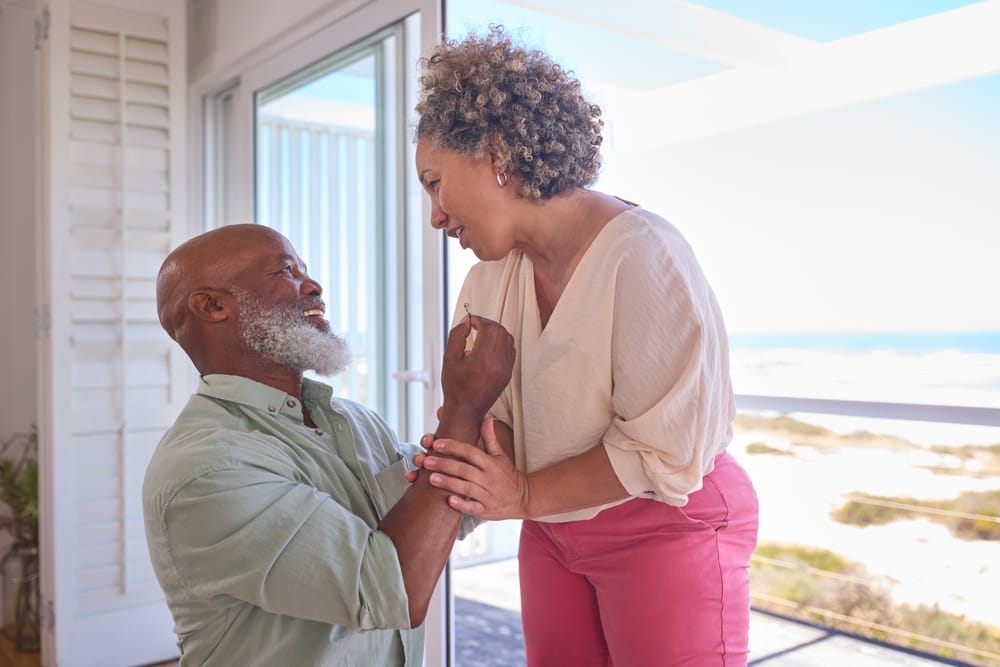
Remarriage isn’t just “round two” of a love story—it often comes with lessons hard-learned and expectations recalibrated. Many women find that their second (or third) marriages turn out stronger, more aligned, and more satisfying than their first—and often more so than for their male partners. Why does that disparity exist? The answer lies in how men and women change, how they heal, and what they bring into a new union. Here is a look at six reasons why second marriages tend to benefit women more than men.
1. Women Gain Clarity, Men Hold onto Legacy
After a failed marriage, many women emerge with clearer self-knowledge—they know what they want, what wounds to avoid, and what dysfunctional patterns to refuse. That clarity empowers them to choose more wisely, to refuse partners who mirror old mistakes, and to negotiate healthier boundaries. Men, however, may carry over the legacy of their first marriage—outdated habits, unacknowledged resentments, or unresolved conflicts—and expect things to be “fixed” without deep change. Without that kind of inner work, men may feel the strain of compromise more than women do. For many women, second marriages become a chance to live true to their evolved selves.
2. Emotional Resilience vs. Lingering Vulnerability
Women tend to process emotional pain more publicly—through conversations, therapy, or support networks—whereas men often internalize their hurt. That means by the time women enter a second marriage, they are emotionally more resilient, able to face conflict or disappointment without crumbling. Men may enter with hidden scars that haven’t healed, making them more vulnerable to triggers or pressure. In a new marriage, women’s emotional strength becomes an anchor; men may carry underlying fragility that limits openness. Over time, that asymmetry can tilt satisfaction levels in women’s favor.
3. Greater Appreciation of Partnership Roles
In a first marriage, many women are taught to take on emotional labor, caretaking, negotiation, and compromise without expecting a joint partnership. After a divorce, they often demand more balance, accountability, and shared responsibility in second marriages. When their new partner matches—whether by choice or by growth—the experience feels empowering and enriched. Men, however, might resist this shift, especially if their first marriage had traditional role expectations. That mismatch leads to frustration, as women expect partnership, and men may unconsciously revert to old default assumptions. The result: women often feel more fulfilled, while men feel pushed.
4. Less Tolerance for Red Flags
One key difference: women often learn to spot danger signals early and are less willing to ignore them the second time around. They may have experienced betrayal, gaslighting, or unmet needs, and they come back with sharper emotional radar. That means they can walk away sooner or set stronger boundaries if their partner misbehaves. Men, on the other hand, may reinterpret red flags as “issues to fix” or avoid conflict in hopes of peace. Over time, that dynamic favors women—they’re less likely to endure trouble silently. Their refusal to settle becomes a protective force.
5. Social Support and Community Validation
Women are more likely to lean on friends, family, or professional support systems during and after divorce. That social network bolsters their self-esteem, provides counsel, and helps them heal. When they enter a second marriage, they often carry a stronger support infrastructure and boundary framework. Men may receive encouragement to remarry quickly—or may feel pressure to seem stable again—without getting space to rebuild. The result is that women enter remarriage with more emotional backing; men may lack the same external scaffolding. That difference helps women thrive in their new unions.
6. The Joy of Having a “Second Chance” With Greater Freedom
For many women, second marriages represent a genuine new chapter—not just “redoing” what went wrong but rewriting it on their own terms. With fewer illusions, more self-trust, and a willingness to negotiate love rather than idealize it, they enter with freedom instead of fear. Men may view remarriage as “going back” or trying to recapture youth or success, which adds pressure and comparisons. Women’s mindset shift from rescue to co-creation often brings steadier satisfaction. In this way, second marriages become not just better but truer to who they now are.
Why Women Often “Win” in Remarriage
While second and third marriages carry a higher statistical risk overall, women often gain more in emotional growth, clarity, and relational fulfillment than their male partners. The mistakes men carry, the unhealed wounds, and the unchallenged role expectations often weigh on men more heavily. For women who enter remarriage having dealt with the past, risen above old fears, and built stronger boundaries, the new union is a platform for authenticity and depth. Though the path isn’t easy, the reward is a relationship shaped not by hope but by wisdom—and that tends to favor the ones who’ve learned most.
If you’ve experienced remarriage or know someone who has, what do you think helps women succeed more in round two? Share your insights or stories in the comments.
What to Read Next
- 6 Things Women Don’t Consider When Filing for Divorce That Come Back to Bite Them
- What Ended It All? 7 Divorced Men Share Their Final Straws
- Why Husbands Have More to Lose in Divorce: 15 Brutal Facts
- How Women Hide Dissatisfaction Until It Explodes in Divorce Court
- 11 Signs the Road to Divorce Has Already Begun
