
Why “Romance” Scams Peak During Valentine’s Week

Valentine’s Week isn’t just about roses, heart-shaped candy, and awkward dinner reservations—it’s also prime season for one of the most emotionally manipulative scams on the internet. While people are searching for connection, companionship, and maybe a little romance, an entire underground economy is working overtime to exploit those exact feelings.
Romance scams aren’t new, but their timing is strategic, their methods are evolving, and their emotional impact is often far more devastating than the financial loss alone. This centers on psychology, vulnerability, digital trust, and how human connection has become a commodity in the online world.
When Love Becomes a Marketplace
Various romance scams thrive during Valentine’s Week because emotions are already heightened. People are more open to connection, more willing to engage with strangers, and more likely to interpret attention as genuine interest instead of calculated manipulation. Scammers exploit this emotional openness by creating highly curated online personas designed to feel authentic, attentive, and emotionally available. These profiles often appear on dating apps, social media platforms, and even professional networking sites, which gives them a sense of legitimacy that lowers skepticism.
The structure of the scam is methodical, not rushed. The relationship is built slowly, with consistent communication, emotional intimacy, and personal storytelling. Victims aren’t pressured right away; they’re nurtured into trust. That’s what makes this form of fraud so effective—it doesn’t feel like a scam at first, it feels like a relationship. By the time money enters the picture, the emotional bond already feels real, which is why people often ignore red flags that would be obvious in any other situation.
The Psychology Behind Why It Works So Well
These scams succeed because they tap into universal human needs: connection, validation, belonging, and affection. When someone feels seen, heard, and emotionally valued, their defenses naturally lower. The scammer doesn’t need to be aggressive—they just need to be consistent, empathetic, and patient.
Valentine’s Week amplifies this effect because cultural messaging reinforces the idea that love is urgent and time-sensitive. There’s pressure to not be alone, to feel chosen, to feel connected. Scammers mirror and manipulate emotions, match communication styles, and adapt their personality to the victim’s preferences. This creates a psychological feedback loop where the victim feels understood in a way that feels rare and meaningful.
The Money Ask Doesn’t Start With Money
One of the most misunderstood parts of romance scams is how financial exploitation actually begins. It rarely starts with a direct request for cash. Instead, it begins with a story. A medical emergency. A business deal gone wrong. A travel issue. A frozen account. A sudden crisis that creates urgency and emotional pressure without sounding like a transaction.
By the time money is mentioned, the relationship already feels established. Victims don’t feel like they’re being scammed—they feel like they’re helping someone they care about. Payments often start small, which builds psychological momentum and trust. Then, the requests grow larger, more frequent, and more complex, sometimes involving cryptocurrency, wire transfers, or gift cards to avoid traceability.
This is what makes romance scams uniquely damaging: the victim often feels complicit in the process, which creates shame and silence. Many people don’t report the crime because they feel embarrassed, which allows the cycle to continue unchecked.
Red Flags That Actually Matter
Not all warning signs are obvious, but patterns do exist. Scammers often avoid video calls or in-person meetings, despite long periods of communication. They may claim to work overseas, in the military, on oil rigs, or in remote locations that conveniently prevent physical contact. Their stories may be detailed but vague in ways that can’t be verified.
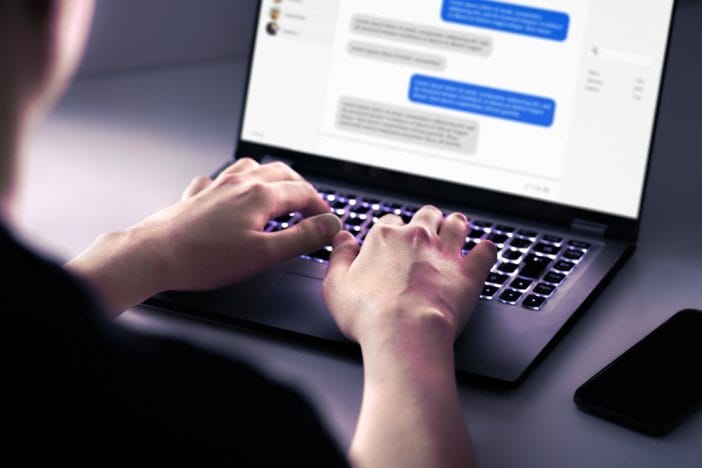
Another major red flag is emotional acceleration. If someone becomes intensely attached very quickly, uses language about destiny or lifelong commitment early on, or frames the relationship as uniquely special in an unusually short time, that’s a manipulation strategy. Real relationships build gradually, with shared experiences and mutual presence, not just constant messaging.
How You Can Actually Protect Yourself and Your Heart
Protection is about awareness and boundaries. Verifying identities, refusing financial involvement with online-only relationships, and maintaining emotional perspective are simple but powerful defenses. Never sending money, financial information, or personal documents to someone you haven’t met in real life is a non-negotiable rule, no matter how convincing the story feels.
It also helps to talk about online relationships with trusted friends or family. Outside perspective often catches patterns that are invisible when you’re emotionally involved. Scammers rely on isolation as much as trust, so keeping conversations public and grounded in reality is a protective strategy.
Love Shouldn’t Cost You Your Stability
The romance scam doesn’t just steal money—it steals time, emotional energy, trust, and confidence. It leaves people questioning their judgment, their instincts, and their ability to connect. But awareness flips the power dynamic. When people understand the structure, the psychology, and the tactics, the scam loses its effectiveness.
Valentine’s Week should be about connection, joy, and meaningful relationships—not emotional exploitation disguised as affection.
What signs do you think people overlook the most when it comes to romance scams? Have you heard horror stories about romance scams this time of year? Let’s talk about it in our comments section.
You May Also Like…
Scammers Are Copying Your Bank’s Fraud Alerts — Here’s How to Spot the Fake
Why Men Are the Fastest Growing Victims of Phone Scams
The “Identity Theft” Risk That Peaks Between February and April
The “Valentine’s Debt” That Takes the Average Man Years to Pay Off
