
Why Men’s Bones Are Breaking at Younger Ages Than Ever Before
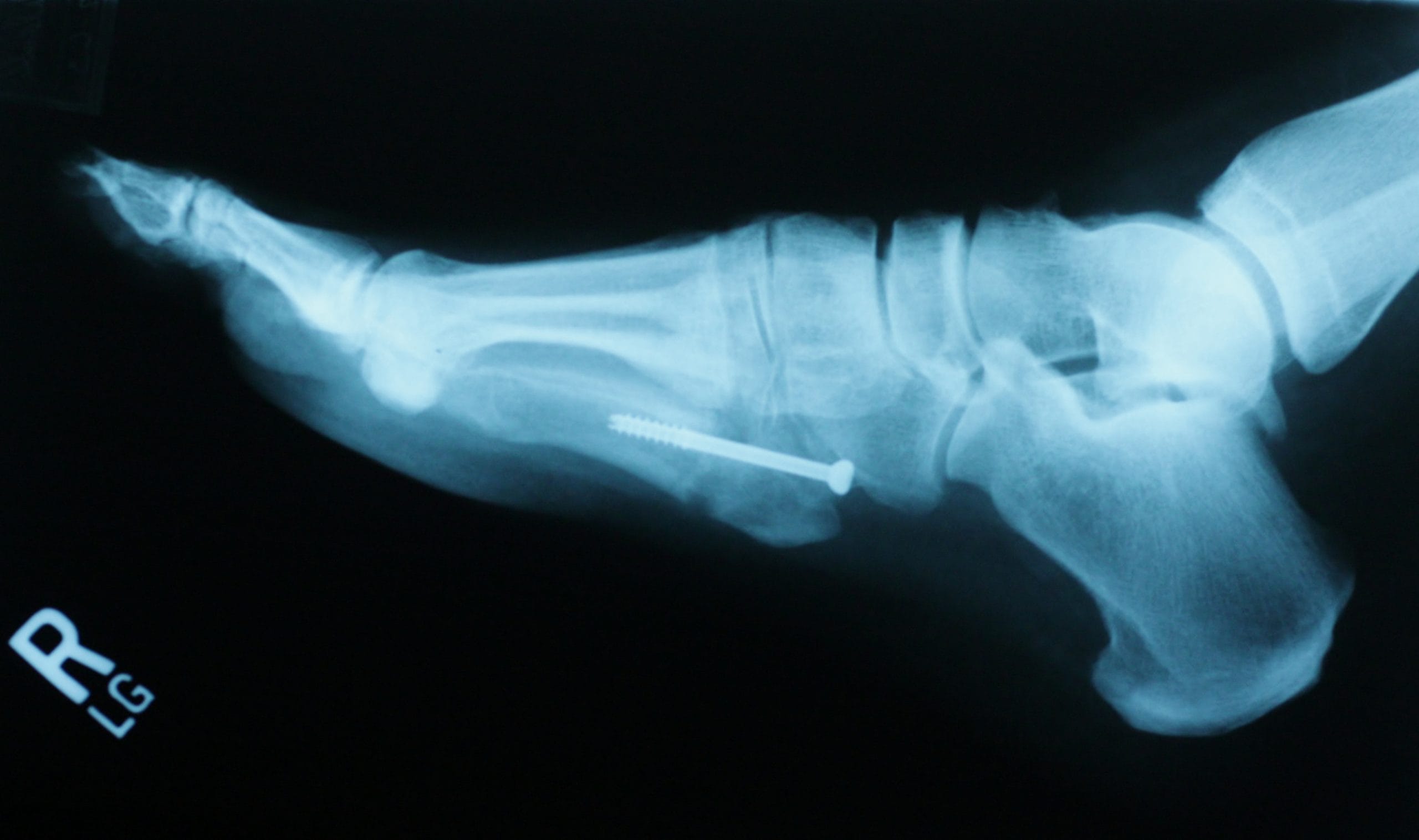
You might assume that brittle bones are only an issue for elderly women, but recent data tells a different story. Men today are experiencing fractures, breaks, and bone injuries much earlier than past generations, and often with little warning. If you care about staying strong, avoiding injury, and aging well, this article shows the top reasons behind early bone fractures in men and what to do about it.
Low Bone Mineral Density & Peak Bone Mass Not Reached
One of the key factors is men not achieving a strong peak bone mass in early adulthood, which leaves less “reserve” as bones naturally deteriorate. Peak bone mass typically develops by around age 30; afterward, bone mineral density (BMD) gradually declines. New studies show that a surprisingly large percentage of men between the ages of 35-50 already have osteopenia, which is weaker than normal bone strength, though not yet osteoporosis. When peak mass is lower from the start (due to genetics, nutrition, or poor activity), even small losses cause fractures earlier. Getting sufficient calcium, vitamin D, and weight-bearing exercise early is essential to building a solid foundation.
Hormonal Changes: Testosterone, Growth Factors, and Aging
Hormones play a central role in bone strength. In men, testosterone helps regulate bone remodeling (the cycle of breaking down old bone and building new), and when testosterone declines, whether gradually with age or suddenly from illness or medication, bone weakening accelerates. Also, other hormonal issues (thyroid, parathyroid, cortisol) or low growth factors can disrupt normal bone maintenance. Many men don’t notice symptoms early, so they don’t realize their bones are vulnerable. Being aware of hormone levels (and any medications that might affect them) can help delay or reduce early bone damage.
Lifestyle Factors: Inactivity, Poor Nutrition, Smoking & Alcohol
Modern lifestyles often work against bone health. Too many men have sedentary jobs and spend leisure time without enough weight-bearing or resistance exercise, which bones need to stay strong. Diets low in calcium, vitamin D, or protein also undercut bone strength and increase the risk of early fractures. Smoking, heavy alcohol use, and certain drugs weaken bones or interfere with repair mechanisms. The combined effect of poor diet, inactivity, and unhealthy habits can make bones age faster and break sooner than expected.
Medical Conditions and Medications That Accelerate Bone Loss
It’s not just what you do, but what your body is doing (or being treated for). Chronic diseases like diabetes, kidney disease, gastrointestinal problems (which affect nutrient absorption), or autoimmune illnesses can accelerate bone loss. Some medications – glucocorticoids (steroids), certain anti-seizure drugs, or treatments for prostate cancer – have side effects that weaken bones. Low testosterone (hypogonadism) is especially relevant, but often underdiagnosed in men. Many men aren’t routinely screened for these risks, so by the time a fracture happens, the damage is already substantial.
Under-Diagnosis, Under-Screening & Lack of Awareness
Even though bone health is critically important, many men and even healthcare providers overlook early warning signs. Surveys report that only a tiny fraction of men are concerned about bone density, and often screening is delayed until after fractures occur. Because osteoporosis is often perceived as a woman’s disease, men are less likely to have bone density scans (DEXA), and osteoporosis treatments are prescribed less frequently. After a hip or spine fracture, men face higher rates of complications and mortality. Raising awareness, requesting screenings if you have risk factors, and discussing bone health openly with your doctor are powerful preventive steps.
Environmental & Societal Changes Amplifying Risk in Younger Generations
Today’s environment includes factors that didn’t affect past generations as heavily. For example, more time indoors (less sun exposure) means less vitamin D, which is critical for calcium absorption and bone strength. Diets are more processed, with sometimes lower calcium or other bone-supporting nutrients. Also, sports or fitness trends that favor low-impact or non-weight-bearing activity (e.g., cycling, swimming) over resistance or weight-bearing exercise can leave gaps in bone building. Obesity and higher body fat can also affect bone turnover and hormone balance negatively. Societal stressors, sleep deprivation, and environmental toxins may play subtler roles yet add up over time.
Preventive Tactics for Strong Bones Before It’s Too Late
Understanding the many reasons why men are breaking bones younger gives you a roadmap to protect yourself. Start early: assess your family history, hormones, lifestyle, and diet to catch red flags before a fracture. Build toward strong bones by including weight-bearing and resistance exercises (e.g. walking, lifting weights, hiking) in your routine, ensure adequate intake of calcium and vitamin D, quit or cut down on smoking and excessive alcohol, and avoid prolonged use of bone-weakening medications unless absolutely necessary. Also, talk to your doctor about bone density screening if you have risk factors, like past fractures, low body weight, chronic disease, or medications that harm bone strength. Early detection, prevention, and consistent healthy habits can help you maintain bone strength, avoid painful breaks, and preserve independence as you age.
Has anyone you know broken a bone earlier than expected? What changes have you made (or plan to make) to guard your bones against early fractures? Share your story below.
