
Why Long Commutes Are Quietly Shortening Men’s Lifespans
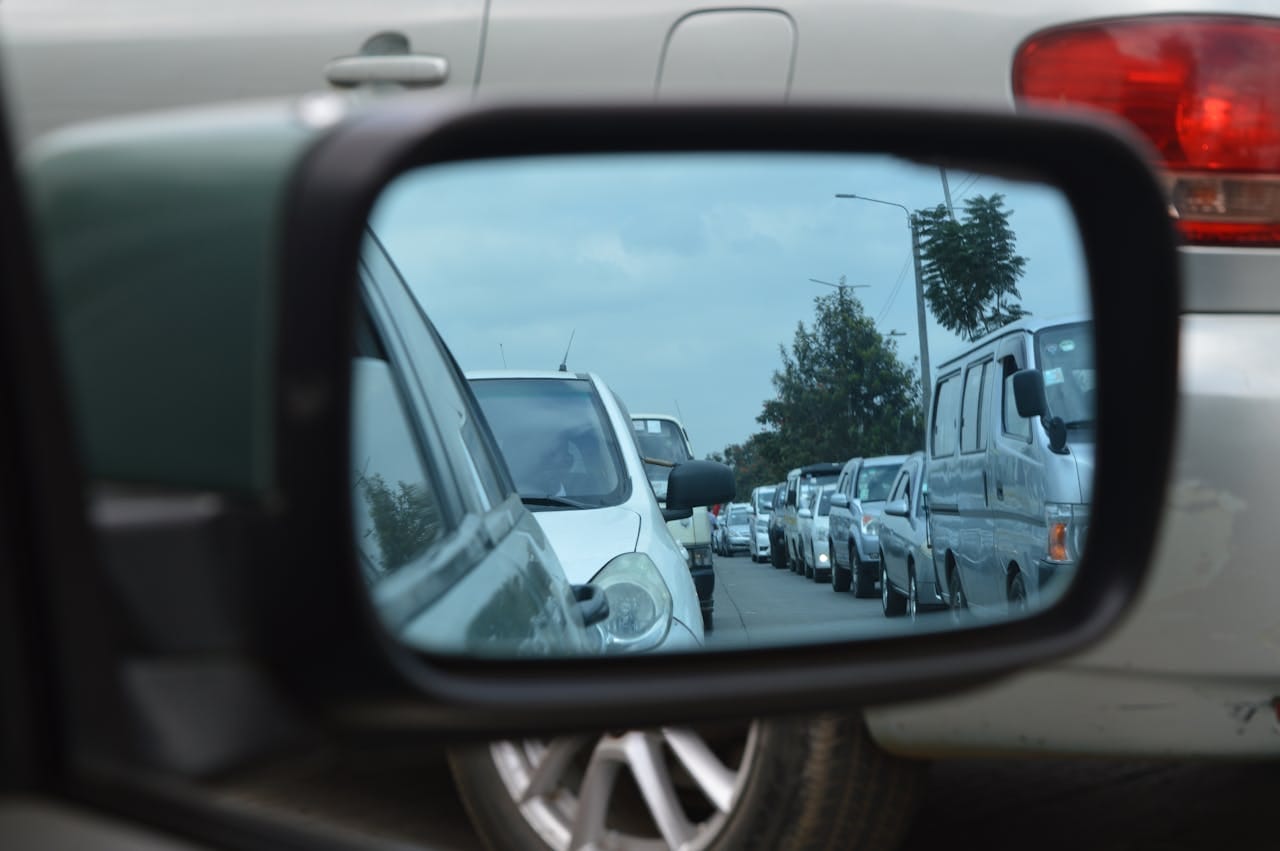
For many men, getting to work means spending an hour or more in the car, on a train, or stuck in traffic. Long commutes are often seen as a necessary trade-off for a better job or affordable housing. But there’s a hidden cost that goes beyond lost time. Studies show that long commutes are quietly shortening men’s lifespans, affecting both physical and mental health in ways that aren’t immediately obvious. Understanding how these daily journeys impact health can help men make better choices for themselves and their families. This is more than a quality-of-life issue—it’s about life itself.
1. Chronic Stress and the Body’s Wear and Tear
The primary keyword, long commutes, is directly linked to chronic stress. Every day spent in stop-and-go traffic or packed into a crowded train triggers the body’s fight-or-flight response. Over time, this constant low-level stress adds up. Cortisol, the stress hormone, lingers in the bloodstream, raising blood pressure and increasing inflammation. These effects don’t just disappear after you get home. They accumulate, quietly wearing down the heart, blood vessels, and immune system.
Men often report higher stress from long commutes than women, partly because of traditional expectations to be the “provider.” This stress doesn’t just feel bad—it’s physically damaging. Over the years, it can lead to a higher risk of heart disease, strokes, and even certain cancers. The body isn’t designed for daily, prolonged stress, and the commute is a hidden source that many overlook.
2. Less Time for Exercise and Healthy Habits
Long commutes consume hours that could be spent on activities that promote health. After a draining drive or train ride, most people don’t feel like hitting the gym or cooking a balanced meal. Instead, convenience foods and sedentary habits take over. The time lost to commuting often means less sleep, less movement, and less time with family—all factors that are critical for longevity.
Men are especially prone to skipping workouts and grabbing fast food when their schedules are tight. This leads to weight gain, high cholesterol, and higher rates of diabetes. Over time, these habits chip away at health and shorten the lifespan. It’s not just about feeling tired; it’s about what you’re missing out on every single day.
3. Increased Risk of Cardiovascular Disease
Long commutes have a clear link to cardiovascular disease. Sitting for long periods, whether behind the wheel or on public transit, reduces blood flow and increases the risk of clots. Add in the stress and poor dietary choices that often go with commuting, and the risk climbs even higher. Heart attacks and strokes are more common in men with lengthy daily travel times.
With long commutes, the risk factors—stress, inactivity, poor diet—come together in a dangerous way. Even short-term exposure to these risks, repeated day after day, can have deadly long-term consequences.
4. Poor Sleep and Its Ripple Effects
Long commutes often mean waking up earlier and getting home later. This leads to chronic sleep deprivation, which is linked to a host of health problems. Men who don’t get enough sleep are at higher risk for obesity, diabetes, depression, and even early death. Lack of sleep also impairs judgment and increases the risk of accidents, both on the road and at work.
Sleep isn’t just about feeling rested—it’s about giving the body time to repair itself. When commuting eats into this time, the effects are subtle but serious. Over months and years, the body never fully recovers, and the risk of chronic diseases rises sharply.
5. Damaged Relationships and Social Isolation
Long commutes don’t just harm the body; they also erode relationships. Time spent in traffic is time not spent with partners, children, or friends. Over time, this can lead to feelings of isolation and loneliness, which are themselves risk factors for early death. Men, in particular, may struggle to maintain friendships or participate in community activities when their days are swallowed by travel.
Social connection is a powerful predictor of lifespan. When work and commuting dominate, there’s little energy left for meaningful relationships. The result is a slow erosion of the support systems that protect mental and physical health.
What Men Can Do About Long Commutes
Long commutes don’t have to be a silent threat. Men can take steps to reduce their impact and protect their health. Options include negotiating remote work days, carpooling, or moving closer to work if possible. Even small changes, like using public transit to walk more or listening to relaxing podcasts, can help offset some of the negative effects. It’s also important to make the most of the time that’s left—prioritizing exercise, sleep, and relationships whenever possible.
The key is to recognize that long commutes are more than an inconvenience—they are a real threat to men’s health and longevity. Taking action now can add years to your life and improve your overall well-being.
Does your commute feel like it’s affecting your health or happiness? Share your experience and tips in the comments below.
