
Why Gen Z Either Loves or Loathes Charlie Kirk—In Light of His Death
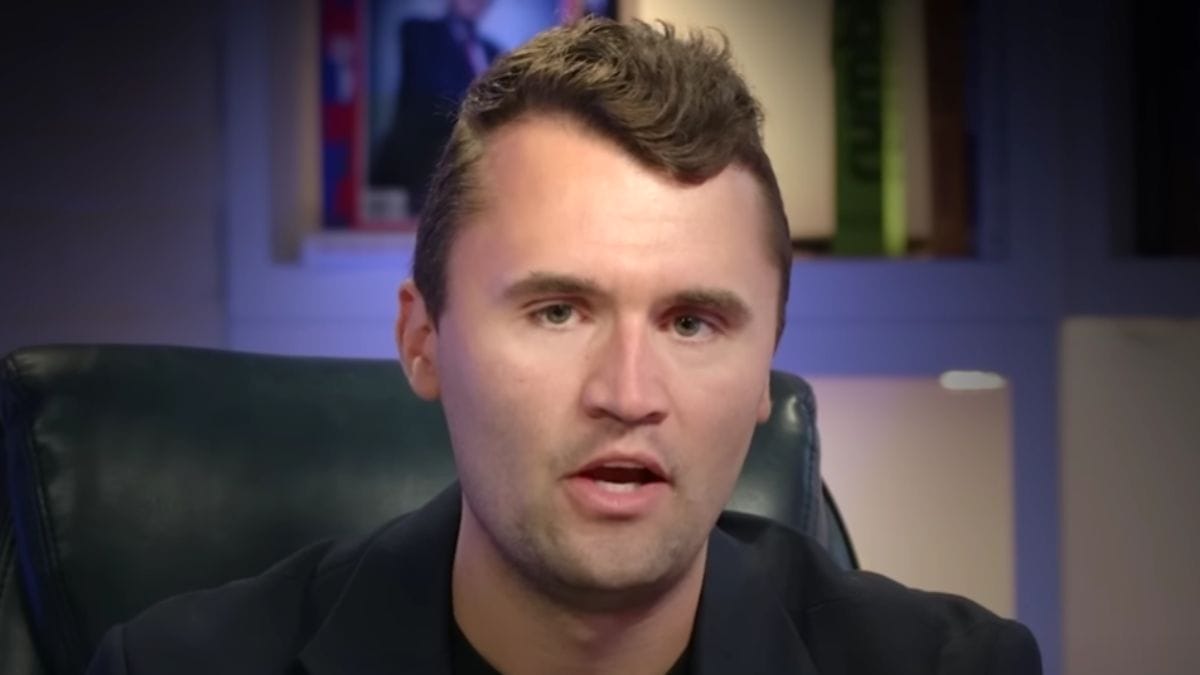
On September 10, 2025, Charlie Kirk’s life ended in a shocking act of political violence on a college campus. His death has rippled through Gen Z in profound ways—amplifying admiration and intensifying criticisms. Now more than ever, understanding why Gen Z either loved or loathed Kirk matters deeply, because his legacy is no longer just about what he said, but about what his murder revealed. Examining the passions and divisions stirred by his life and his death helps illuminate Gen Z’s values in this fracturing moment. Here’s a deeper look into the reasons Gen Z held strong feelings for and against Kirk and what his death may change.
The Legacy of Authenticity & Grassroots Connection
Before his death, many in Gen Z admired Charlie Kirk because of what they saw as raw, unfiltered authenticity. Kirk made a name by speaking directly to young people—through frenetic campus debates, social media, and bold statements that many others shied away from. His grassroots style made him feel like someone from among them, not distant or polished by establishment channels. After his death, that perception of authenticity has become part of his mythos for supporters, who view him now as having lived—and died—committed to his beliefs. For critics, though, that same authenticity is re-evaluated: they see provocation that may have stirred up division, and now, they argue, helped fuel the environment that ended his life.
Shared Values Turned Symbolic After His Death
Gen Z, who aligned with Kirk, often did so because they saw in him someone defending free speech, conservative values, and Christian faith. With his death, those values are now wrapped in symbolism: to many, Charlie Kirk became a martyr for free speech and political courage. Supporters often point to his willingness to confront cultural norms, to speak unapologetically, as part of what made him resonate—qualities that now seem more vivid in light of his assassination. On the other hand, critics believe those same values sometimes mask intolerance or polarizing rhetoric, and they worry they’ve contributed to a polarized climate. His death forces both sides—supporters and detractors—to grapple not only with what he stood for but what his rhetoric sparked in a country already fissured.
Yesterday’s Provocation, Today’s Reflection
Kirk was known for provocative commentary—challenging gender norms, critiquing liberal views, and pushing back against what he saw as censorship on campuses. Many Gen Zers loved him for that edge—seeing provocation as necessary to wake up complacency. After his death, however, that provocation is being reevaluated: some praise his boldness, others ask whether certain rhetorical choices increased risk, burdened communities, or inflamed tensions. For those who loathed him, Kirk’s death is a tragic confirmation of their critiques: that rhetoric matters, that speech has consequences, and that the line between earnest disagreement and danger can be narrower than many realized. Gen Z’s split over Kirk now involves not just politics, but ethics of speech, safety, and responsibility.
Media Savvy Amplified by Tragedy
Charlie Kirk’s strength was his keen understanding of how to use media—social media, campus debates, viral moments—to magnify his voice. In death, that savvy is underscored: videos of his last moments, tributes, memorials, and commentary have circulated widely, often branding him as a symbol. Gen Z, steeped in digital culture, sees both the power and the peril of such amplification: Kirk’s platforms made him influential, but also made his every move—and now his death—public, scrutinized, meme’d, and mythologized. Some see this amplification as ensuring that issues he raised—free speech, conservative youth engagement—have a greater legacy. Others see danger: where one’s life becomes a political spectacle, and where symbolic use of that life might overshadow nuance or lead to further polarizing flashpoints.
The Generational Reckoning Brought by His Untimely Death
With Kirk’s passing, many young people are forced to reflect not just on ideology but on how political identity, public discourse, and activism affect everyday risks. For Gen Z supporters, his death is a call to carry on his work: to protect youth voice, preserve free speech, and guard against what they see as threats from misinformation, censorship, or identity politics. For those who opposed him, it’s a reminder of the cost of uncivil political culture, of rhetoric that inflames rather than bridges. Across the board, Kirk’s death has led Gen Z to examine what kind of political legacy they want to support—whether one built on confrontation or conversation. Ultimately, the split over Kirk has become more than about love or loathing: it’s about what kind of political climate, and what kind of safety Gen Z wants for their future.
What Charlie Kirk’s Death Leaves Behind
Charlie Kirk’s death turned divides into wounds—but also opened space for reflection among Gen Z on what really matters. His life was a mirror of contradictions: beloved and contentious, praised and blamed. The way Gen Z now speaks of Kirk shows that legacy isn’t just built in life—sometimes it’s shaped by death. While many will remember his strengths—speaking out, mobilizing youth, defying norms—others will continue to critique the cost paid by society when rhetoric and polarization overtake reconciliation. Kirk’s death may not unify Gen Z, but it certainly sharpened what matters most: truth, responsibility, and power of voice—both its potential and its danger.
How has Charlie Kirk’s death changed your view of his influence? Are there aspects of his message you now see differently—and if so, which ones? Share your thoughts and reflections in the comments.
What to Read Next
- 5 Ways Charlie Kirk Changed Conservative Youth Movements Forever
- 10 Harsh Realities of Boomer Childhoods That Gen Z Wouldn’t Tolerate
- Gen Z Is Opting Out of These 10 Adulting Basics—Here’s Why That Won’t Work
- 6 Dangerous Social Trends That Gen Z Thinks Are Normal
- 12 Outdated Beliefs About Success That Gen Z Is Happily Ignoring
