
Why Engines Overheat More In Slow Traffic
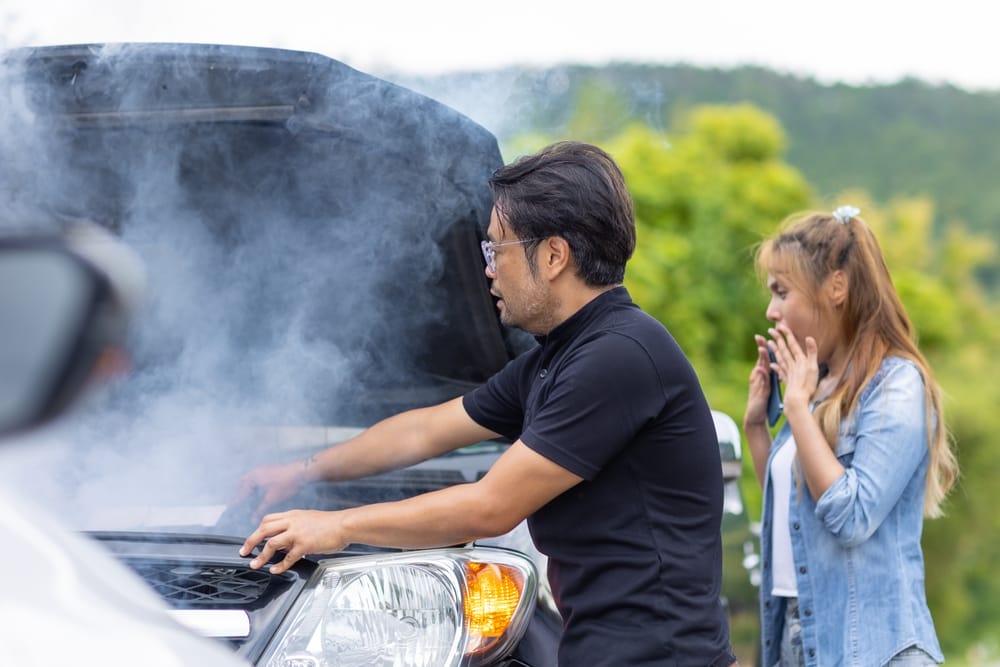
When my wife and I first got together, she had this awful P.T. Cruiser. While it being a P.T. Cruiser was enough for it to be breaking down constantly, and it seemed to overheat anytime she was stuck in traffic. Believe it or not, this is a rather common issue. So, if you’re experiencing this problem, you’re not the only one. However, understanding the “why” behind it can help you prevent catastrophic engine damage. Here is a look at eight reasons why some engines overheat more in slow traffic.
1. Airflow Drops When You’re Not Moving
Engines rely heavily on airflow to stay cool, especially when driving at higher speeds. When your car is moving, air naturally flows through the radiator, helping to dissipate heat from the engine coolant. But in slow traffic, that airflow is drastically reduced or even nonexistent. Without that constant breeze, your cooling system has to work overtime to keep temperatures in check. This is why your engine temperature often rises when you’re crawling along at 5 mph.
2. The Radiator Fan Has Limits
Your radiator fan is designed to kick in when the engine gets hot, especially when the car isn’t moving fast enough to generate airflow. However, it’s not as powerful as the wind you get while cruising down the highway. In heavy traffic, the fan may run continuously, but it can only do so much to cool things down. If the fan is weak, faulty, or not spinning at full speed, it won’t keep up with the heat being generated. That’s when you start seeing that dreaded temperature warning light.
3. Stop-and-Go Driving Builds Heat Fast
Every time you accelerate from a stop, your engine works harder than it does at a steady cruising speed. This constant stop-and-go motion generates more heat than smooth highway driving. Combine that with limited airflow and a stressed cooling system, and you’ve got a recipe for overheating. It’s especially problematic in older vehicles or those with worn-out cooling components. The more you idle and inch forward, the more heat your engine has to manage.
4. Idling Burns Fuel Without Much Cooling
When your car idles, it’s still burning fuel and generating heat, but it’s not getting the same cooling benefits as when it’s moving. The engine is working, but the cooling system isn’t getting the airflow it needs to function efficiently. Over time, this imbalance can cause the temperature to rise, especially on hot days or in poorly ventilated areas. Long periods of idling in traffic can push your engine past its comfort zone. That’s why many overheating incidents happen during rush hour or in construction zones.
5. AC Usage Adds Extra Strain
When you’re stuck in traffic on a hot day, turning off the air conditioning isn’t exactly appealing. But running the AC puts additional strain on your engine, especially when it’s already struggling to stay cool. The AC compressor draws power from the engine and generates extra heat under the hood. In slow traffic, this added burden can tip the balance and lead to overheating. If your engine starts to run hot, turning off the AC can help it recover.
6. Coolant Circulation May Be Inadequate
Your cooling system depends on a steady flow of coolant to carry heat away from the engine. In slow traffic, if your water pump isn’t circulating coolant efficiently, due to wear, low coolant levels, or a blockage, heat can build up quickly. A failing thermostat can also prevent coolant from flowing properly, trapping heat inside the engine. These issues often go unnoticed until the engine is under stress, like during prolonged idling. Regular maintenance can catch these problems before they lead to a breakdown.
7. Heat Soaks Into the Engine Bay
When your car is stationary, heat doesn’t just disappear… it lingers. The engine bay becomes a hotbox, especially in summer or after long drives. Without motion to carry heat away, components like hoses, belts, and sensors are exposed to higher temperatures for longer periods. This can accelerate wear and increase the risk of failure. Over time, this “heat soak” effect can make your engine more prone to overheating in traffic.
8. Older Vehicles Are More Vulnerable
If you’re driving an older car, it may not have the same advanced cooling systems as newer models. Aging radiators, worn-out hoses, and outdated fans can all contribute to poor heat management. Older engines may also run hotter by design, making them more susceptible to overheating in slow traffic. If your car is over a decade old, it’s worth having the cooling system inspected regularly. A little preventative care can go a long way in avoiding roadside meltdowns.
Don’t Let Traffic Turn Into Trouble
Understanding why engines overheat in slow traffic is the first step toward preventing it. From reduced airflow to overworked cooling systems, several factors come into play when your car isn’t moving. The good news? Most of these issues are manageable with regular maintenance and a little awareness behind the wheel. If you notice your temperature gauge creeping up, don’t ignore it. Take action before it turns into a costly repair. After all, a few smart habits can keep your engine cool, even when traffic is anything but.
What’s your go-to trick for keeping your car cool in traffic? Share your tips and overheated horror stories in the comments below!
What to Read Next
Your Engine Feels The Cold Before You Do
What Happens When You Ignore That Weird Engine Noise
7 Car Habits That Destroy Engines Before 100k Miles
9 Engines That Changed Automotive History Forever
7 Car Models With Built-In Blind Spots That Engineers Won’t Admit
