
Why Do So Many Men Ignore Dashboard Warning Lights
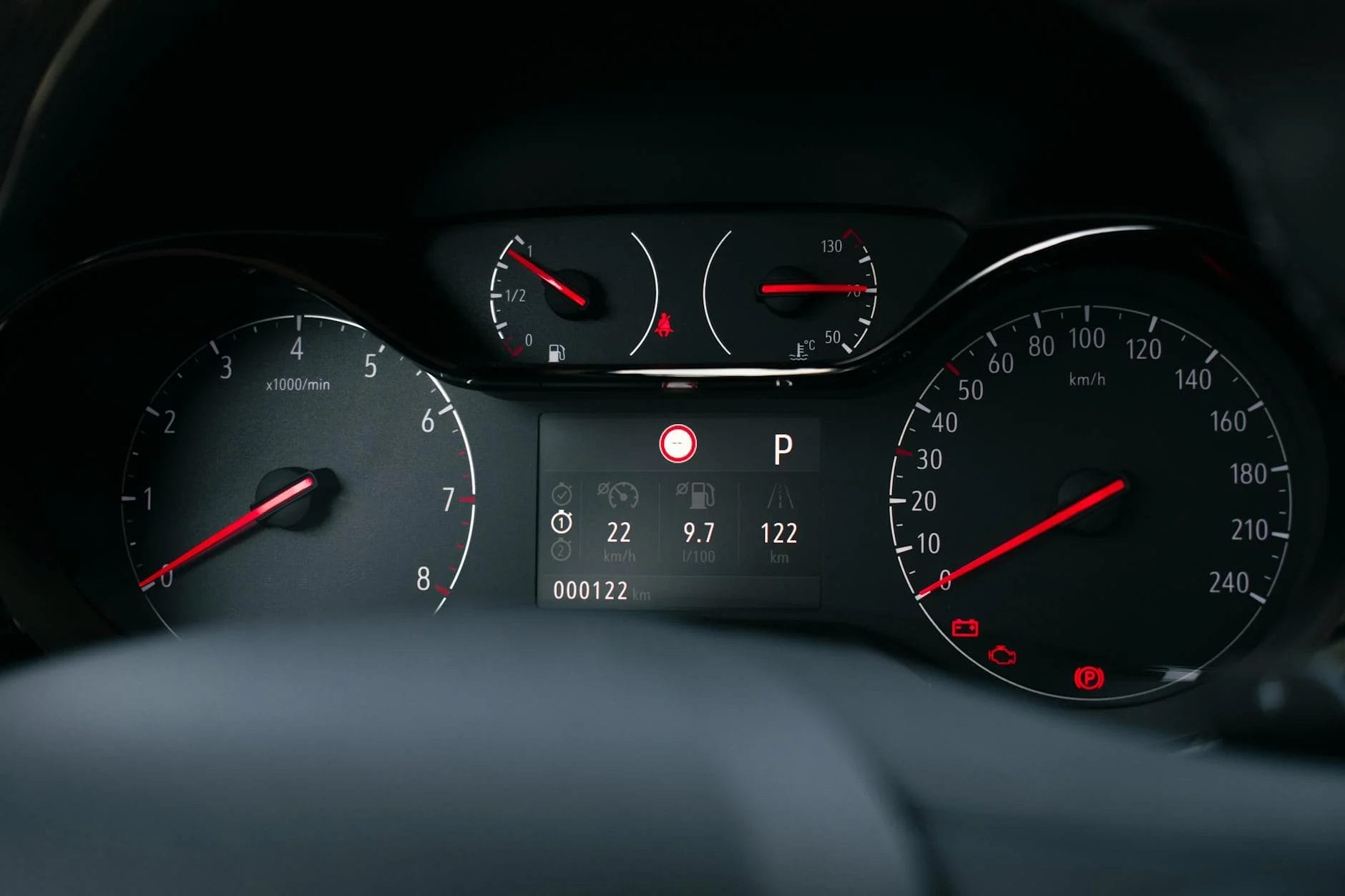
It’s an all-too-familiar scene: a dashboard warning light flickers on, and many men keep driving as if nothing happened. This behavior isn’t just a stereotype—it can lead to costly repairs and even safety risks. Understanding why so many men ignore dashboard warning lights matters for both wallet and well-being. Cars today rely heavily on electronic alerts to communicate problems, but those signals often go unheeded. Exploring the reasons behind this common habit can help drivers make better choices and avoid bigger headaches down the road. For anyone who shares a car or worries about maintenance, understanding the underlying reasons for this tendency is crucial.
1. Overconfidence in Mechanical Knowledge
Many men grow up tinkering with cars, learning the basics from family or friends. This background can breed a sense of confidence—sometimes too much. When a dashboard warning light comes on, it’s easy to think, “I know my car. It’s probably nothing serious.” This overconfidence can lead to ignoring the warning, assuming it’s just a glitch or something they’ll fix later.
Dashboard warning lights often trigger memories of minor issues that didn’t need urgent attention. But cars have changed, and modern vehicles use these alerts to flag problems that aren’t always visible. Trusting gut instincts over the warning system can backfire, leading to expensive repairs or breakdowns.
2. Fear of Costly Repairs
Let’s face it: car repairs can be expensive and unpredictable. When a dashboard warning light appears, the first thought might be, “How much is this going to cost me?” For many men, ignoring the alert feels like a way to delay bad news. It’s easier to hope the problem goes away than to face a potentially steep repair bill.
This avoidance can create a false sense of security. The longer the warning goes unchecked, the greater the risk of compounding the issue. What starts as a minor fix could escalate into a major repair. In some cases, ignoring dashboard warning lights can even void warranties or insurance claims, adding to future expenses.
3. Misunderstanding the Signals
Not all dashboard warning lights are created equal. Some indicate urgent problems, while others are reminders or minor alerts. The sheer number of symbols—oil, brakes, tire pressure, engine—can be confusing. Many men, even those who consider themselves car-savvy, may not know exactly what each light means.
This confusion leads to a kind of selective hearing: only the most alarming signals get attention. For example, a blinking check engine light might be ignored if the car seems to run fine. But dashboard warning lights exist for a reason, and misreading them can have serious consequences.
4. Perception of Masculinity and Independence
Societal expectations play a role, too. There’s often an unspoken belief that men should handle car troubles on their own. Admitting uncertainty about a dashboard warning light can feel like a sign of weakness. Instead of asking for help or consulting a professional, some men will ignore the warning and hope for the best.
This mindset can be reinforced by friends or family who downplay the importance of dashboard warning lights. The pressure to appear knowledgeable and independent sometimes outweighs the practical need to address the issue promptly.
5. Time Pressures and Convenience
Busy schedules make it hard to prioritize car maintenance. For many men, taking time off work or rearranging plans to visit a mechanic is inconvenient. When a dashboard warning light comes on, it’s tempting to put it off until there’s more free time.
Unfortunately, waiting often means the problem gets worse. Dashboard warning lights are designed to catch issues early, before they become emergencies. Ignoring them for the sake of convenience can lead to much bigger interruptions later on.
Why It’s Worth Paying Attention to Dashboard Warning Lights
Ignoring dashboard warning lights doesn’t make the problem disappear—it just delays the inevitable. These alerts are there to protect you, your passengers, and your investment in your vehicle. Taking a few minutes to check the owner’s manual, look up the meaning online, or call a mechanic can save money and stress in the long run.
While it’s natural to hope a warning light is nothing serious, addressing it early is almost always the smarter move. Dashboard warning lights are a modern safety net, and paying attention to them is one of the simplest ways to keep your car running smoothly.
Do you tend to ignore dashboard warning lights, or do you act right away? Share your experiences in the comments below!
What to Read Next…
- 7 Things Men Fix Around The House And Still Get No Credit For
- 9 Car Brands That Quietly Lost Consumer Trust In The Last 5 Years
- 8 Things You Should Never Keep In Your Car For Your Own Safety
- 10 Clues Your Mechanic Might Be Lying To You
- 7 Car Habits You Picked Up From Your Parents That Are Actually Terrible
