
Why Do Men Think DIY Haircuts Save Money When They Don’t?
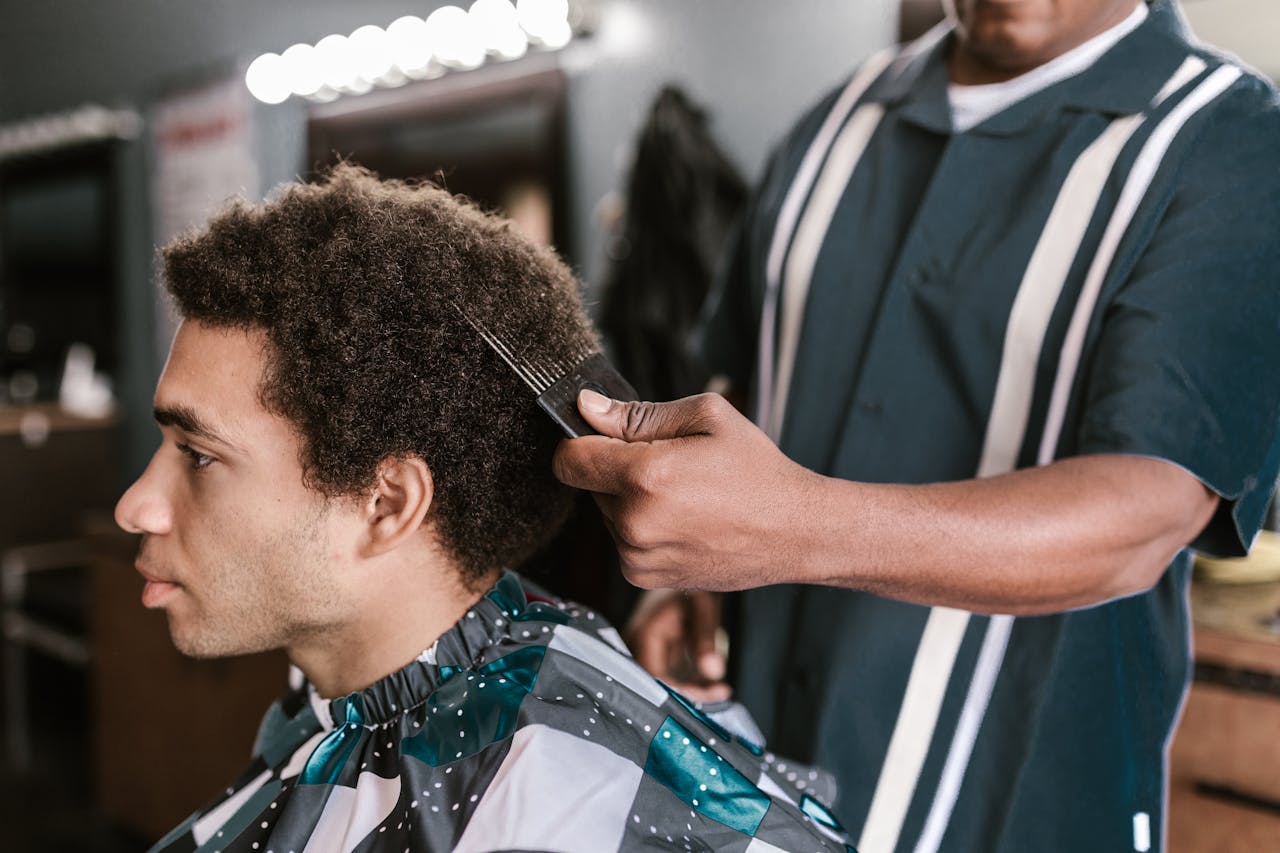
In the world of personal finance, it’s easy to assume that doing things yourself always saves money. One of the most common examples is the DIY haircut. Many men pick up a pair of clippers or scissors, convinced that skipping the barber will leave more cash in their wallets. It’s an appealing idea—after all, hair keeps growing, and haircuts aren’t cheap. But do DIY haircuts actually save money in the long run? The answer is more complicated than it seems. Let’s break down the real costs and consequences, and why the promise of savings might not hold up.
1. The Hidden Costs of DIY Haircuts
The primary SEO keyword for this article is “DIY haircuts.” At first glance, DIY haircuts look like a slam dunk for saving money. But once you start adding up the costs, the picture changes. You need to buy proper tools: clippers, scissors, guards, mirrors, and sometimes even a cape or specialized cleaning products. Good-quality tools aren’t cheap, and cheaper ones often don’t last long or cut well. Over time, you may also need to replace or maintain them.
There’s also the risk of mistakes. If you botch a haircut, you might end up going to a professional anyway to fix it, which means you’re paying for both the tools and the pro service. In some cases, you might even need to buy hats or styling products to disguise an uneven cut. These hidden costs add up and can quickly outweigh the savings of skipping the barber.
2. Time Is Money
Many men underestimate the time investment required for DIY haircuts. A professional barber can usually give you a great haircut in 20-30 minutes. At home, especially if you’re less experienced, the process can drag on much longer. You’ll spend time setting up, cleaning up, and trying to fix small mistakes.
What’s your time worth? If you’re taking an hour or more every few weeks for a haircut, that’s time you could spend earning money or doing something more enjoyable. When you factor in the value of your time, the cost of DIY haircuts starts to look less attractive.
3. Quality (and Confidence) Matters
Professional barbers have years of training and experience. They know how to work with different hair types, face shapes, and styles. A DIY haircut often can’t match that level of quality. Even with the best YouTube tutorials, it’s easy to make small mistakes that affect your appearance.
Feeling good about your haircut isn’t just vanity—it can impact your confidence at work and in social settings. If you’re not happy with your DIY haircut, you might avoid important events or feel self-conscious. Over time, poor-quality haircuts can have a bigger cost than you expect.
4. The Cost of “Learning Curve” Haircuts
Cutting hair is a skill that takes practice. Most men don’t get it right the first few tries. Those early attempts can be rough, leading to uneven lines, bald spots, or awkward shapes. While you might laugh it off, fixing these mistakes often requires a trip to the barber anyway.
There’s also the risk of damaging your tools while learning, leading to more replacements or upgrades. Each failed DIY haircut chips away at any potential savings. In many cases, men end up spending more during the “learning curve” phase than they would have by sticking to professional haircuts in the first place.
5. Long-Term Expense of Bad Habits
DIY haircuts can lead to a cycle of touch-ups and fixes. If you’re not satisfied with the result, you might try to “even things out” a few days later, which can make things worse. This often leads to over-cutting and more frequent haircuts, which means using your tools more and replacing them sooner.
Some men also start buying extra products—such as gels, sprays, or hats—to cover up mistakes. These ongoing purchases can add up quickly, eroding any savings and sometimes even costing more than regular barbershop visits.
Rethinking the True Value of DIY Haircuts
When you look at the full picture, it’s clear that DIY haircuts don’t always save money. The upfront investment in tools, the hidden costs of mistakes, and the value of your time all play a role. Plus, the confidence and professional look you get from a skilled barber can be worth the price. For some, learning to cut hair well is a worthwhile hobby, but for most, the savings from DIY haircuts just don’t add up.
If you’re still tempted to try, consider starting with very simple trims or learning under the guidance of a pro.
Have you ever tried cutting your own hair to save money? How did it work out for you? Share your experiences below!
