
Think You Wash Your Hair Enough? Dermatologists Say You Probably Don’t
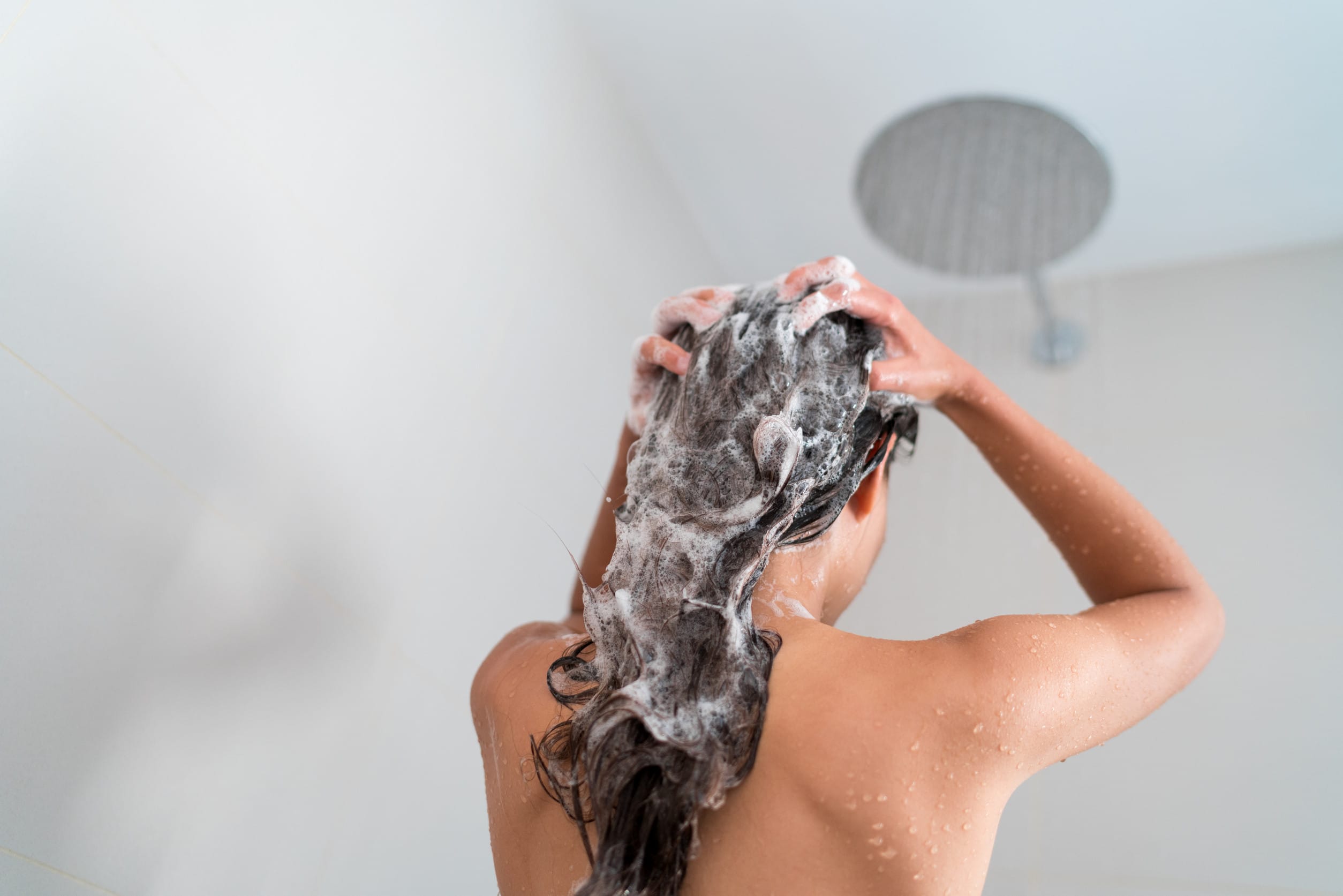
You might think your hair care routine is solid (shampoo every few days, rinse, maybe condition), but dermatologists warn that many people simply aren’t washing often enough. Under-clean scalp leads to the buildup of oils, sweat, dead skin cells, and environmental debris that can cause itching, dandruff, and even damage to follicles. Getting the frequency right matters not just for whether your hair looks good, but also for scalp comfort, long-term health, and avoiding costly hair problems. If you’ve ever wondered why your scalp feels “off” even after you wash, the answer might be that “enough” isn’t what you think. Here are what skin experts are saying about how often you should wash your hair and signs you probably aren’t doing it enough.
Scalp Health Depends on Washing Frequency
Dermatologists emphasize that a clean scalp isn’t just vanity; it’s essential for preventing fungal growth, dandruff, and irritation. According to Mayo Clinic, if you don’t regularly shampoo, dead skin, oil, and product residue can build up and lead to dermatitis or itchiness. Skin that remains unclean can become a breeding ground for bacteria and yeast, which may worsen problems like seborrheic dermatitis. Even if your hair looks okay, your scalp might be suffering under the surface. Out of sight doesn’t mean out of risk. Understanding your scalp condition is a big step in determining how often you need to wash.
Hair Type Dramatically Changes the Ideal Schedule
Not all hair is the same, and dermatologists make a point of noting that hair texture, density, curl pattern, and porosity play massive roles. For example, coarse, curly, or tightly coiled hair tends to be drier, so washing too frequently can strip moisture and lead to breakage. Conversely, fine or straight hair with an oily scalp may require more regular washing, sometimes every other day or even daily. Also, hair that has been chemically treated or color-processed often demands gentler care and fewer washes due to increased fragility.
Lifestyle, Environment, and Activity Level Matter Most
How often you wash also depends heavily on what your days look like and where you live. If you exercise frequently, sweat a lot, or work outdoors, there’s more buildup to deal with. Sweat and dirt don’t just disappear. Pollution, humidity, and dust in urban environments also contribute to residue that clogs follicles and irritates skin. At the same time, if you live in a dry, mild climate and spend most of your time indoors, you may get away with washing less often. The key is to adjust based on how your scalp feels and looks, not on what seems “normal” for others.
Signs You’re Under-Washing More Than You Think
If you’re scratching your scalp, seeing flakes, smelling something musty, or noticing oily roots (but your hair looks okay elsewhere), you might be under-washing. These are red flags dermatologists mention that signal scalp issues. Also, product buildup from leave-in conditioners, styling gels, or sprays can accumulate, even if you wash occasionally. Invisible debris and oil can clog follicles, possibly affecting hair growth or leading to itchiness. When the scalp feels tight, looks shiny (from oil), or flakes appear, especially after not washing, those are clues you need to increase frequency.
How Often Is “Enough”: General Guidelines from Experts
While there’s no one-size-fits-all, many dermatologists suggest washing hair two to three times per week as a good starting point for people with typical hair types. For those with oily hair or whose scalps get dirty easily, washing daily or every other day can be appropriate. Meanwhile, people with coarse, curly, textured, or chemically treated hair may only need to shampoo once a week (or even once every couple of weeks) if scalp conditions are mild and there’s no irritation. Remember, though, that even less frequent washing should be accompanied by good rinsing, conditioning, and avoiding heavy product buildup.
Best Practices to Keep Between Washes Healthy
To protect your scalp and hair, dermatologists aren’t just about telling you when to wash—they also guide how. Here are some quick tips on how you should be washing your hair.
- Use shampoos that match your scalp condition: gentle cleansers for dry or sensitive scalps, anti-dandruff or medicated shampoos if needed.
- Conditioning should focus on the ends if your scalp tends to get oily, so you don’t over-moisturize the roots.
- Between washes, dry shampoo or rinses with just water can help remove some oil or odor without a full shampoo.
- Avoid harsh shampoos or treatments too frequently; they may strip good oils and damage hair, especially in vulnerable hair types.
Realizing When Cleaner Means Happier Hair
If you’ve been sticking to a wash-every-few-days schedule and still fight scalp itch, grease, flakes, or odor, dermatologists would likely tell you: you’re probably not washing enough. Adjusting frequency based on your hair type, how much dirt or product you expose it to, and environmental factors usually fixes many common hair complaints. A cleaner, healthier scalp tends to lead to stronger, shinier, more manageable hair. It’s not about vanity. It’s about maintaining a foundation for healthy hair growth and comfort. Listen to what your hair and scalp are saying, and don’t be afraid to wash more often if they ask for it.
Have you changed how often you wash your hair and noticed big differences (good or bad)? Share what worked or didn’t in the comments below!
