
Think It’s a Mistake? The Real Reason Some Outlets Are Installed Upside Down

Electric outlets. They’re the unsung heroes of modern life, quietly powering everything from the coffee maker to the laptop you’re glued to. But take a closer look and you might notice something weird: some outlets have the ground pin—the short, round one—sitting on top. At first glance, it looks like someone fumbled with a screwdriver or ignored the installation instructions. The reaction is immediate: why would anyone put a perfectly normal outlet upside down? It seems like a rookie mistake, a design mishap, a little domestic oddity begging for a curious head tilt.
Yet there’s more to this quirky detail than meets the eye. This is one of those cases where the world of home improvement has quietly defied our expectations, blending function and subtle safety upgrades into what might otherwise appear to be a simple slip of orientation. Beyond the “oops” factor, upside-down outlets can serve distinct purposes that make life safer and even a little smarter.
Flipping the Script: Safety First
The first and most important reason some electricians choose to install outlets upside down has nothing to do with rebellion or decoration. It has everything to do with safety. The ground pin, that unassuming round peg, exists to protect users from electrical shocks. When it’s positioned on top, any metal plug or appliance falling from the outlet is more likely to touch the ground pin first. This small adjustment can prevent sparks or electrical shorts from causing damage—or worse, injury. It’s a tiny change that can make a huge difference, particularly in homes with young children or high foot traffic.
Beyond drop hazards, there’s the consideration of liquid spills. Kitchens, bathrooms, and laundry rooms present constant exposure to water. If a plug were to fall partially out of a bottom-grounded outlet, it could make contact with a puddle or wet surface. An upside-down installation flips the odds in favor of safety. It’s subtle, almost invisible, but it’s a proactive strategy that shows how a simple rotation can have real-world consequences. This approach is more common than many realize, particularly in professional or industrial settings where safety margins are crucial.
A Matter of Code and Convention
It’s easy to assume that every electrical outlet is installed in the same way because that’s what most homes display. But wiring conventions vary, and local building codes sometimes give electricians leeway in orientation. The National Electrical Code in the U.S., for instance, does not strictly mandate ground positioning, leaving the decision to installer discretion in many cases. Some electricians prefer top-grounded outlets as a personal best practice, while others may follow client preference or room function.
Even outside strict safety logic, orientation can affect convenience and long-term maintenance. Outlets in garages, workshops, or areas with heavy appliance use often face upward to minimize damage to cords and plugs over time. This positioning can prevent accidental unplugging or bending of prongs, extending the lifespan of devices and reducing wear on electrical components. While it might look like a strange quirk to the untrained eye, it’s actually a thoughtful choice designed to balance safety, durability, and functionality.
The Subtle Psychology of Upside Down
Humans are wired to notice patterns, and an upside-down outlet triggers instant curiosity—or mild panic—because it breaks the expected visual flow. That psychological jolt can be a good thing, especially in workplaces or public spaces where awareness matters. For instance, in industrial or laboratory settings, top-grounded outlets stand out just enough to make employees double-check their equipment before plugging it in. That small moment of attention could prevent mistakes, equipment damage, or even accidents.
Designers and electricians also occasionally lean into the upside-down orientation for aesthetic and functional reasons. In certain minimalist or tech-focused homes, the unconventional look of a top-grounded outlet can complement modern interiors without compromising utility. While this isn’t a universal approach, it underscores how practicality and visual design sometimes meet in unexpected ways. A tiny shift of ninety degrees might feel rebellious, but in reality, it’s a calculated decision with multiple advantages.
Tips for Homeowners Who Notice Flipped Outlets
Noticing an upside-down outlet doesn’t automatically signal danger. But it does offer a chance to consider smart safety upgrades. First, check for any visible damage, loose wiring, or frayed cords—these are real hazards that no amount of clever orientation can fix. Next, think about the placement of frequently used appliances. If spills or falling plugs are concerns, flipped outlets could actually reduce risk.
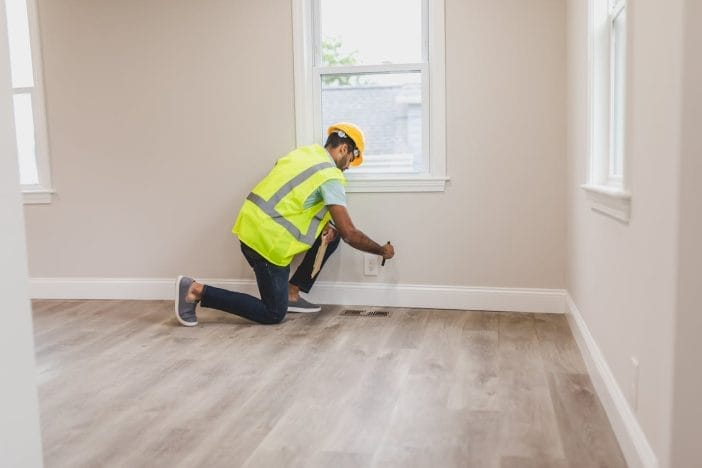
For those who prefer consistency or are concerned about resale value, replacing or reorienting outlets is a straightforward project. Always turn off the breaker before attempting any work, and consider consulting a licensed electrician if unsure. Adding outlet covers or surge protectors can further safeguard electronics, especially in homes with children or pets. Upside-down outlets aren’t mistakes—they’re opportunities to rethink everyday safety and functionality.
Think Before You Flip
Ultimately, upside-down outlets remind us that what looks like a mistake might be intentional genius. Electrical design is full of these subtle tweaks, blending safety, longevity, and human behavior into a package that most people don’t even notice. Next time an outlet surprises you by flipping the expected orientation, consider it a small but smart adaptation rather than a blunder. It’s a reminder that even in the smallest details of our homes, thoughtfulness and foresight quietly make life better.
How many other everyday objects quietly defy expectation for good reason? Share your ideas, stories, or observations in the comments. What unusual home tweaks have caught your attention, and why do you think they exist?
You May Also Like…
Why Installing Hardwood Floors Can Be a Smart Way to Save Money on Home Improvements
Electricians Warn: This Extension Cord Mistake Is Fueling House Fires Across the South in 2026
5 Signs Your Dryer Vent Is Clogged
Why More Americans Are Installing Cameras Inside Their Homes—and What They’re Catching
Homeowners Are Reporting the Same Strange Sign Before Break-Ins—And Police Are Taking Notice
