
These 8 States Have the Lowest Gas Taxes — Are You in One?
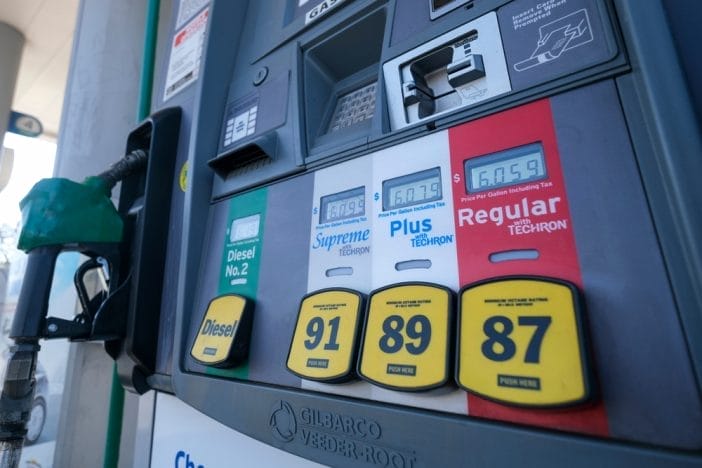
Gas prices grab attention fast, and not in a gentle way. One glance at the pump can turn a good day sideways, especially when numbers climb higher than expected. Yet across the country, a handful of states quietly keep things more affordable thanks to lower gas taxes. These places don’t rely as heavily on fuel taxes to fund roads and infrastructure, which gives drivers a bit of breathing room every time they fill up. That difference may seem small at first, but it stacks up quickly over weeks and months of driving. A lower tax per gallon often means extra cash stays in pockets instead of disappearing into the tank.
This list dives into eight states where gas taxes sit at the lower end of the spectrum, offering a practical advantage for commuters, road-trippers, and anyone who spends serious time behind the wheel. These states didn’t land here by accident, and each one reflects different policy choices and economic priorities. Some rely more on sales taxes or alternative funding methods, while others simply keep fuel taxes low to support drivers.
1. Mississippi: Keeping It Simple and Affordable
Mississippi keeps things refreshingly straightforward when it comes to gas taxes, which they raised less than a year ago. The state consistently ranks among the lowest in the country, with a fuel tax that sits well below the national average. That means drivers often enjoy noticeably cheaper prices at the pump compared to neighboring states. For anyone commuting long distances or relying heavily on a vehicle for work, that difference can translate into meaningful savings over time. Mississippi’s approach reflects a broader effort to keep everyday costs manageable for residents.
At the same time, this lower tax rate comes with trade-offs that deserve attention. Funding for road maintenance and infrastructure doesn’t rely as heavily on gas taxes, which can create challenges in keeping highways and local roads in top condition. Still, many drivers see the immediate benefit as worth it, especially when compared to states with significantly higher fuel taxes. Anyone traveling through Mississippi should take advantage of the lower prices and consider filling up before crossing state lines. A simple stop at the pump here can stretch a travel budget further than expected.
2. Louisiana: Low Taxes, Big Driving Culture
Louisiana earns its spot on this list with one of the lowest gas tax rates in the country. The state has historically resisted large increases, which helps keep fuel prices more manageable for residents and visitors alike. Driving plays a huge role in daily life here, and lower taxes reflect that reality. Whether navigating city streets or cruising along scenic highways, drivers benefit from consistently lower costs at the pump. That affordability adds up quickly, especially for those who rely on their vehicles for work or long commutes.
However, Louisiana’s low gas tax also sparks ongoing debates about infrastructure funding. Roads and bridges require maintenance, and limited tax revenue can make that more challenging. Despite that, the immediate savings remain a major draw. Anyone passing through Louisiana should keep an eye on gas stations near state borders, as prices can jump once crossing into neighboring states with higher taxes. Filling up here can make a noticeable difference on a longer trip, and smart drivers take full advantage of that gap.
3. Alaska: Remote Living, Lower Taxes
Alaska stands out for more than just its breathtaking landscapes. It also boasts one of the lowest gas taxes in the United States. That might seem surprising given the logistical challenges of transporting fuel across such a vast and remote state. Still, Alaska keeps its gas tax minimal, which helps offset the naturally higher base costs associated with fuel distribution. For residents who depend heavily on vehicles in areas with limited public transportation, that lower tax offers some welcome relief.
Even with low taxes, gas prices in Alaska don’t always rank among the cheapest due to supply challenges. That distinction matters, because it shows how taxes represent only one piece of the pricing puzzle. Still, the state’s approach helps prevent costs from climbing even higher. Travelers exploring Alaska should plan fuel stops carefully, as distances between stations can stretch longer than expected. A lower tax helps, but smart planning remains essential in a place where the next gas station might sit miles away.
4. Missouri: A Midwest Win for Drivers
Missouri keeps gas taxes relatively low compared to many other states, even after gradual increases in recent years. The state still lands comfortably among those with more affordable fuel tax rates, which benefits both residents and travelers. Long stretches of highway and a strong driving culture make this especially valuable. Lower taxes help keep transportation costs down, which supports both personal budgets and local businesses that rely on shipping and travel.
Despite recent adjustments, Missouri continues to offer competitive fuel prices, especially when compared to neighboring states with higher taxes. That advantage makes it a smart place to refuel during road trips across the Midwest. Drivers who plan their routes strategically can take advantage of these lower costs. While infrastructure funding remains an ongoing conversation, the current balance still favors affordability at the pump. For many, that’s a trade-off worth appreciating every time the tank runs low.
5. Arkansas: Budget-Friendly Fuel Stops
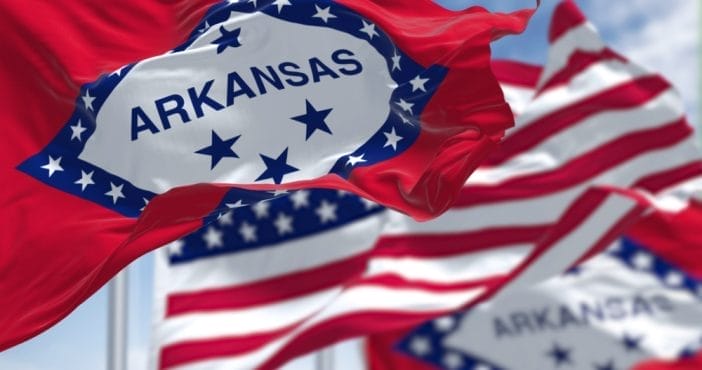
Arkansas delivers another strong option for drivers looking to save at the pump. The state maintains a relatively low gas tax rate, which keeps prices competitive and often lower than the national average. That affordability supports both daily commuters and those traveling through the region. With plenty of scenic routes and highways, Arkansas encourages road travel, and lower fuel costs make those journeys even more appealing.
At the same time, Arkansas continues to explore ways to maintain and improve infrastructure without dramatically increasing gas taxes. That balancing act shapes ongoing policy decisions, but for now, drivers enjoy the benefits. Anyone traveling through Arkansas should consider timing their fuel stops strategically to maximize savings. Filling up here before heading into higher-tax states can make a noticeable difference, especially on longer drives. Small decisions like that turn into real savings over time.
6. Oklahoma: Consistently Low and Driver-Friendly
Oklahoma makes this list with a gas tax rate that remains among the lowest in the country. The state has taken a measured approach to increases, which helps keep fuel prices accessible. Driving plays a central role in daily life, and lower taxes reflect a commitment to keeping transportation affordable. For commuters, delivery drivers, and road-trip enthusiasts, that translates into consistent savings.
Oklahoma’s approach also highlights the broader conversation around how states fund infrastructure. While lower taxes benefit drivers immediately, they also require careful planning to ensure roads remain safe and reliable. Even so, Oklahoma continues to strike a balance that favors affordability at the pump. Drivers passing through should take advantage of the lower prices and plan fuel stops accordingly. A well-timed refill here can stretch a travel budget further than expected.
7. The Dakotas: Quiet Champions of Low Costs
Both North Dakota and South Dakota deserve attention for their relatively low gas tax rates. These states often fly under the radar, but they consistently offer more affordable fuel compared to much of the country. Wide-open roads and long driving distances make lower gas taxes especially valuable here. Residents depend heavily on vehicles, and these policies help keep transportation costs manageable.
Travelers crossing through the Dakotas should take note of the savings potential. Fueling up in these states can provide a noticeable cost advantage, especially on extended road trips. While infrastructure funding remains an ongoing challenge, the current tax structure still benefits drivers. Anyone planning a cross-country journey should consider routing through these states when possible. A simple detour could lead to meaningful savings at the pump.
8. Wyoming: Big Skies, Smaller Fuel Taxes
Wyoming combines stunning landscapes with relatively low gas taxes, making it a favorite for road-trippers looking to save. The state keeps its fuel tax below the national average, which helps offset the long distances many drivers face. Wide-open highways and scenic routes make driving a central part of life here, and lower taxes support that lifestyle. For anyone exploring the region, that affordability adds an extra layer of appeal.
Even with lower taxes, Wyoming faces the same infrastructure funding questions as other states on this list. Maintaining roads across such a large and sparsely populated area requires careful budgeting. Still, drivers continue to benefit from the current balance. Anyone traveling through Wyoming should plan fuel stops wisely, as distances between stations can vary. Filling up when prices are low ensures a smoother and more cost-effective journey.
Where Every Gallon Counts
Gas taxes may not dominate everyday conversations, but they shape the cost of driving in a big way. These states prove that policy decisions can directly impact how much drivers pay at the pump. Lower gas taxes don’t solve every pricing challenge, but they offer a clear advantage that adds up over time. Anyone who spends significant time on the road can benefit from understanding where those savings exist and how to take advantage of them. Smart planning, strategic fuel stops, and a little awareness can stretch a budget further than expected.
Now the real question comes into play. Does it make sense to plan routes around lower gas taxes, or does convenience always win out in the end? Share thoughts, strategies, or even favorite road trip fuel stops in the comments—there’s always another way to outsmart the pump.
You May Also Like…
The “Gaslighting” Phrase Toxic Partners Use to Win Arguments
Mechanics Warn: New Engines Are Failing in Just 5 Years — And Oil Is the Hidden Reason
Beard Oils Can Trigger Breakouts and These Ingredients Cause Trouble
Mechanics Warn: New Engines Are Failing in Just 5 Years — And Oil Is the Hidden Reason
The “No-Tech Car” Trend: Drivers Are Rejecting Screens and Sensors
