
The Way Most Men Store a Handgun in the Car Is Now a Magnet for Felony Charges
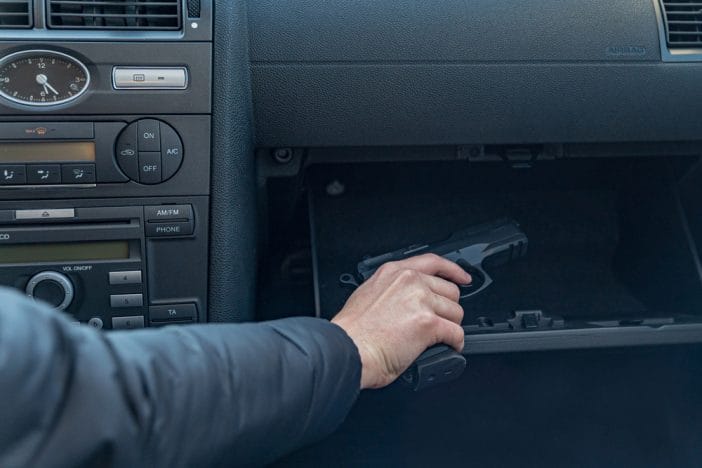
Hot summer roads, the hum of the engine, and a gun tucked under a seat—what could go wrong?
Actually, quite a lot.
Recent shifts in legal interpretation and aggressive enforcement in several states have turned a habit that many gun owners thought was completely fine into a potential felony trap. This isn’t about scaring responsible owners into panic; it’s about highlighting how everyday decisions behind the wheel can suddenly carry life-altering consequences.
If you’ve ever rested a handgun under your driver’s seat or in a glove compartment without thinking, it’s time to pay attention. The laws have tightened, and ignorance is no longer a shield.
Why Car Gun Storage Is Becoming A Legal Minefield
For decades, keeping a firearm in a car was often considered a personal choice, governed mostly by common sense or state regulations about transport. But law enforcement agencies and prosecutors have increasingly started scrutinizing even minor oversights.
Leaving a gun unsecured or easily accessible can now be interpreted as “reckless possession” in some jurisdictions. Some states have introduced rules that define almost any unsecured handgun in a vehicle as a potential felony.
Even if the gun is yours, even if you have a permit, if it’s not stored exactly as the law requires, you’re at risk. And the penalties are harsh—think years of probation, fines, or worse, prison time.
Common Storage Mistakes That Can Trigger Felony Charges
Men often assume that simply putting a gun in the glove box or under the seat is safe enough. But laws today consider factors like accessibility, visibility, and the presence of minors in the vehicle. A magnetic holster under the driver’s seat, for example, might feel clever and invisible, but prosecutors argue it is easy to remove and use, making it legally “accessible.”
Leaving a loaded gun in the center console or an unlocked compartment can also fall into the same legal gray area. Even cases where the gun isn’t loaded can trigger charges if other conditions are met. The reality is that what feels practical and safe may actually be a fast track to felony court.
How Recent Court Cases Are Changing The Game
Several high-profile cases in the past few years have redefined how courts view gun storage in vehicles. Judges have consistently sided with prosecutors when guns were stored in ways that weren’t explicitly legal, even if no crime was committed using the firearm. In some cases, minor details—like failing to lock a gun case or leaving a magnetic holster on the passenger side—have resulted in convictions. These rulings are sending a clear message: law enforcement and the courts are no longer treating casual gun storage as a trivial matter. What used to be considered “common sense safety” is now scrutinized under strict legal standards.
Safe And Legal Alternatives For Storing A Gun In Your Car
Fortunately, there are ways to stay both responsible and compliant. Using a lockable gun case that is securely anchored in your vehicle is one of the simplest solutions. Some car owners invest in custom gun safes built into the floor or trunk of the vehicle. Digital lockboxes with biometric or keypad access are becoming increasingly popular and are recognized in court as legitimate methods of secure storage.
Even cable locks or trigger locks can be legally meaningful when combined with proper placement. Importantly, knowing the specific laws of your state and municipality is crucial, because what works in one location might still land you in trouble just across the county line.

Why Awareness And Education Are Key For Gun Owners
Legal risk isn’t always obvious, and that’s why education is so important. Many men continue habits that seemed safe for years without realizing the law has shifted under their feet. Staying informed about both state and local regulations can prevent legal nightmares. Gun owners who proactively update their storage practices often avoid unnecessary stress, fines, and criminal records. It’s not just about avoiding legal trouble; it’s about protecting yourself, your family, and your freedom. Simple adjustments—like swapping a magnetic holster for a lockbox—can make a world of difference.
The Role Of Law Enforcement In Shaping Storage Practices
Police departments have started campaigns aimed specifically at educating vehicle owners about safe firearm storage. The message is clear: a gun in a car is a responsibility, not a casual accessory. Officers are increasingly issuing citations or making arrests based on what was once considered trivial, sending ripples through communities. This shift is partly in response to data showing that improperly stored guns in vehicles are a major factor in thefts, accidental discharges, and domestic incidents. In short, law enforcement sees proper storage as both a public safety issue and a legal necessity.
Gun Owners, It’s Your Turn To Weigh In
The landscape of gun storage in vehicles has changed dramatically, and understanding the legal pitfalls is more than just prudent—it’s essential. Many men are simply unaware that everyday habits could lead to felony charges, and the consequences are severe. We’d love to hear your experiences or strategies when it comes to keeping firearms secure while on the road.
Have you upgraded your storage methods recently? Do you have tips for fellow gun owners navigating these tricky legal waters? Drop your thoughts in the comments for others to hear.
You May Also Like…
7 Handgun Calibers Experts Warn Could Fail Under Pressure
8 Legal Mistakes First-Time Gun Owners Keep Making
These 6 Guns Look Great—But Perform Terribly at the Range
7 Big Myths About the AR-15—Debunked With Facts, Not Fear
This Common Tool Use Can Violate Local Laws in Certain States

Do these same rules apply to a Concealed Carry holder? Do they also need to keep the weapon in a lockable gun case in the car or can they carry it on their person while driving?
This will depend on the state you live in and/or where you are traveling. Sometimes, laws change as you drive over state lines. Your conceal permit may not be valid one state over.
If you have a concealed carry permit it’s best to have your firearm on you since it is a “carry” permit not a storage permit for the glove box, console or under the seat. A police officer may view your storage option in the console much differently than you do and cause you unnecessary legal problems. Keep in mind that some police officers do not like the idea of private citizens carrying concealed weapons and they can cause you serious problems over a technicality that you thought was perfectly legal. By keeping the gun on your body you have absolute control of it at all times.