
The “Tax Refund” Email That Installs Malware on Your Phone
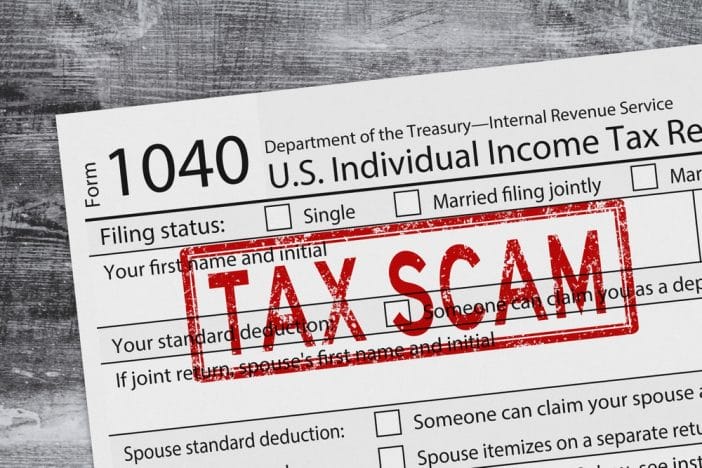
Around half (49%) of Americans are dependent on their tax refunds to make ends meet each year. As people begin to submit their information to the IRS, many are waiting with quiet anticipation for their refunds. Any communication about their refunds brings a wave of excitement, concern, or anxiety. So, if you see an email about your refund, you may feel pressured to open up and take action right away. Unfortunately, this is one of the most common tax-time scams.
Scammers know people are eager for updates about their refund, so they craft messages that look official, urgent, and impossible to ignore. But behind that polished appearance is malicious software capable of stealing passwords, accessing banking apps, and tracking everything you do. Here are four things you need to be aware of and how you can keep yourself safe.
1. The Email Looks Exactly Like an IRS Notification
The first warning sign of a malicious tax refund email is how convincingly it mimics real IRS communication. Scammers copy official logos, formatting, and language to make the message look legitimate at a quick glance. They often include phrases like “Refund Approved” or “Action Required” to trigger urgency. Because the IRS rarely emails taxpayers directly, any unexpected message should immediately raise suspicion. If the email pressures you to click a link, download a file, or verify personal information, it’s almost certainly a scam.
2. The Link Installs Malware Instead of Showing Refund Information
The most dangerous part of this scam is the link embedded inside it. Instead of taking you to a secure IRS page, the link downloads malware onto your phone within seconds. This malware can steal passwords, monitor keystrokes, and even access your banking apps without your knowledge. Many victims don’t realize anything is wrong because the page they land on looks like a normal IRS website. By the time you close the tab, the malware is already running in the background.
3. The Message Uses Urgency to Push You Into Clicking
Scammers rely heavily on emotional manipulation, and urgency is their favorite tool in a scam like this. You may see phrases like “Your refund is delayed,” “Immediate action required,” or “Your refund will be canceled.” These messages are designed to make you panic and click before thinking. When people feel rushed, they’re far more likely to ignore red flags. If an email tries to force quick action, it’s a sign you should slow down and verify the source.
4. The Email Asks for Personal or Financial Information
A legitimate tax refund email will never ask for your Social Security number, bank account details, or login credentials. Scammers, however, often include forms or links requesting this information under the guise of “verifying your identity.” Once you enter your details, the attackers can access your accounts, file fraudulent tax returns, or steal your identity. Even worse, some malware-infected links automatically harvest data from your phone without you typing anything. Anytime an email asks for sensitive information, treat it as a major red flag.
How to Protect Yourself Before You Become a Target
Staying safe from these types of scams requires a mix of awareness and simple digital habits.
- Remember that the IRS does not initiate contact through email, text, or social media. They send letters by mail.
- Never click links or download attachments from unexpected messages, even if they look official.
- Enable two-factor authentication on your financial accounts to add an extra layer of protection.
- Keep your phone’s software updated so security patches can block known malware threats.
If you’ve already interacted with a suspicious tax refund email, taking quick action can limit the damage. Start by disconnecting your phone from Wi-Fi and cellular data to stop the malware from communicating with outside servers. Next, run a reputable mobile security scan to detect and remove malicious software. You should also change your passwords, especially for banking, email, and tax-related accounts, from a different device. If you notice unusual activity, contact your bank and consider placing a fraud alert on your credit file.
Why Awareness Is Your Best Defense This Tax Season
Understanding the risks of a tax refund email scam is one of the most effective ways to protect yourself. Scammers rely on confusion, urgency, and the natural excitement of expecting money to trick people into clicking dangerous links. When you know what to look for, you’re far less likely to fall for their tactics. Staying informed helps you protect not only your refund but also your identity, your finances, and your peace of mind. This tax season, awareness is worth more than any refund check.
Have you ever received a suspicious tax refund email? Share your experience in the comments.
What to Read Next
9 Tax Deductions That Quietly Trigger IRS Review for Side Hustlers
The Hidden 2026 Tax Danger: Filing on Hotel or Coffee Shop Wi-Fi
8 Tax Write-Offs That Are Instant Red Flags for 2026
