
The Sleep Disorder That Doubles Men’s Heart Attack Risk After Age 40
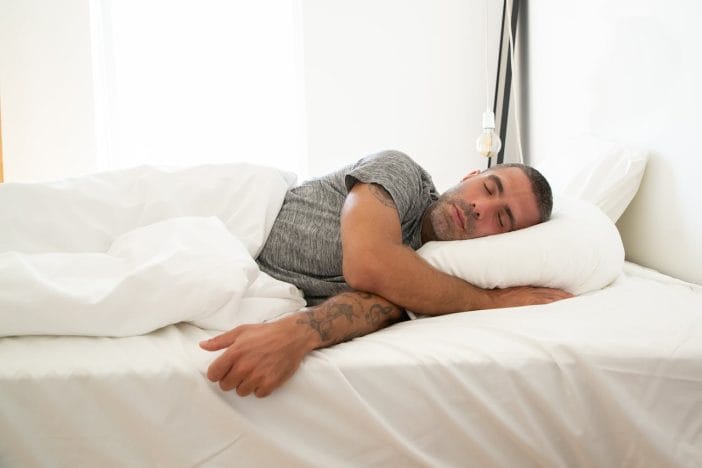
One of the biggest threats to a man’s heart after 40 doesn’t show up in the gym, the kitchen, or even at the doctor’s office. It shows up in the bedroom at night.
Obstructive sleep apnea doesn’t just ruin sleep. It strains the heart, spikes blood pressure, disrupts oxygen flow, and significantly increases cardiovascular risk. In men over 40, moderate to severe obstructive sleep apnea can double the risk of heart attack compared to men without it. That statistic should stop anyone in their tracks.
The Nighttime Breathing Disorder That Hits Men Hard
Obstructive sleep apnea, often shortened to OSA, occurs when throat muscles relax too much during sleep. The airway collapses or narrows, breathing stops for at least ten seconds, and oxygen levels drop. The brain senses the danger and jolts the body awake just enough to reopen the airway. That cycle can repeat dozens or even hundreds of times per night.
Men develop OSA more often than women, especially during middle age. Hormonal differences, fat distribution around the neck, and airway anatomy all play a role. After 40, weight gain and declining muscle tone can worsen airway collapse, making episodes more frequent and severe.
The numbers tell a sobering story. Studies estimate that moderate to severe OSA affects nearly one in four middle-aged men. Yet many men never receive a diagnosis because they chalk up symptoms to stress, aging, or a busy schedule. That blind spot carries real consequences.
Why Sleep Apnea Doubles Heart Attack Risk
Every time breathing stops during sleep, oxygen levels fall and carbon dioxide rises. The body responds with a surge of stress hormones such as adrenaline. Heart rate jumps. Blood pressure spikes. Blood vessels tighten. That pattern repeats over and over throughout the night.
Chronic stress hormone surges damage the lining of blood vessels and promote inflammation. OSA also increases insulin resistance and contributes to abnormal cholesterol patterns. Together, those changes accelerate atherosclerosis, the buildup of plaque in arteries that leads to heart attacks.
Large studies link untreated moderate to severe OSA with roughly double the risk of heart attack in men over 40. OSA also raises the risk of atrial fibrillation, stroke, and sudden cardiac death. When you stack those risks on top of existing factors like high blood pressure or diabetes, the danger multiplies fast.

The Red Flags Most Men Ignore
Snoring grabs attention first, especially when it rattles walls or triggers elbow nudges from a partner. But loud snoring alone doesn’t confirm sleep apnea. The real red flags include choking or gasping during sleep, waking with a dry mouth, morning headaches, and crushing daytime fatigue that caffeine can’t fix.
Men with OSA often struggle with concentration and memory. Some notice irritability or mood changes. Others see their blood pressure climb despite medication. Low testosterone and erectile dysfunction also show up more often in men with untreated sleep apnea, which surprises many people who assume those issues stem purely from aging.
The tricky part? Many men don’t remember waking up during the night because those awakenings stay brief. A partner often notices breathing pauses before the person with OSA does. If someone close to you reports that you stop breathing during sleep, treat that observation as serious medical information, not teasing.
Diagnosis Isn’t Complicated, But It Requires Action
Doctors diagnose obstructive sleep apnea through a sleep study. You can complete one in a sleep lab or, in many cases, at home with portable monitoring equipment. The test tracks breathing patterns, oxygen levels, heart rate, and sleep stages. From that data, clinicians calculate the apnea-hypopnea index, or AHI, which measures how many breathing interruptions occur per hour.
An AHI of five to fifteen indicates mild sleep apnea. Fifteen to thirty falls into the moderate range. Above thirty counts as severe. Heart risk rises sharply in the moderate and severe categories, particularly in men over 40 who already carry other cardiovascular risk factors.
Some men avoid testing because they fear inconvenience or bad news. That mindset costs more in the long run. A diagnosis gives you leverage. Without one, you leave your heart exposed night after night.
CPAP: The Gold Standard That Actually Works
Continuous positive airway pressure, better known as CPAP, remains the most effective treatment for moderate to severe OSA. The machine delivers steady air pressure through a mask, keeping the airway open during sleep. When used consistently, CPAP reduces apnea episodes, improves oxygen levels, lowers blood pressure, and decreases daytime sleepiness.
Research shows that men who use CPAP regularly can reduce cardiovascular risk compared to those who leave OSA untreated. The keyword there is regularly. Skipping nights undermines progress because the protective effect depends on consistent airway support.
Some men resist CPAP at first because the mask feels awkward. Modern machines run quietly, and mask designs have improved dramatically. If one style feels uncomfortable, a sleep specialist can adjust the fit or recommend alternatives. Think of CPAP as heart protection gear, not a nuisance.
Weight, Alcohol, and the Lifestyle Levers You Control
Excess weight stands as one of the strongest risk factors for OSA. Fat deposits around the neck increase airway narrowing during sleep. Even a 10 percent weight loss can significantly reduce apnea severity in many men. That doesn’t mean you need a dramatic transformation overnight. It means steady, realistic changes matter.
Alcohol deserves special attention. It relaxes throat muscles and worsens airway collapse. Drinking in the evening increases the frequency and duration of apnea episodes. Cutting back, especially within three hours of bedtime, can make a noticeable difference.
Regular exercise improves sleep quality, supports weight management, and enhances cardiovascular health. You don’t need extreme workouts. Brisk walking, resistance training, and consistent movement throughout the week build resilience. If you suspect sleep apnea, address it directly rather than hoping exercise alone will fix it, but combine medical treatment with lifestyle changes for the strongest impact.
Your Heart Deserves Better Than Broken Sleep
After 40, the body changes. Blood vessels stiffen, metabolism slows, and risk factors accumulate. Adding untreated obstructive sleep apnea to that mix places enormous strain on the heart. Ignoring loud snoring, gasping awakenings, and relentless fatigue doesn’t make them harmless.
You control more than you think. Schedule a sleep evaluation if warning signs show up. Commit to treatment if a doctor diagnoses OSA. Adjust weight, alcohol intake, and exercise habits with intention. Those steps don’t just improve sleep. They protect your heart muscle from nightly oxygen drops and stress surges that double heart attack risk.
If you or someone close to you snores loudly and struggles with daytime fatigue, how long will you wait before taking it seriously? We want to hear about it in the comments section below.
You May Also Like…
Experts Warn: This Overlooked Outage Step Can Burst Pipes While You Sleep
Why Tracking Sleep Beats Tracking Steps
6 Sleep Fixes That Restore Energy After 40
