
The Right to Repair Battle That Could Change How Cars Get Fixed
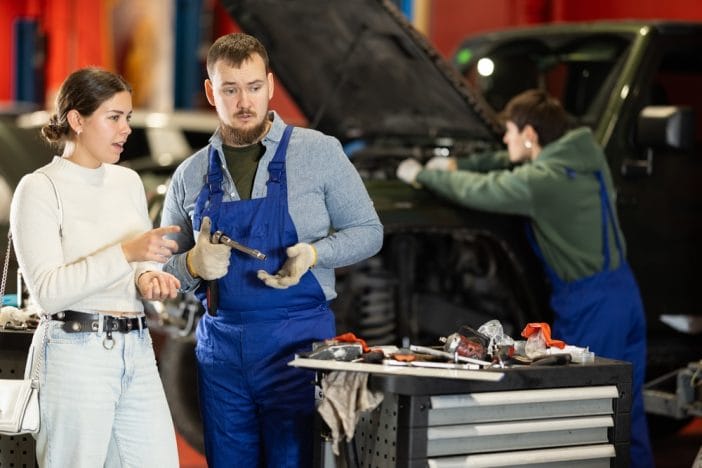
A quiet but fierce fight is unfolding in the automotive world, and the outcome could reshape how every vehicle on the road is repaired. Automakers increasingly rely on complex software, encrypted systems, and proprietary diagnostic tools, while independent repair shops and consumer advocates push back hard against restrictions that limit access to those tools. That tension fuels the growing right to repair movement, a campaign that argues vehicle owners deserve the freedom to fix their own cars or choose any mechanic they trust.
The stakes reach far beyond a simple oil change or brake replacement. Control over repair access now means control over billions of dollars in service revenue, along with the future of vehicle ownership itself.
Cars Turned Into Rolling Computers
Modern vehicles look like machines made of steel, rubber, and glass, yet software now runs nearly every critical function inside them. Engineers pack dozens of computer modules into a single vehicle, and those systems manage everything from fuel injection to advanced safety features. Even routine repairs often require specialized diagnostic tools that connect directly to the vehicle’s onboard computers.
That shift toward digital control created enormous convenience for manufacturers, but it also created new barriers for independent mechanics. Many automakers lock their diagnostic software behind expensive subscriptions or limit access entirely to authorized dealerships. When a warning light flashes on the dashboard, a neighborhood mechanic may struggle to retrieve the necessary data without manufacturer approval.
This new reality leaves vehicle owners in a frustrating position. A simple repair can turn into a dealership-only job, which often leads to higher costs and longer wait times. Supporters of the right to repair movement argue that the owner of a vehicle should control access to repair data, not the company that built the car.
A Grassroots Movement Gains Serious Momentum
The right to repair debate did not begin with cars. Farmers first raised alarms when manufacturers locked down modern tractors with software restrictions that prevented basic repairs without factory tools. Consumer electronics followed the same path, with smartphones and laptops becoming increasingly difficult to fix outside official service channels.
The automotive sector soon joined that pattern. Independent repair groups, small garage owners, and consumer advocates formed alliances to demand open access to vehicle diagnostics. Several organizations pushed state governments to consider legislation that would require automakers to share repair information and tools with independent mechanics.
Momentum continues to build as lawmakers in multiple states introduce similar proposals. Each bill raises the same fundamental question: who truly controls a vehicle after someone buys it?
Why Automakers Push Back
Automakers do not oppose the right to repair movement out of pure stubbornness. Security concerns sit at the center of their argument. Modern vehicles rely heavily on interconnected systems, and many manufacturers warn that open access to vehicle software could create new opportunities for hackers.
Companies also argue that safety systems demand careful oversight. Advanced driver assistance features, collision avoidance systems, and electronic braking modules rely on precise calibration. Automakers insist that trained technicians using manufacturer-approved tools protect drivers from dangerous mistakes.
Financial incentives also play a major role in the debate. Service and repair operations generate massive revenue for automakers and dealerships. Limiting repair access keeps that work within authorized networks, which protects profits and ensures consistent service standards.
Critics remain skeptical of those explanations. Independent repair advocates claim that manufacturers exaggerate security risks while quietly protecting a lucrative service monopoly. They point out that aviation, heavy equipment, and other industries already share repair information without sacrificing safety.
The Independent Mechanic’s Fight for Survival
Independent repair shops once served as the backbone of local automotive service. Skilled mechanics built loyal customer bases by offering affordable repairs and practical advice. The rapid rise of proprietary vehicle software now threatens that entire business model.
A small garage cannot easily purchase dozens of expensive manufacturer-specific diagnostic systems. Even when tools exist, manufacturers sometimes require costly licensing agreements that stretch beyond the budget of many independent shops. As a result, mechanics often encounter vehicles they cannot fully diagnose.
That limitation pushes customers toward dealerships, which can lead to higher repair bills. Independent shops argue that fair access to repair data would allow them to compete on equal footing while preserving the choice drivers have enjoyed for decades.
Some mechanics already invest heavily in advanced training and third-party diagnostic equipment to keep up with modern technology. Even so, gaps remain whenever automakers restrict critical software access. Many shop owners now view the right to repair movement as a fight for survival rather than a simple policy debate.

What Drivers Can Actually Do About It
Vehicle owners hold more influence in this debate than many people realize. Lawmakers often pay close attention to public pressure when considering consumer protection legislation. Supporting right to repair initiatives in local or state elections can directly shape the outcome of these policies.
Staying informed about repair options also makes a difference. Before purchasing a vehicle, buyers can research how easily independent mechanics can access diagnostic systems for that model. Some manufacturers maintain more open repair policies than others, which can affect long-term maintenance costs.
Routine maintenance also plays a role. Regular inspections, fluid changes, and preventative service reduce the need for complex repairs that require proprietary software tools. A well-maintained vehicle usually spends less time in situations where restricted diagnostic access becomes an issue.
Drivers can also support independent repair shops that invest in advanced diagnostic capabilities. Those businesses often advocate strongly for open repair laws while continuing to upgrade their technology to serve customers better.
The Road Ahead for the Right to Repair
The right to repair debate will not disappear anytime soon. Vehicles continue to evolve rapidly, especially with the rise of electric cars, connected services, and over-the-air software updates. Each new layer of technology introduces fresh questions about who controls repair access.
Lawmakers, automakers, and consumer groups will likely continue wrestling with those questions for years. Some compromises may emerge through standardized repair platforms or expanded licensing agreements that give independent shops broader access to diagnostic data. Other battles may play out in courtrooms as companies challenge new repair laws.
The ultimate outcome will shape how people interact with their vehicles for decades. Open repair access could preserve competition among mechanics and keep maintenance costs in check. Tight restrictions could push the industry toward dealership-dominated service networks.
What direction should the industry take when technology and ownership collide? If you have some thoughts on this, we want to hear about them in the comments.
You May Also Like…
Smart Automotive Choices That Can Lower Your Long-Term Vehicle Costs
Why Vehicle Recalls Are Spiking and Which Cars Are Most Affected in 2026
10 Vintage Cars That Pay Off Big When Restored
These Everyday Driving Habits Are Quietly Destroying Cars Before Dash Warnings
