
The Real Reason Marriage Doesn’t Hold the Same Meaning Anymore
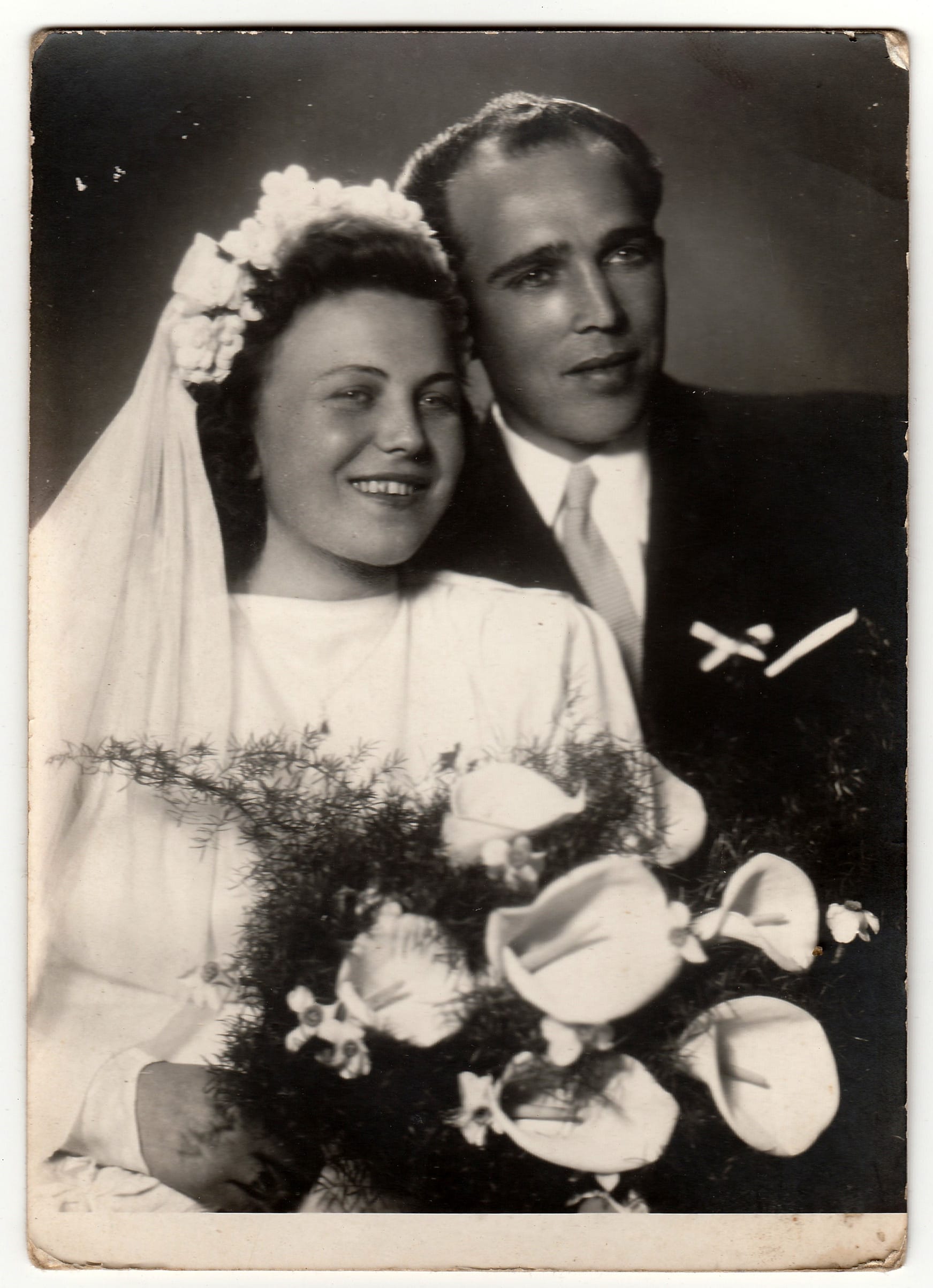
There was a time when marriage was considered the ultimate milestone, the defining mark of adulthood and stability. But today, more couples are waiting longer to marry, or skipping it altogether, and fewer people see it as a lifelong necessity. Social expectations have shifted, economic realities have changed, and emotional needs look different in a world where independence is often prized over tradition. The idea of “happily ever after” hasn’t disappeared; it’s just evolved. Here’s why marriage doesn’t hold the same meaning it once did, and what that says about love in modern society.
Independence Has Replaced Obligation
In the past, marriage was often a social or financial obligation, especially for women. It provided security, status, and structure in a world where independence wasn’t always an option. Today, those dynamics have flipped, and people can build successful lives, careers, and homes without a partner. This newfound independence means marriage is now a choice, not a requirement. When you remove obligation from the equation, love becomes something people pursue for fulfillment rather than survival, changing the meaning of commitment entirely.
Financial Realities Are Redefining Commitment
Economic pressures have made marriage more complex than romantic. Millennials and Gen Z face record student debt, high housing costs, and career instability, all factors that make the financial weight of marriage less appealing. Many couples now live together or share expenses without feeling the need to legalize their bond. For others, weddings and rings feel like unnecessary expenses in an already expensive world. Love is still valuable, but for many, the idea of tying it to legal paperwork feels outdated in the face of financial uncertainty.
Gender Roles No Longer Define Relationships
Traditional gender roles once gave marriage its structure: the man provided, the woman nurtured, and together they fulfilled a social expectation. But as equality has expanded, those rigid boundaries have blurred. Today, both partners often work, share household responsibilities, and make decisions together. Marriage is no longer about division of labor. It’s about emotional connection and mutual respect. This shift has made marriage more emotionally balanced but also more challenging, since it requires continuous negotiation instead of predefined roles.
Technology Has Changed How We Find (and Maintain) Love
Dating apps, social media, and instant communication have fundamentally altered how people connect. The abundance of options means that relationships are often seen as flexible, replaceable, and less permanent. Technology makes it easier to meet people, but also easier to leave them. The constant exposure to new possibilities can create “grass is greener” thinking that undermines long-term commitment. In a world where everything feels temporary, even marriage struggles to feel permanent.
Divorce Is No Longer a Scarlet Letter
Once upon a time, divorce carried a heavy stigma. Couples stayed together “for the kids” or to maintain appearances, even if they were deeply unhappy. Today, society views leaving an unfulfilling marriage as a sign of strength, not failure. That cultural acceptance has changed how people approach marriage from the start. They enter it knowing they can walk away if it stops serving them. While that flexibility can be empowering, it also erodes the sense of permanence that once defined marriage.
Emotional Needs Have Outgrown Traditional Frameworks
Modern relationships prioritize emotional compatibility, shared values, and personal growth, all things that weren’t always part of the marital equation decades ago. People now expect their partners to be best friends, lovers, and emotional anchors all in one, a level of pressure that marriage wasn’t built to handle. When those expectations aren’t met, couples often feel disillusioned. The meaning of marriage has shifted from practicality to perfection, and that’s a tall order for any partnership. Love, not longevity, has become the new measure of success.
Cultural Diversity Has Expanded Perspectives
As globalization brings cultures closer, people are exposed to different ways of viewing relationships. In many societies, partnerships outside marriage (like cohabitation or long-term companionship) are just as valid as traditional unions. Younger generations are blending cultural influences, mixing modern ideals with respect for heritage. The result is a more fluid definition of what commitment looks like. Marriage is no longer the universal symbol of love; it’s one option among many ways to build a meaningful life.
Happiness No Longer Depends on a Spouse
Perhaps the biggest shift of all is how people define happiness. In previous generations, being single past a certain age was viewed as a failure; now, it’s often seen as a choice. Men and women alike are embracing personal fulfillment (travel, self-care, and independence) without needing marriage to validate their worth. This change doesn’t mean people love less; it means they value themselves more. The pursuit of happiness has moved inward, not outward, and marriage is no longer its default destination.
The Evolution of Love and What It Means Today
Marriage hasn’t lost its meaning; it’s simply changed form. For many, it’s now about partnership, equality, and shared growth rather than obligation or status. Others find fulfillment outside its framework, building love on their own terms. What was once a lifelong contract has become a personal choice, reflecting how society continues to redefine success and happiness. The real meaning of marriage today lies in freedom, the freedom to choose love without losing yourself in it.
Do you think marriage has lost its meaning, or simply evolved with the times? Share your thoughts in the comments below.
What to Read Next
- 10 Relationship Habits That Slowly Destroy Trust in Marriages
- 8 Household Repairs That Test a Man’s Patience More Than Marriage
- Why Moving In Together After 60 Has More Financial Risks Than Marriage
- Why So Many Men Lose Houses in Second Marriages
- 8 Hidden Factors That Make a Marriage Last Longer Than Sweet Words
