
The “Pothole” Scams Cities Use to Avoid Paying for Your Car Damage
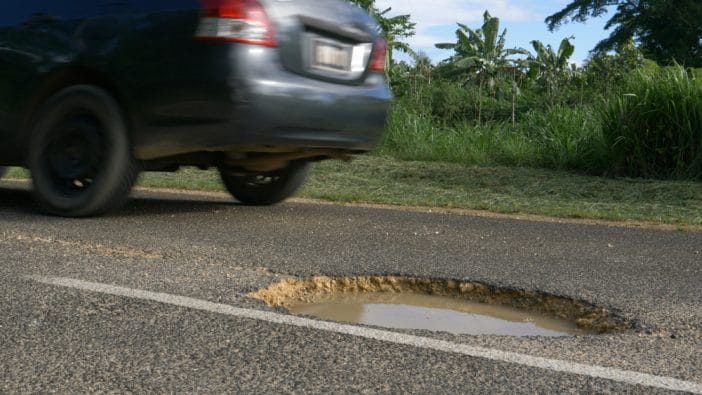
Cities will let potholes swallow your suspension, and then they will turn the aftermath into a bureaucratic obstacle course that feels designed to wear you down before you ever see a dime.
Drivers file claims, gather receipts, and follow every rule, only to watch the city shrug and say the road didn’t fail—you did. The whole process feels like a game you never agreed to play, and the house always wins. The truth sits in the fine print, buried under legal language and technicalities that shift responsibility away from the people who maintain the roads and onto the people who pay for them.
The Liability Loophole Cities Lean On
Cities don’t deny pothole claims because they lack sympathy; they deny them because the law gives them a wide, comfortable shield. Most municipalities only accept responsibility when they had prior notice of a pothole and failed to fix it within a “reasonable” timeframe. That sounds fair until you realize how impossible that standard becomes in practice.
A pothole can open overnight, expand within hours, and damage dozens of cars before anyone reports it. Cities then argue they had no documented notice, so they owe nothing. The loophole protects them from nearly every claim, and they rely on it because it works. Drivers pay repair bills while cities point to policy language that absolves them of responsibility.
The “Reasonable Time” Rule That Never Favors Drivers
Even when someone reports a pothole, cities often claim they didn’t have enough time to fix it before your car hit it. The definition of “reasonable time” varies, but it usually stretches long enough to cover almost any delay.
Public works departments juggle staffing shortages, weather constraints, and budget limitations, and they use those factors to justify slow response times. Meanwhile, drivers hit the same crater day after day, wondering how long a city needs to fill a hole the size of a small crater. The rule doesn’t measure urgency from the driver’s perspective; it measures it from the city’s.
The Burden of Proof That Falls Entirely on You
Cities require drivers to prove the pothole caused the damage, and they don’t make it easy. They want photos, timestamps, repair invoices, and sometimes even mechanic statements linking the damage directly to the impact.
Even then, they often argue that the evidence doesn’t meet their standard. A driver might know exactly what happened, but the city wants documentation that most people don’t think to gather in the moment. After all, nobody climbs out of their car on a busy road to photograph a pothole while traffic barrels past. The burden of proof sits entirely on the driver, and cities rarely bend that rule.
The Claims Process That Drains Your Patience
Filing a pothole claim feels like entering a maze with no exit. Cities require specific forms, strict deadlines, and detailed documentation, and they reject claims for the smallest technical error. Miss a date, forget a receipt, or fail to describe the location precisely enough, and the claim disappears into the void.
Even when everything looks perfect, the review process drags on for weeks or months. Cities know most people won’t fight a denial, and they structure the process in a way that encourages people to give up. The system doesn’t just deny claims—it exhausts the people filing them.
The Budget Excuse That Never Seems to Change
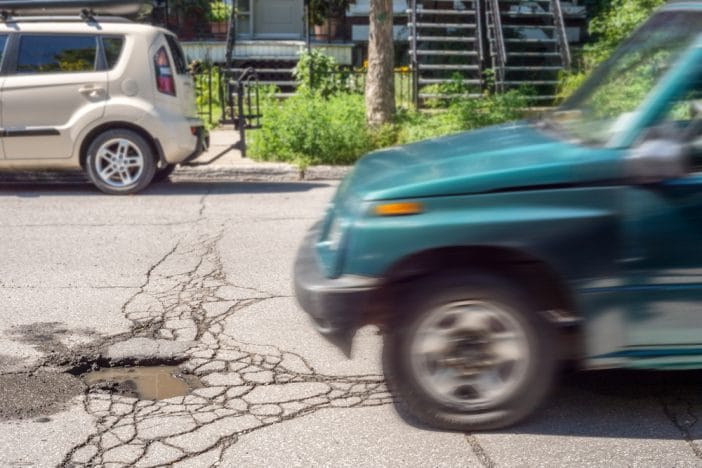
Cities often cite budget constraints when explaining why potholes linger for weeks or months. Winter weather, freeze-thaw cycles, and heavy traffic all contribute to road deterioration, and maintenance crews can’t keep up. Those factors are real, but they don’t explain why cities continue to underfund road repair year after year.
Drivers pay taxes expecting safe roads, yet they navigate obstacle courses that damage tires, wheels, and suspension systems. When claims roll in, cities point to limited resources as justification for slow repairs and denied reimbursements. The cycle repeats every year, and drivers absorb the cost.
The Steps Drivers Can Take to Protect Themselves
Drivers can’t eliminate potholes, but they can reduce the financial fallout. Documenting damage immediately helps build a stronger claim, even if the odds remain low. Taking photos of the pothole, the location, and the damage creates a clearer record. Reporting potholes through official channels increases the chance of future claims being approved, even if it doesn’t help the current one.
Checking tire pressure regularly, avoiding puddles that might hide deep holes, and slowing down on rough roads all reduce the risk of severe damage. None of these steps guarantees protection, but they shift the odds slightly in the driver’s favor.
What Cities Hope You Don’t Notice
Cities don’t run a scam in the criminal sense, but they operate a system that protects their budgets at the expense of the people who fund them. The rules favor municipalities, the claims process discourages persistence, and the legal standards make reimbursement rare. Drivers pay for road maintenance through taxes, then pay again when the roads fail.
What part of the pothole claims process frustrates you the most, and have you ever actually received reimbursement for damage? Talk about your driving misadventures in our comments section.
You May Also Like…
5 Signs Your Car’s Suspension Is Ruined from Potholes
10 Vintage Cars That Pay Off Big When Restored
6 Things Mechanics See in Late Winter That Signal a Totaled Car
9 Noises That Mean Stop Driving Immediately
Car Batteries Fail Most Often in Late Winter — Here’s What Drivers Overlook
