
The Pickup Trucks Now Labeled “High-Risk” by Insurance Companies
Ever gotten sticker shock when browsing insurance quotes for a pickup? Turns out, some trucks are flagged as “high risk” by insurers—and that means steeper premiums, tougher claims, and sometimes fewer options. Knowing which pickups get red-flagged (and why) can help you make smarter choices—whether you’re buying, insuring, or just want to avoid surprises. This article walks through what makes a truck high risk, which models and features are commonly involved, and what you can do if your beast of burden is dragging your insurance costs up.
What Makes Pickup Trucks High Risk in Insurance Eyes
Insurance companies classify pickup trucks as high risk for several reasons—and often it’s not just one issue but a mix that drives up the premiums. Heavier weight and greater power mean a truck can inflict more damage in collisions, raising liability risks. Trucks used for towing, hauling, or work can see more wear, more mileage, and more exposure to risky situations. Modifications (lift kits, oversized tires, flashy lighting, etc.) tend to increase repair costs or reduce safety, adding to insurer concern. Finally, theft rates for certain models or in particular regions can make some trucks a target—and insurers build in those risks.
1. Models Often Flagged as High-Risk
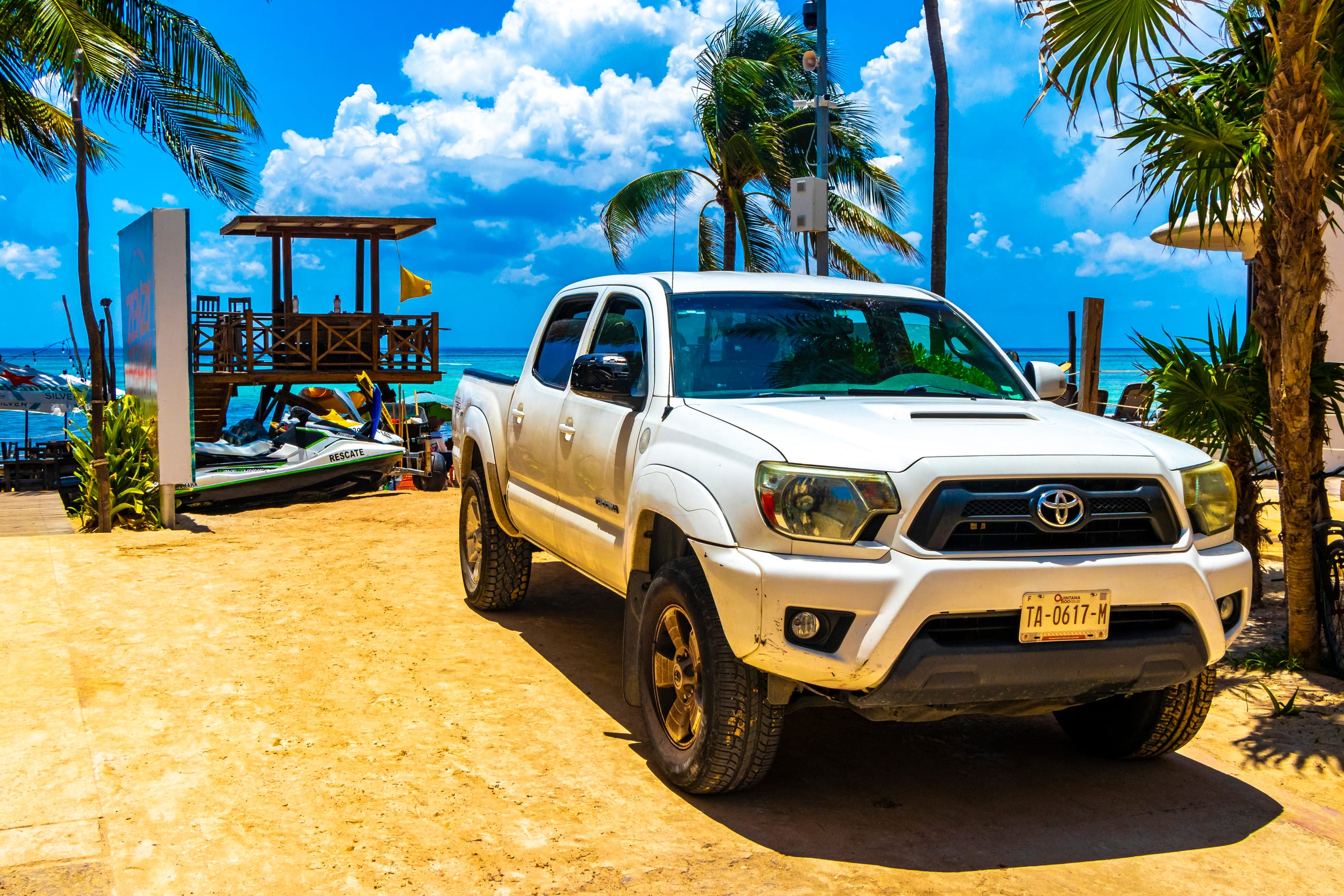
Certain pickup truck models consistently pop up in reports of high insurance costs. For example, heavy-duty trucks like the Ford F-250, Ram 2500/3500, and large-duty-class GMC Sierra 2500HD are often flagged because of high repair costs and greater accident liability. The Toyota Tacoma also comes up repeatedly—not because it’s unsafe generally, but due to its high theft rate, off-road use, and parts/repair cost. The Nissan Titan is another model insurers cite as expensive to repair and maintain, which drives up the cost of ownership. Plus, models like the Ram 1500 TRX are especially pricey: high performance + costly mechanical components = high risk on paper.
2. Features & Usage That Push Pickups Into High-Risk Zone
It’s not always the make or model—it’s what you do with the truck and how it’s built. If you tow heavy trailers often, carry loads frequently, or drive off paved roads, that usage profile makes insurers uneasy. Aftermarket modifications like lifted suspension or oversized wheels, custom bumpers, or non-standard lighting gear are common risk factors. Also, trucks without modern safety tech—automatic braking, lane-keep assist, pedestrian detection—often cost more to insure. Lastly, the location (urban vs rural), frequency of use, and whether the truck is used for business vs. personal use all matter heavily.
3. How Insurance Costs Vary by Pickup Truck Type
Full-size and heavy-duty pickups are more likely to be high risk than midsize or compact trucks, largely because of their size, power, and repair costs. For example, heavy cargo bed, dual rear wheels, or diesel powertrains tend to raise costs both in terms of insurance and fuel/maintenance. Medium-duty or smaller pickups like the Ford Ranger or Maverick often come with lower premiums compared to big-duty models. Trucks that are newer tend to be more expensive to repair (parts, tech), which raises insurance, but older trucks may lack safety tech or have worn parts, so there’s a balance. Also, electric or hybrid pickups can be costly simply due to battery or specialized component replacements.
4. Regional & Demographic Factors That Make a Difference
Where you live plays a huge role in whether your pickup is considered high risk. Theft-prone areas, cities with high traffic density, or regions with extreme weather (snow, hail, flooding) tend to push insurance rates higher. Demographics of drivers also matter: younger drivers, frequent commuters, people with prior claims—all tend to have higher premium risk. States with stricter vehicle safety laws or emissions/inspection requirements may force owners to maintain or retrofit trucks at extra cost. Even your ZIP code within a city can change insurance costs significantly.
5. What Buyers & Owners Can Do to Avoid Being Seen as High Risk
You might not be able to change what you drive, but you can influence how expensive it is to insure. First, choose trucks with robust safety features (AEB, blind-spot warnings, etc.), because insurers often give discounts for them. Keep your truck in good repair, avoid excessive modifications, and use proven OEM parts. Limit usage for high-risk tasks (heavy towing, off-roading) if not necessary for your lifestyle. Shop around: different insurers evaluate “pickup trucks” differently, so quotes vary. Finally, maintain a clean driving record—fewer tickets or accidents over time help reduce your high-risk label.
What This Means for Truck Owners
Pickup trucks flagged as high risk aren’t just about flash or size—it’s about how the truck is used, where it’s driven, and how it’s set up. If you’re shopping for a new pickup, knowing which models and features insurers dislike can help you avoid future headaches. For those already owning one, small changes—better safety gear, careful usage, avoiding high-crime areas—can make a big difference in your insurance costs. Insurance is all about risk assessment, and pickups come with more variables. The more you can reduce unknowns, the less likely your truck is going to be hit with “high-risk” premiums.
Have you recently bought (or considered) a pickup truck and noticed your insurance premiums spiking unexpectedly? What model or feature surprised you the most—and what adjustments (or negotiations) helped lower the risk? Share your story in the comments.
