
The “No-Tech Car” Trend: Drivers Are Rejecting Screens and Sensors

The dashboard used to feel like a cockpit. Now it often feels like a tablet glued to a steering wheel. That shift sparked a quiet rebellion, and it keeps gaining momentum. Drivers across the spectrum have started pushing back against screens, sensors, and endless digital layers that promise convenience but often deliver distraction.
The “no-tech car” trend doesn’t just whisper nostalgia. It shouts intention. People want control back in their hands, not buried in menus or hidden behind software updates. This movement isn’t about rejecting progress. It’s about reclaiming the driving experience and deciding what actually matters behind the wheel.
The Touchscreen Takeover Finally Hits a Wall
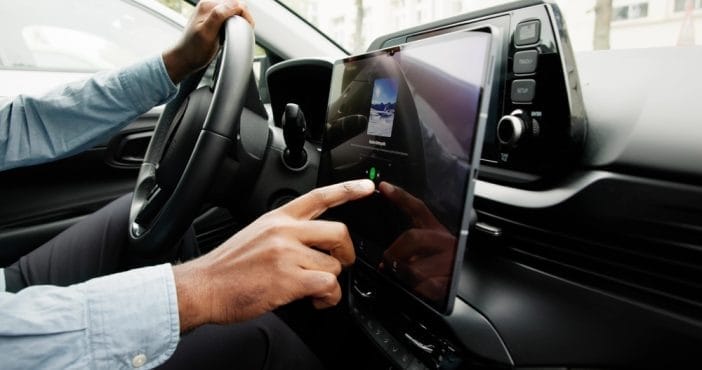
Automakers spent the last decade racing to outdo each other with bigger screens and more digital features. Massive displays stretched across dashboards, replacing buttons and knobs that drivers once used without thinking. At first glance, those upgrades looked sleek and futuristic, but reality hit once drivers started using them every day.
Touchscreens demand attention in a way physical controls never did. Adjusting the temperature or changing the radio station suddenly requires navigating menus instead of instinctive muscle memory. That shift pulls focus away from the road, and safety experts have raised concerns about distraction levels increasing with more screen dependency. Studies from organizations like AAA have shown that complex infotainment systems can significantly increase cognitive load, even when performing simple tasks.
Drivers have started noticing that inconvenience. Complaints about laggy systems, confusing layouts, and glitchy software have become common across forums and reviews. A touchscreen that freezes during a drive doesn’t just frustrate—it disrupts the entire experience. That frustration builds over time, especially when something as simple as turning on heated seats turns into a multi-step process.
Automakers have started paying attention. Some brands have begun reintroducing physical controls for key functions after facing criticism. That shift signals something important: the industry may have pushed too far, too fast. Drivers didn’t ask for cars to feel like smartphones, and now they’re making that clear. The “no-tech car” trend feeds directly off that fatigue. It doesn’t demand zero technology, but it pushes for a smarter balance. Drivers want tools that work instantly, without fuss, and without stealing attention from the road ahead.
Simplicity Feels Like Luxury
Luxury used to mean more features, more buttons, and more complexity. That definition has started to flip. Today, simplicity feels premium in a way that surprises even longtime car enthusiasts. A clean dashboard with intuitive controls delivers a sense of calm that overloaded interiors simply can’t match. This shift connects deeply with how people experience stress in everyday life. Phones buzz constantly, apps demand attention, and digital overload creeps into every corner of daily routines. When drivers step into a car, they don’t always want another screen fighting for their focus. They want a break.
Minimalist car interiors deliver that escape. Clear gauges, tactile controls, and uncluttered layouts create an environment where driving feels intentional again. Every action becomes direct and satisfying, from adjusting airflow to tuning the radio. That physical interaction builds a connection between driver and machine that software can’t replicate.
Car enthusiasts have leaned into this idea for years, but now it’s spreading to a wider audience. Even people who never cared about cars have started appreciating the difference. Simpler vehicles feel less overwhelming, especially for those who don’t want to learn a new interface every time they get behind the wheel.
Manufacturers have started experimenting with this balance. Some models now offer pared-down trims that reduce digital clutter, focusing on core functionality instead of endless customization. That approach doesn’t reject innovation—it refines it. It keeps what works and cuts what doesn’t.
Reliability Beats Flashy Features Every Time
Technology promises convenience, but it also introduces new points of failure. Drivers have learned that lesson the hard way as modern vehicles grow more dependent on software. When systems crash, updates fail, or sensors misread conditions, the entire driving experience can unravel quickly. Older, simpler systems rarely caused that kind of disruption. Mechanical controls tend to fail less often and offer clearer feedback when something goes wrong. A broken knob or switch feels easier to diagnose than a frozen interface buried behind layers of code. That reliability factor plays a major role in the “no-tech car” movement.
Repair costs also enter the conversation. Advanced driver-assistance systems rely on cameras, radar, and sensors that require precise calibration. Even minor accidents can lead to expensive repairs because those systems need recalibration to function correctly. Insurance costs often rise alongside that complexity, adding another layer of concern for drivers.
People have started weighing those trade-offs more carefully. A car loaded with features might look impressive on paper, but long-term ownership tells a different story. Simpler vehicles often cost less to maintain and repair, making them more appealing for practical reasons.
That doesn’t mean drivers want unsafe cars. Safety features like airbags, anti-lock brakes, and stability control remain essential and widely accepted. The pushback focuses more on excessive layers of automation that don’t always improve real-world driving. Drivers want confidence, not confusion.
Driving Becomes an Experience Again
Somewhere along the way, driving started feeling like a background task. Automation stepped in, and technology handled more of the work. While that shift brought convenience, it also dulled the sense of engagement that many drivers once enjoyed. The “no-tech car” trend flips that script. It puts the driver back at the center of the experience, where decisions and actions matter. Steering feels more direct, controls respond instantly, and the road demands attention in a way that keeps drivers present.
That level of engagement appeals to a wide range of people. Enthusiasts enjoy the connection, but everyday drivers also appreciate the clarity. Without constant alerts, warnings, and digital noise, the drive feels more focused and less overwhelming.
This shift doesn’t ignore modern needs. Many drivers still rely on navigation, music streaming, and connectivity. The key lies in how those features integrate into the experience. Simpler setups that support smartphones without dominating the dashboard strike a balance that many find appealing.
Car culture has started reflecting this change. Interest in older models, analog designs, and manual transmissions has grown in recent years. Even newer cars that embrace simplicity have started gaining attention for offering something different in a crowded market.
The Road Ahead Looks Surprisingly Analog
The “no-tech car” trend doesn’t signal the end of innovation. It signals a shift in priorities. Automakers will likely continue developing advanced systems, but they will need to rethink how those features fit into the driving experience. Some brands have already started adjusting. Physical controls have returned in certain models, and user interfaces have become more streamlined. That evolution shows that the industry listens when drivers push back strongly enough.
For anyone considering a new car, this trend opens up interesting choices. Paying attention to layout, usability, and long-term reliability can make a huge difference. Test drives should focus not just on performance, but on how intuitive the controls feel and how distracting the tech might become over time.
This trend raises an important question about what driving should feel like in the future. Should cars continue evolving into rolling computers, or should they preserve the human connection that made driving enjoyable in the first place?
What kind of driving experience actually feels right—one filled with screens and automation, or one that puts control back where it belongs? Drop your thoughts, ideas, or even your dream “no-tech” setup in the comments and keep the conversation rolling.
You May Also Like…
The Right to Repair Battle That Could Change How Cars Get Fixed
5 Harmless Driving Habits That Could Cost You Your License
Performance Software Solutions for Everyday Driving
Why Cold Weather Is Driving Stress Test Failures in Men Over 55
Automotive Industry Economics: Small Service Costs and Massive Global Markets
