
The “IRS Agent” Phone Call That Is Actually a Phishing Scam
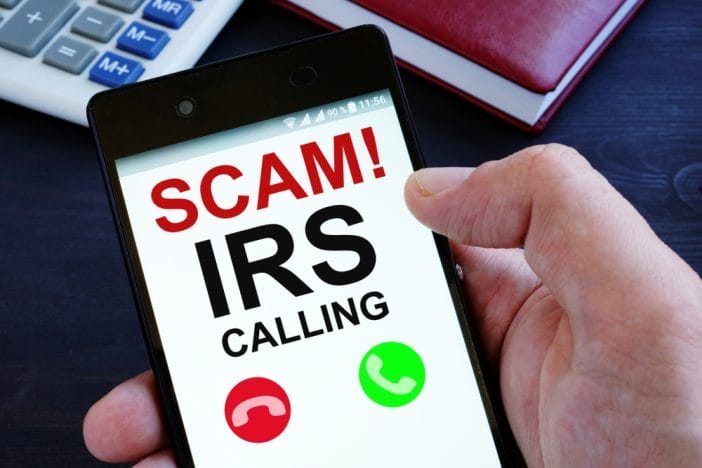
Unfortunately, the so-called “IRS agent” phone call scam has become one of the most persistent and psychologically clever fraud tactics in circulation, not because it’s sophisticated technology, but because it exploits something deeply human: fear, authority, and the instinct to react before thinking.
This scam doesn’t rely on flashy hacking tricks or elite cyber skills—it relies on storytelling, pressure, and a voice on the other end of the line that sounds just official enough to make your pulse spike. Really knowing how this scam works is personal armor in a world where digital threats don’t always look digital.
The Anatomy of a Fake Authority Figure
The genius of the fake IRS call isn’t in the script itself—it’s in the performance. Scammers often use formal language, badge numbers, case IDs, and pseudo-legal phrasing to create the illusion of legitimacy, even though none of it is verifiable. The call usually presents an immediate threat, often involving unpaid taxes, legal action, frozen assets, or arrest, because urgency shuts down critical thinking faster than almost anything else. Once panic sets in, the scammer controls the emotional temperature of the conversation, guiding the victim away from logic and toward compliance.
What makes this particularly effective is the choice of authority. The IRS is a powerful symbol, not because people understand it deeply, but because it represents consequences. Taxes are complicated, intimidating, and easy to feel uncertain about, which makes people more vulnerable to believing they’ve made a mistake they don’t fully understand. The scam turns a complicated system into a weaponized narrative that pressures people into acting quickly instead of thinking carefully.
Why This Scam Still Works in a Smart Tech World
It’s tempting to assume scams only work on people who aren’t tech-savvy, but that belief doesn’t match reality. Intelligence and education don’t eliminate emotional reactions, and fear doesn’t care how smart you are. These calls succeed because they don’t target knowledge gaps; they target psychological reflexes. The moment someone feels threatened by authority, their brain switches into defense mode, not analysis mode.
There’s also the issue of information overload. People are constantly dealing with passwords, bills, subscriptions, forms, alerts, and notifications, which creates a kind of mental exhaustion. In that environment, a call claiming to be official feels like just another administrative crisis in a never-ending stream of obligations. The scam blends into the noise of modern life, which makes it harder to recognize as a threat.
What the Real IRS Actually Does (And Doesn’t Do)
One of the most powerful defenses against this scam is knowing how the real IRS operates. The IRS does not initiate contact by phone to demand immediate payment, threaten arrest, or ask for sensitive information like Social Security numbers, credit card details, or bank account numbers over the phone. Real tax communication starts with official mail, not urgent calls, and it comes with documentation, not verbal threats.
They also do not demand payment through gift cards, wire transfers, cryptocurrency, prepaid debit cards, or third-party payment apps. Those methods are a giant red flag, because they’re designed to be difficult to trace and impossible to reverse. The IRS uses formal payment systems, not retail gift cards and digital wallets.
Smart Habits That Shut Scammers Down Fast
The best response to these calls isn’t confrontation or argument—it’s disengagement. Hanging up is not rude, and it’s not irresponsible. It’s the safest possible move. Real agencies don’t conduct business through intimidation, and they don’t punish people for verifying information independently.
A smart habit is refusing to give any personal information to unsolicited callers, no matter how convincing they sound. Another is verifying claims through official channels, using numbers from legitimate websites rather than anything provided in the call. Even better, let unknown calls go to voicemail and evaluate them calmly instead of reacting in real time.
This Isn’t Just About One Scam
The fake IRS call is just one branch of a much larger ecosystem of social engineering scams. The tactics are reusable, adaptable, and constantly evolving. Today it’s the IRS. Tomorrow it’s healthcare, banking, utilities, or tech support. The structure stays the same: authority, urgency, fear, and compliance.
What changes is the costume. Scammers rotate identities the way actors change roles, always choosing figures that feel powerful, official, and intimidating. Understanding the psychology behind the scam is more valuable than memorizing the script, because it prepares you for whatever version comes next.
The Power Move in a Fake Crisis
The real flex in a fake IRS call isn’t proving them wrong or exposing them—it’s refusing to play the game at all. No engagement. No emotional reaction. No compliance. Just a clean break and a smarter mindset moving forward. When people stop reacting and start recognizing patterns, scams lose oxygen.
What do you think is the most convincing scam tactic out there right now—and why does it work so well on people? Share your thoughts in the comments.
You May Also Like…
The “Sweetheart” Tax Scam Targeting Single Fathers in 2026
Scammers Are Copying Your Bank’s Fraud Alerts — Here’s How to Spot the Fake
Facebook Romance Scam Is Targeting Widowed Men—And It’s Spiking This Month
