
Homeowners Beware: This Ice Dam Loophole Lets Insurers Deny Your Winter Damage Claim
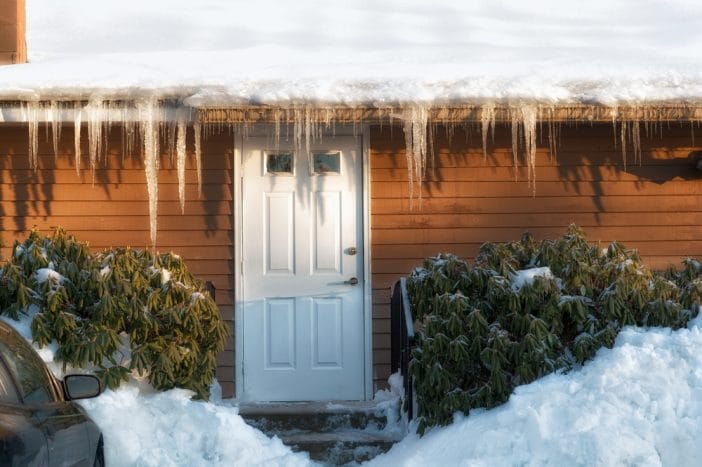
Ice dams look innocent at first—just a ridge of ice sitting quietly along your roofline, sparkling in the winter sun like a postcard scene. But behind that frozen beauty hides one of the most frustrating, expensive, and misunderstood homeowner nightmares out there. Every year, homeowners discover water damage, ceiling stains, warped walls, and mold after ice dams trap melting snow and force water back into their homes. Then comes the shock: the insurance claim that seemed obvious suddenly gets delayed, reduced, or flat-out denied.
The problem isn’t just the ice dam itself—it’s the fine print in your policy and how insurers classify the damage. Knowing this loophole before winter hits can be the difference between a covered repair and a five-figure out-of-pocket disaster.
When Ice Isn’t the “Real” Problem in Insurance Language
Here’s the sneaky part most homeowners never see coming: insurance companies often don’t treat ice dams as the actual cause of damage. Instead, they classify the damage as water intrusion, seepage, or maintenance-related issues. Many standard homeowners’ policies cover sudden and accidental water damage, but exclude long-term seepage, poor maintenance, or preventable conditions.
That distinction matters because insurers may argue that ice dams form due to inadequate insulation, poor ventilation, or clogged gutters rather than a covered peril. In simple terms, they say the ice is just the symptom, not the cause. Once the damage gets labeled as “maintenance-related,” coverage can shrink fast or disappear entirely. This technical wording creates the loophole that turns a winter accident into a denied claim.
The Policy Language That Quietly Changes Everything
Most homeowners never read the section of their policy that defines exclusions, limitations, and conditions, but that’s where the ice dam problem lives. Many policies exclude damage caused by repeated freezing and thawing, long-term moisture exposure, or structural defects that allow water to enter. If an adjuster determines the water intrusion happened gradually rather than suddenly, your claim can fall outside coverage.
Even if ice dams triggered the damage, insurers may argue that poor roof design, worn shingles, or blocked drainage created the conditions for the problem. This isn’t about accusing homeowners of neglect—it’s about how policies interpret cause and responsibility. That technical language gives insurers legal room to deny or reduce claims without breaking any rules.
Why Claims Get Approved for Some Homes and Denied for Others
Two houses on the same street can suffer the same ice dam damage and get completely different insurance outcomes. One claim gets approved, while the other gets denied, and it feels wildly unfair. The difference usually comes down to documentation, timing, and how the damage is classified. If the damage appears sudden and clearly linked to a specific event, insurers are more likely to cover it.
If the damage looks like it developed over time, the claim becomes vulnerable. Even small details like how quickly the homeowner reported the damage or how it was described can influence the outcome. In many cases, wording matters as much as the damage itself.
The Hidden Role of Maintenance in Claim Decisions
Insurance companies expect homeowners to take reasonable steps to prevent predictable damage. Ice dams often fall into a gray zone because they’re partly weather-driven and partly preventable. Insufficient attic insulation, poor ventilation, clogged gutters, and uneven roof temperatures all increase ice dam risk.
When adjusters see these factors, they may label the damage as preventable rather than accidental. That classification can reduce payouts or eliminate coverage entirely. The frustrating part is that many homeowners never knew these factors mattered for insurance purposes. Prevention isn’t just about protecting your house—it’s also about protecting your claim.
How to Protect Yourself Before the Damage Happens
The smartest move is prevention combined with documentation. Improve attic insulation, seal air leaks, and ensure proper roof ventilation to keep roof temperatures consistent. Keep gutters clean so melting snow can drain properly instead of refreezing at the roof edge. Use roof rakes after heavy snowfall to reduce snow buildup before ice dams form. Take photos of your roof and attic conditions before winter to document maintenance efforts.
If damage does happen, document everything immediately, report it quickly, and describe the event clearly as sudden water intrusion rather than gradual seepage. These small steps strengthen your position long before a claim ever gets filed.
What to Do If Your Claim Gets Denied
A denial doesn’t have to be the end of the road. Ask for the exact policy language used to justify the decision and request a written explanation. Get an independent contractor or inspector to document the cause of damage and provide a professional assessment. If necessary, file an appeal with your insurer using that documentation.
Many homeowners successfully reverse denials when they provide clearer evidence and stronger reports. You can also consult a public adjuster who works for homeowners, not insurance companies. Sometimes, the difference between denial and payout is simply how the damage gets classified.
Why Ice Dams Are a Financial Risk, Not Just a Winter Problem
Ice dams aren’t just a seasonal inconvenience—they’re a financial risk hiding in plain sight. The damage they cause often spreads silently through insulation, drywall, framing, and electrical systems. Repair costs climb quickly, especially when mold or structural issues develop.
When insurance doesn’t fully cover those repairs, homeowners absorb the loss. That’s why understanding the loophole matters as much as understanding the ice itself. Knowledge becomes your best form of protection.
The Real Lesson Every Homeowner Should Know
Ice dams teach a hard truth about insurance: coverage depends on definitions, not just damage. Policies don’t protect against everything, even when the cause feels obvious and natural. Preparation, documentation, and awareness create financial protection that insurance alone cannot guarantee. A little prevention can save thousands later. The smartest homeowners don’t just shovel snow—they plan for policy language, too.
Have you ever filed a claim that shocked you with a denial or reduced payout, and what did you learn from the experience? Share your experiences in the comments below.
You May Also Like…
3 Smart Money Tips for Prospective Homeowners
Dream House Disappointment: Why Homeownership Isn’t Always Worth It
Home Inspectors Alert: This Common DIY Fix Is Now the Fastest Way to Void Your Home Insurance
Insurance Adjusters: These 6 Backyard Projects Are Now Considered “High Risk”
