
The Health Tests Every Man Should Get Before 40
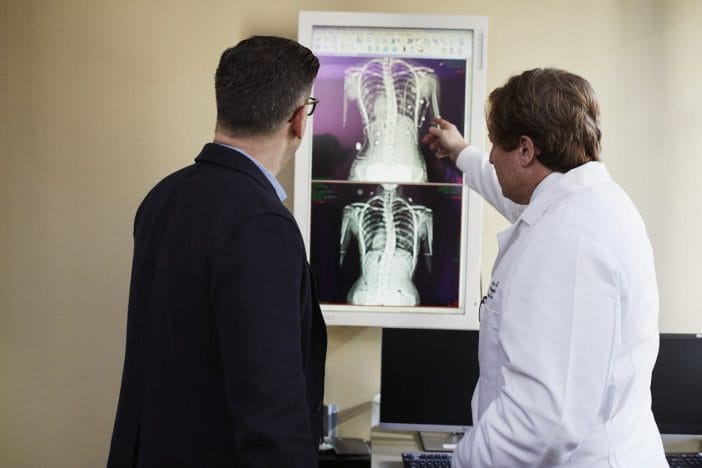
A man can build a career, a family, and a reputation before he ever builds a relationship with a doctor. That might sound harmless, even admirable, but it leaves a blind spot that grows wider with every birthday. Before 40, the most important health move any man can make involves scheduling one comprehensive physical exam and using it as a launchpad for smarter, long-term prevention.
Many men treat doctor visits like oil changes—something to handle only when a warning light flashes. That approach ignores a basic truth about the human body: serious conditions often develop quietly. High blood pressure rarely announces itself with dramatic symptoms. Elevated cholesterol does not cause pain. Type 2 diabetes can advance for years before someone notices anything unusual. A thorough physical before 40 draws back the curtain and replaces guesswork with facts.
1. The Full Physical: Your Health Baseline, Not a Formality
A comprehensive physical exam does much more than check weight and listen to a heartbeat. A primary care clinician reviews medical history, family history, lifestyle habits, and current concerns. That conversation alone can reveal risk factors for heart disease, diabetes, certain cancers, and mental health conditions. Family history of early heart attacks, for example, changes how aggressively a doctor approaches cholesterol management.
During the exam, the clinician measures blood pressure, heart rate, and body mass index. They examine the heart, lungs, abdomen, skin, and sometimes the thyroid and lymph nodes. These steps sound routine, but they create a baseline. When future changes occur, doctors can compare them to a known starting point instead of guessing what counts as normal.
2. Blood Pressure and Cholesterol: The Quiet Heavyweights
Heart disease remains a leading cause of death for men in the United States, according to the Centers for Disease Control and Prevention. High blood pressure and high cholesterol drive much of that risk, yet both often develop without obvious warning signs.
A blood pressure reading during a physical may seem trivial, but it offers powerful insight. Elevated readings and hypertension increase the risk of heart attack, stroke, kidney disease, and more. Catching a borderline number before 40 gives a man time to adjust diet, increase physical activity, reduce sodium intake, limit alcohol, and manage stress before long-term damage sets in.
Cholesterol tells a similar story. LDL cholesterol contributes to plaque buildup in arteries, while HDL helps remove excess cholesterol from the bloodstream. When a lipid panel shows high LDL or low HDL, lifestyle changes often serve as the first line of defense. Doctors may recommend weight management, increased aerobic exercise, a diet rich in vegetables, fruits, whole grains, and lean proteins, and reduced intake of saturated and trans fats. Those adjustments work best when they start early, not after a cardiac scare.
3. Blood Sugar and Metabolic Health: Stop Diabetes Before It Starts
Type 2 diabetes does not wait for a 50th birthday. The CDC reports rising rates of diabetes among younger adults, driven by obesity, sedentary lifestyles, and poor diet. A simple fasting glucose test or hemoglobin A1C test during a physical can detect prediabetes or diabetes.
Prediabetes means blood sugar levels run higher than normal but not high enough for a diabetes diagnosis. Without intervention, many people with prediabetes develop type 2 diabetes within a few years. With intervention, many never do. Weight loss of even five to seven percent of body weight can significantly reduce the risk of progression, according to research from the National Institute of Diabetes and Digestive and Kidney Diseases.
A physical before 40 creates an opportunity to assess waist circumference, body mass index, and lifestyle habits that influence metabolic health. Men who sit most of the day benefit from structured movement, whether that means strength training three times a week, daily brisk walks, or organized sports. Small changes in diet—swapping sugary drinks for water, prioritizing fiber, cutting back on processed foods—can shift lab results in the right direction within months.
4. Mental Health: The Screening Too Many Men Skip
Physical health does not exist in isolation from mental health. Depression and anxiety affect millions of men, yet many never seek help. Men face a high risk of suicide, particularly in middle age. A comprehensive physical offers a rare structured moment to screen for depression, anxiety, substance use, and stress.
Doctors often use brief, validated questionnaires to assess mood and mental well-being. These tools identify symptoms that someone may have normalized or dismissed. Sleep disturbances, persistent irritability, loss of interest in activities, and difficulty concentrating all deserve attention. Addressing mental health early can improve relationships, job performance, and physical health outcomes.

5. Testicular and Prostate Awareness: Know What Matters Now
Cancer screening before 40 does not usually involve extensive testing for most men at average risk, but awareness plays a critical role. Testicular cancer most often affects younger men, particularly those between 15 and 35. Although routine screening by a clinician does not carry a universal recommendation for all asymptomatic men, awareness of changes in the testicles matters. Any new lump, swelling, or persistent pain requires prompt medical evaluation.
Prostate cancer screening typically begins later, often around age 50 for men at average risk. However, men with a strong family history or higher risk may need earlier discussions about prostate-specific antigen testing. A physical before 40 allows time to review family history and create a future screening plan rather than scrambling after symptoms appear.
Skin exams also deserve attention, especially for men who spend significant time outdoors. A clinician can evaluate suspicious moles or lesions and offer guidance on sun protection. Skin cancer, including melanoma, responds best to early detection.
6. Vaccines and Lifestyle: The Underrated Game Changers
A physical exam also provides a chance to review immunization status. Many adults need boosters for tetanus, diphtheria, and pertussis every ten years. Some men may need vaccines for influenza annually or other vaccines based on health conditions and risk factors. Staying current on vaccines reduces the risk of preventable illnesses that can derail work, family life, and long-term health.
Lifestyle counseling during a physical may sound routine, but it shapes decades of well-being. Smoking cessation support, guidance on alcohol moderation, nutrition advice, and exercise recommendations all fit into this visit. Men who smoke can discuss nicotine replacement, prescription medications, and behavioral support. Those who drink heavily can receive evidence-based strategies to reduce intake and lower the risk of liver disease, heart problems, and certain cancers.
Control Before Crisis, Always
Waiting for symptoms invites crisis. Acting before 40 invites control. A comprehensive physical, along with targeted screenings for blood pressure, cholesterol, blood sugar, mental health, and appropriate cancer awareness, gives men a powerful advantage.
Strong careers and strong families deserve strong health foundations. Booking that appointment may not feel dramatic, but it carries more long-term impact than many flashier life decisions.
Which step will come first—the calendar reminder for that physical, or another year of hoping everything runs fine without checking under the hood? It is time to discuss this very important topic below in our comments.
You May Also Like…
Why Do Men Ignore Medical Checkups Until The Pain Is Unbearable?
7 Strange Medical Issues That Only Affect Men
6 Doctor Visits That End With Surprise Medical Debt
