
The “Hard Water” Problem That Is Ruining Your Appliances

Most people don’t think twice about the water running through their home, but hard water has a way of making itself known — slowly, subtly, and usually at the worst possible moment.
It’s the kind of household villain that doesn’t burst through the door dramatically; it creeps in quietly, leaving behind mineral deposits, sluggish appliances, and repair bills that feel wildly out of proportion to the problem. Hard water isn’t dangerous to drink, but it can be downright brutal on the machines you rely on every day.
Mineral Buildup: The Silent Appliance Killer
Hard water is loaded with dissolved minerals, primarily calcium and magnesium. While harmless to your health, these minerals don’t stay dissolved forever. As water heats up or evaporates, the minerals solidify into scale — a crusty, rock-like buildup that clings to anything it touches.
Inside appliances, this buildup coats heating elements, clogs pipes, and reduces efficiency. A water heater coated in scale has to work harder to warm the same amount of water, which means higher energy bills and a shorter lifespan. Dishwashers and washing machines suffer the same fate, slowly losing performance as scale tightens its grip. If your appliances seem to be aging faster than they should, hard water may be the reason.
Your Water Heater Is Probably Working Overtime
Water heaters are especially vulnerable to hard water because they heat large volumes of water every day. When minerals settle at the bottom of the tank, they create a thick layer of sediment that forces the heater to burn more energy just to push heat through the barrier.
This strain can lead to overheating, noisy operation, and premature failure. Tankless water heaters aren’t immune either — mineral buildup can clog the narrow passages inside the unit, reducing water flow and triggering error codes. If your hot water seems inconsistent or your energy bill keeps creeping upward, hard water may be quietly sabotaging your system.
Dishwashers and Washing Machines Don’t Stand a Chance
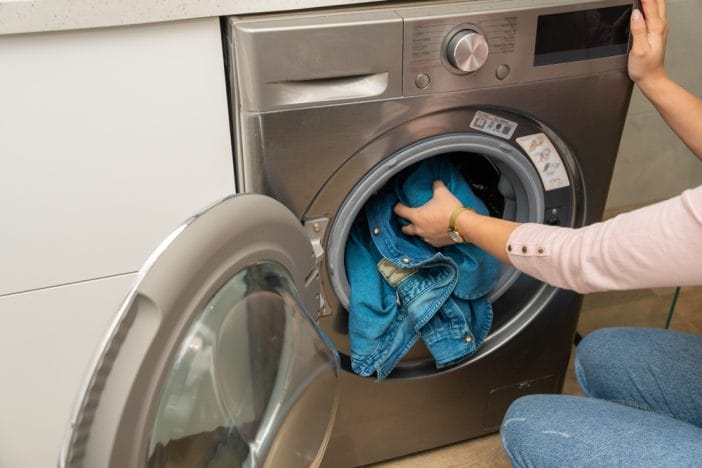
Hard water doesn’t just affect performance; it affects results. Dishwashers leave behind cloudy glasses and spotted plates because minerals interfere with detergent. Washing machines struggle to rinse clothes fully, leaving fabrics feeling stiff or dull.
Scale can clog internal components, reduce water flow, and force the machine to work harder than it should. Many homeowners blame their appliances for declining performance, but the real culprit is often the water running through them. If your dishes never look fully clean or your laundry feels rougher than it used to, hard water may be the reason your appliances seem to be losing their touch.
Coffee Makers, Kettles, and Small Appliances Aren’t Safe Either
Small appliances that heat water are some of the first to show visible signs of hard water damage. Coffee makers develop white crust inside the reservoir. Electric kettles form a chalky layer at the bottom. Steam irons spit and sputter because mineral deposits clog the vents. These appliances may be inexpensive compared to a water heater or dishwasher, but replacing them repeatedly adds up.
Regular descaling can help, but if the water feeding them is consistently hard, the buildup will return faster than you expect. If your morning coffee routine feels like a battle against mineral residue, your water quality may be to blame.
Plumbing Takes a Hit Long Before You Notice
Hard water doesn’t just affect appliances — it affects the entire plumbing system. Mineral deposits can narrow pipes over time, reducing water pressure and increasing the risk of clogs. Faucets and showerheads often show the first signs, with crusty white buildup forming around the openings. But the real damage happens inside the pipes, where scale accumulates quietly until it becomes a problem.
Reduced water flow can make showers feel weak and slow down tasks like filling a bathtub or running a sink. If your water pressure has dropped without explanation, hard water may be slowly restricting your plumbing from the inside out.
Soap and Detergent Don’t Work as Well
One of the most frustrating effects of hard water is how it interferes with soap. Minerals in the water react with soap to form a sticky film known as soap scum. This means you need more detergent to get the same cleaning power, whether you’re washing dishes, doing laundry, or taking a shower.
All of this leads to higher household costs and more wear on appliances that rely on detergents to function properly. If you feel like you’re constantly buying more soap than you used to, hard water may be the reason your cleaning products aren’t pulling their weight.
What You Can Do to Protect Your Home
The good news is that hard water isn’t a hopeless problem. Many homeowners choose to install a water softener, which reduces mineral content and protects appliances from scale buildup. Even without a softener, regular maintenance can make a big difference.
Flushing your water heater annually, descaling small appliances, and cleaning faucet aerators can help slow the damage. Using detergents designed for hard water can also improve cleaning results. The key is awareness — once you know hard water is affecting your home, you can take steps to reduce its impact and extend the life of your appliances.
Your Appliances Deserve Better Than Hard Water
Hard water may be invisible when it comes out of the tap, but its effects are anything but subtle. From higher energy bills to sluggish appliances and stubborn residue, it quietly chips away at your home’s efficiency and comfort. Paying attention to the signs and taking action can save you money, reduce frustration, and keep your appliances running smoothly for years to come. A little prevention goes a long way when the problem is something as persistent as hard water.
What’s the first appliance in your home that made you suspect hard water was causing trouble? Give us your home improvement and maintenance tips in the comments below.
You May Also Like…
6 Signs Your Water Heater Is Struggling with Hard Water Buildup
Why Smart Homeowners Are Trimming Their Trees Right Now
Why February Is the Worst Month to List Your Home for Sale
9 Innocent Appliances That Start House Fires in Men’s Homes
Why Are Married Men More Likely to Ignore Appliance Warnings?
