
The Cars That Secretly Bankrupt Drivers Within Five Years
Driving off the lot in a shiny new car often feels like a reward for hard work, but that initial thrill can turn expensive fast. When I worked as a mechanic, it was interesting to see which cars flopped after a short amount of time (and which ones really lasted). Some vehicles don’t just cost you upfront; they quietly drain your wallet over time with depreciation, repair bills, insurance, and upkeep that add up. If you’re looking to buy, knowing which cars are financial dangers helps avoid those hidden money pits. Here are some of the types of vehicles that secretly bankrupt drivers within a few years (surprisingly).
1. Ultra-Luxury Sedans with Lavish Add-Ons
Ultra-luxury sedans look great, but their maintenance and depreciation are brutal. The moment you drive a top-tier model off the lot, you lose tens of thousands in value, especially models with all the tech and leather, like high-end German sedans. Repairs on advanced features like air suspension, adaptive cruise, or high-end infotainment systems are expensive and frequent. Insurance premiums are usually high due to theft risk, replacement parts, and repair labor. Fuel bills and required premium gasoline add yet more to the total cost of ownership. Altogether, despite feeling prestigious, these cars often bankrupt drivers who expect a “nice life” without financial pain.
2. Electric Vehicles with Fast Depreciation
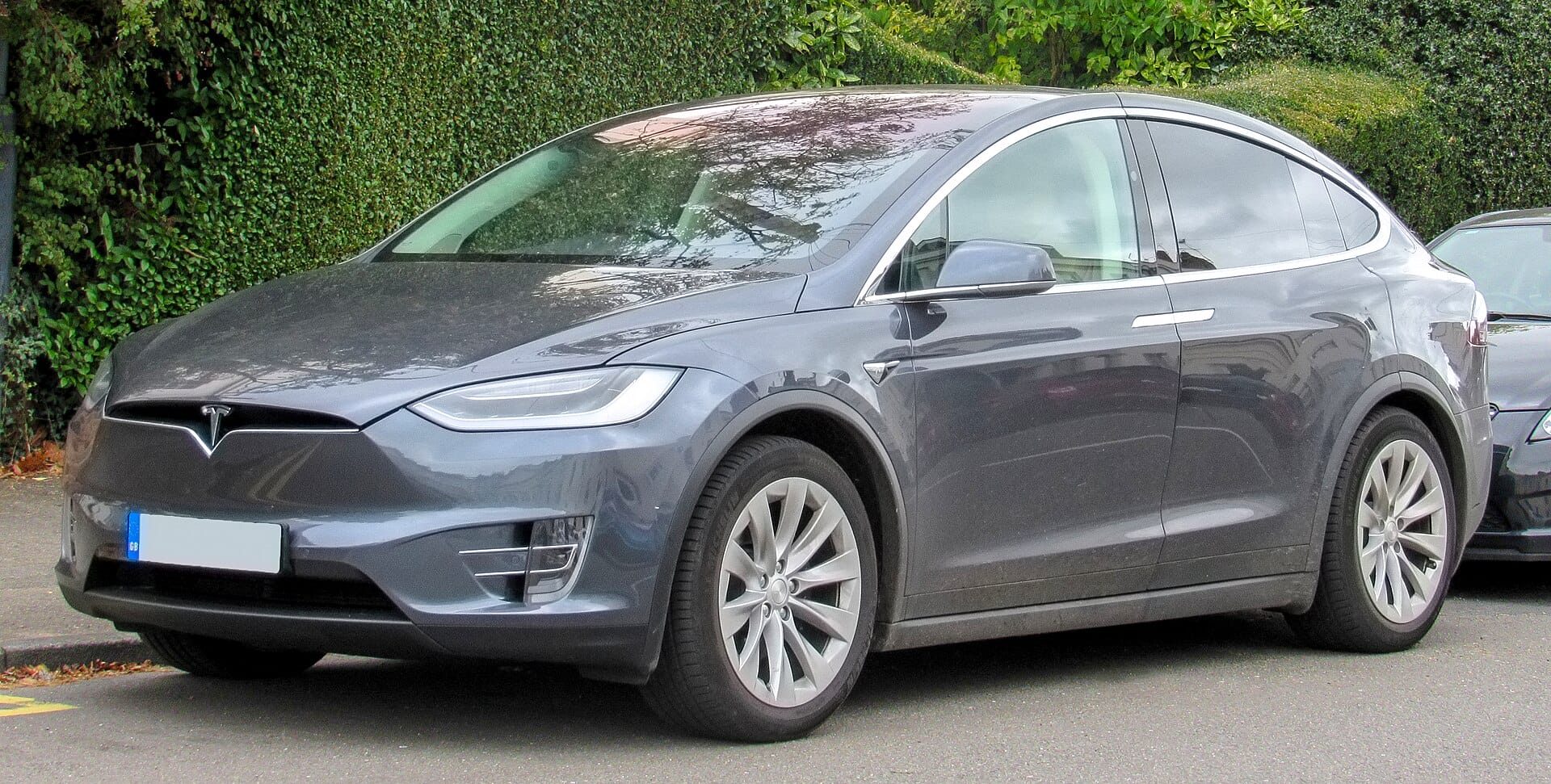
EVs can offer environmental and tax advantages, but many depreciate like crazy. Recent studies show that electric cars lose much more value in five years compared to hybrids or efficient gas models. For example, some EVs lose nearly 60-70% of their original value in five years, which means huge losses if you try to sell or trade them in. Battery replacement or repair outside warranty can cost thousands, and repair shops are still catching up on specialized EV work. Also, electricity costs, charging infrastructure, and sometimes range loss add surprising costs to owning one long term. If buyers don’t factor in these hidden costs, the EV dream can become a financial nightmare.
3. Large Luxury SUVs and Flagship Crossovers
Big SUVs feel imposing and comfortable, but they can cost you more than just fuel. They often come with powerful engines, complicated four-wheel drive systems, high torque, and heavy weights, all of which eat into parts life and maintenance costs. Depreciation is steep for large luxury SUV brands because demand in the used vehicle market falls quickly. Insurance is higher owing to safety risk and theft potential. Also, tires on these big vehicles are expensive; replacement sets for large, performance, or luxury tires add thousands over the years. Cumulatively, these hidden costs (fuel, tires, depreciation, insurance, repairs) often outstrip what many expect and can really strain a budget within five years.
4. Rare or Low-Volume Cars
When a car is rare or in limited production, you often pay in more ways than one. Parts get harder to find, so shipping or specialty orders inflate prices. Mechanics may charge a premium because fewer shops are comfortable working on obscure components. Depreciation may hit you harder if potential buyers shy away from unusual or rare models. Also, insurance for rare cars often costs extra due to higher replacement costs and fewer comparable used values. Even resale becomes tricky; limited appeal means smaller buyer pools, making it harder to recoup your investment. For many drivers, owning a rare car becomes a financial gamble they end up losing.
5. Older Vehicles with Unreliable Brands
An older car isn’t always a safe deal, especially if it’s from a brand known for reliability issues. Once warranty coverage ends, the cost of replacing worn-out components like transmissions, electronics, or drivetrain parts can skyrocket. Maintenance needs often rise exponentially after certain mileage thresholds. Reliability issues also raise repair frequency and unpredictability, leaving owners emotionally and financially unprepared. Depreciation tends to worsen if a car has a history of recalls or known problems, making resale or trade-ins suffer. Buyers often get trapped in a cycle of frequent repairs rather than a simple, dependable ride.
Warning Models from Recent Data
Data from reports like iSeeCars, Consumer Reports, and other value/maintenance-cost studies help identify specific models that tend to bankrupt. For example, several electric vehicles and luxury models show up among the worst in depreciation. The Jaguar I-PACE reportedly loses over 72% of its value in five years. Luxury sedans like certain BMW 7 Series models also drop value fast. SUVs and large crossovers from prestige brands often accompany high insurance and replacement costs. Even some hybrids or older models from less reliable brands show up in high repair-cost rankings.
How to Protect Yourself Against Financial Burnout
If you want to avoid being one of the drivers who quietly go broke, there are smart strategies you can use.
- Prioritize cars known to retain value. For instance, hybrids, efficient gas models, trucks, or proven mainstream brands tend to depreciate more slowly.
- Whenever possible, buy gently used rather than brand new so someone else absorbs the steep early depreciation.
- Factor in all costs: insurance, fuel, tires, repairs, not just sticker price.
- Avoid overly complex models unless you’re prepared for pricey maintenance; the more tech, the more potential points of failure.
- Have a passion for reliability and parts availability. Choosing a car with good support in your area will save you headaches and surprise bills.
Financial Pitfalls That Last More Than Five Years
The worst financial damage from a bad car choice doesn’t stop at year five. Depreciation may level off, but maintenance, repairs, and parts costs continue or even increase. Parts for obsolete models or discontinued components often become scarce and costly. Insurance rates often stay elevated due to poor resale value or high theft risk. Fuel efficiency and regulatory changes (such as emissions, fuel types) can add long-term costs or require expensive upgrades. Ultimately, what looked like a smart purchase may linger as a financial drag for many years.
Have you ever owned a car that cost way more than you expected after just a few years? Which models do you think should be avoided, or maybe gotten from used-market bargains? Share your experience below!
What to Read Next
- 10 Cars That Look Like Bargains But End Up Bankrupting Their Owners
- Don’t Be Fooled: The Cars That Seem Reliable But Fail After 80,000 Miles
- The Surprising Factors Driving Bankruptcy Among Men in Their 50s
- 4 Unique Cars On The Market Right Now That Cost Less Than a Ford Escape
- Why So Many Men Are Secretly Bankrupt Behind Expensive Homes
