
The Cars That Insurance Companies Secretly Hate Covering
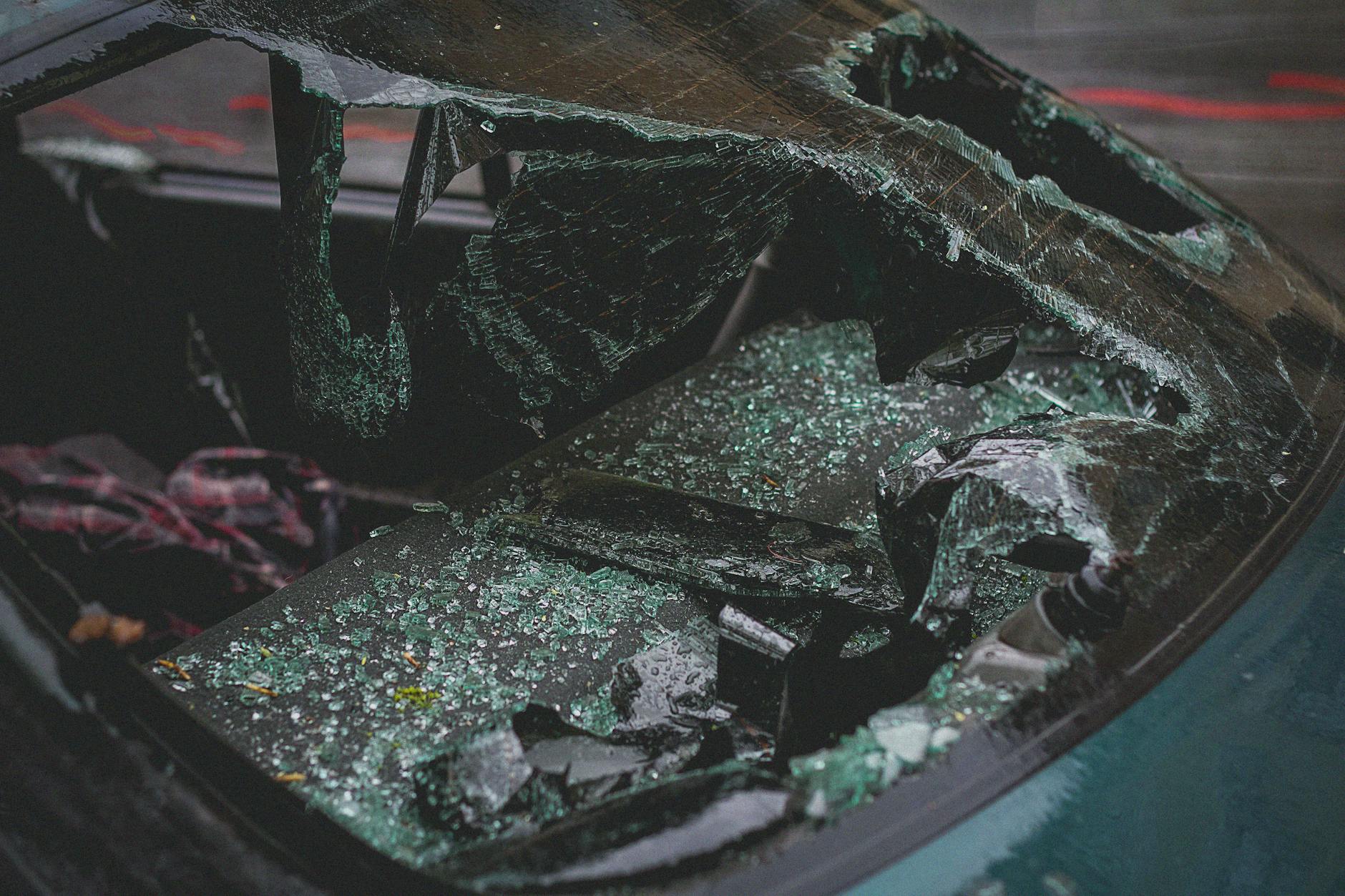
When you’re shopping for a new vehicle, you probably think about price, style, and maybe even fuel economy. But have you considered how your choice affects your car insurance rates? Some cars make insurance companies nervous, which can lead to higher premiums or even make coverage more difficult to find. Knowing which vehicles are on the “naughty list” can help you avoid surprises when requesting a quote. This matters because the type of car you drive plays a significant role in determining the cost of your coverage. Let’s break down the cars that insurance companies secretly hate covering—and why.
1. High-Performance Sports Cars
Sports cars are the classic example of vehicles that make insurance companies sweat. Models like the Chevrolet Corvette, Dodge Challenger Hellcat, or Porsche 911 are built for speed. That speed comes at a price—literally. These cars are statistically more likely to be involved in accidents and attract drivers who may take more risks on the road. Repair costs are also extremely high due to the specialized parts and labor required.
For these reasons, car insurance companies often charge steep premiums to cover high-performance vehicles. If you’re drawn to these cars, be prepared to pay much more for your policy. The risk of theft is also higher, adding another layer of concern for insurers.
2. Luxury Vehicles
Luxury cars like the Mercedes-Benz S-Class, BMW 7 Series, or Audi A8 might turn heads, but they also raise red flags for insurers. The main issue is cost—both in terms of repairs and replacement. Advanced technology, imported parts, and specialized labor make fixing these cars expensive.
Car insurance companies worry about the financial risk if one of these vehicles is totaled or heavily damaged. Even minor fender-benders can lead to repair bills in the thousands. As a result, premiums for luxury vehicles are consistently higher, and some insurers may restrict coverage for specific models.
3. Electric Vehicles with Expensive Batteries
Electric vehicles (EVs) are growing in popularity, but not all of them are easy to insure. Models like the Tesla Model S or Lucid Air come with cutting-edge technology and, most importantly, costly battery packs. If the battery is damaged in an accident, replacement can cost several thousand dollars.
Car insurance companies are wary of the high repair and replacement costs for these vehicles. Additionally, not all repair shops are equipped to handle EVs, which can slow down claims and drive up expenses. While some insurers offer competitive rates for common EVs, the more exotic or high-end models often face higher premiums or coverage limitations.
4. Cars with High Theft Rates
Some vehicles are magnets for thieves, which makes them less attractive to insurers. The Honda Accord, Honda Civic, and Ford F-150 are frequently targeted for theft, often because their parts are easily resold. Even if you park in a safe neighborhood, the statistics don’t lie—these cars get stolen more than most.
Car insurance companies factor in the risk of theft when setting premiums. If your car is on the list of most stolen vehicles, expect to pay more for comprehensive coverage. In some areas, insurers may even require additional anti-theft devices before offering a policy.
5. Modified Cars and Aftermarket Builds
Customizing your vehicle can make it unique, but it also makes insurers nervous. Cars with aftermarket modifications—like turbochargers, custom suspensions, or high-end sound systems—are often more expensive to repair. The parts may not be standard, and labor costs can skyrocket.
Car insurance companies tend to shy away from heavily modified vehicles, or they charge much higher premiums. They worry about both the risk of accidents (since some mods can affect safety or performance) and the potential for theft. If you’re planning major upgrades, check with your insurer first to avoid surprises.
6. Classic and Antique Cars
Owning a classic car is a dream for many, but it’s not always easy to insure. Vehicles that are 25 years old or older, like a 1965 Ford Mustang or 1970 Chevrolet Camaro, are tough for standard insurers. Replacement parts are rare and expensive, and the value of these cars can be hard to determine.
Car insurance companies often require a specialized policy for classics, which can be pricier and come with restrictions. For example, you may be limited in the amount of driving you can do in a car each year.
What to Do If Your Car Is on the List
If you own one of the cars insurance companies hate covering, don’t panic. There are still ways to protect your vehicle and manage your insurance costs. Start by shopping around—different insurers have different appetites for risk, and some specialize in hard-to-cover vehicles. Consider increasing your deductible, adding anti-theft devices, or bundling your policies for discounts.
It’s also smart to review your coverage limits and make sure you’re not over- or under-insured. If you’re thinking about buying a car on this list, research insurance costs before you sign the paperwork.
Have you ever owned a car that was expensive to insure, or did you run into trouble getting coverage? Share your experience in the comments below!
What to Read Next…
- 8 Auto Insurance Policies That Deny the Most Claims
- 7 Car Models That Mechanics Avoid Even When They’re Discounted
- 9 Car Brands That Quietly Lost Consumer Trust in the Last 5 Years
- Why Insurance Rates Spike for Drivers of Specific Brands and It’s Not Just Risk
- Auto Insurance Companies Are Quietly Buying Totaled Cars and Reselling Them
