
Stop Using Your Car’s USB Port — It Could Be Damaging Your Phone
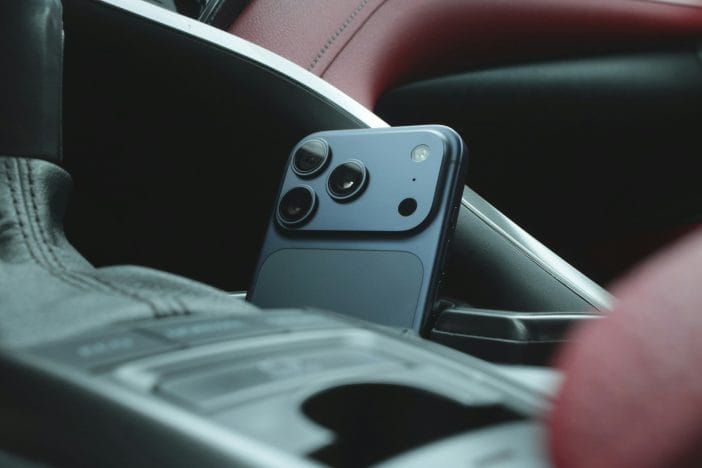
Think your car’s USB port is just a convenient little plug-in? Think again. That innocent-looking port hiding in your dashboard could be silently sabotaging your phone’s battery life. Modern phones are sophisticated little machines, and they thrive on precise power delivery. They don’t like fluctuating current or slow trickle charging, which is exactly what most built-in car USB ports deliver. Plugging in might seem harmless—after all, the phone is charging while you drive—but over time, it can degrade the battery faster than you realize.
It’s not just about battery life either. Charging through a car USB can be inconsistent, slow, and frustrating, especially on long drives. Some ports barely give your device enough juice to maintain its battery, leaving you staring at a sluggish phone in need of a power boost as soon as you reach your destination. Meanwhile, the car thinks it’s doing a good job, quietly supplying minimal current that doesn’t match your phone’s optimal charging requirements. The tiny port might be convenient, but your phone’s health pays the price.
Why Car USB Ports Are the Culprits
Car USB ports aren’t built to handle the latest smartphones’ power demands. Most provide a standard 0.5 to 1 amp of current, which was fine for older devices but falls short for modern power-hungry phones. Phones today are engineered to charge quickly and efficiently, expecting a steady flow of power. When they get inconsistent or low current from a car USB, they try to draw more energy, which heats up the battery and stresses the delicate cells inside. Heat is the enemy of lithium-ion batteries, and repeated exposure can reduce capacity over time.
Many people think that as long as their phone eventually charges, everything is fine. That assumption is misleading. Slow, uneven charging not only damages the battery, but it can also lead to problems with charging circuits inside the phone. Over time, these micro-strains compound, reducing how long a single charge lasts and how long the battery itself will survive. The end result isn’t just frustration—it’s a diminished lifespan that might mean replacing your device years earlier than expected. Swapping the “easy” car USB charge for a smarter solution protects your investment and keeps your phone performing at its best.
The Right Way to Charge on the Road
There’s a better alternative than risking your device on a tiny car USB port. High-quality car chargers that plug into the cigarette lighter or 12V power outlet offer significantly higher and more stable amperage. Look for chargers with fast charging technology, such as USB-C PD (Power Delivery) or Qualcomm Quick Charge. These deliver power at the rate your phone actually needs, preventing overheating and stress on the battery. Not only does this charge your phone faster, but it also keeps the battery cells healthy for years to come.
Using a dedicated cable also matters. Cheap, frayed, or low-quality USB cables can limit power delivery and cause their own heat buildup. Investing in a certified, sturdy cable designed for high-speed charging makes a huge difference. Combine a high-quality charger with a reliable cable, and suddenly your phone charges efficiently, safely, and consistently, even on long road trips. Consider this setup a little insurance for your device’s long-term performance, ensuring that by the time you reach your destination, your phone isn’t just alive—it’s thriving.
Hidden Risks Beyond the Battery
It’s not just the battery that suffers. Inconsistent power can cause apps to behave erratically, lead to unexpected shutdowns, or even corrupt system files over time. Some phones, when repeatedly charged at low or fluctuating power, develop screen flickering or slow response issues. For anyone who relies on their phone for navigation, streaming, or work while on the road, this is more than a minor annoyance. It can turn a simple drive into a frustrating battle with technology.
Even worse, cheap or poorly designed USB ports can create a surge or voltage spike, potentially damaging your phone instantly. Car electronics aren’t standardized across all makes and models, which means a port that works fine in one vehicle could be dangerous in another. Regularly exposing your phone to these unpredictable currents increases the risk of long-term harm, making the “quick plug-in and go” approach more of a gamble than most people realize. A little caution now avoids a costly replacement later.

Simple Habits to Protect Your Device
Keeping your phone healthy on the road doesn’t require tech wizardry, just a few smart habits. Prioritize charging with certified fast-charging adapters and cables designed for your specific phone model. Avoid charging in extreme heat or freezing temperatures, which can amplify battery wear. If you can, unplug when your phone hits full charge instead of leaving it tethered to the car for the entire ride. Even small steps like these reduce stress on the battery cells and prolong the overall lifespan of the device.
Another tip: keep a portable power bank handy for longer trips. Modern power banks are compact, safe, and often deliver high-speed charging comparable to wall outlets. That way, if the car port is slow or unpredictable, you don’t have to compromise your battery’s health. Think of it as a backup plan that’s far superior to risking daily damage from underpowered USB ports. Over time, these habits add up, saving your phone from early battery failure and keeping it running strong for years.
Rethinking Convenience Over Safety
Car USB ports might feel like a convenience, but convenience comes at a cost. Phones demand consistent, proper power delivery to maintain performance and longevity, and dashboard USB ports were never designed for that. Embracing high-quality chargers, reliable cables, and smart charging habits transforms a simple road trip from a potential battery disaster into a smooth, worry-free ride. It’s not about fear-mongering—it’s about understanding the limits of technology and making choices that keep devices performing their best.
How do you charge on the road? Share your best tips, hacks, or even funny charging mishaps in the comments—your experience might save someone else from a battery disaster.
You May Also Like…
Why Some Cars Are Getting Harder to Repair—Even for Experienced Mechanics
More Cars Are Being Targeted in Parking Lots—And It’s Not for the Reason You Think
10 Vintage Cars That Pay Off Big When Restored
10 Electrical Problems That Are Common in Cars Over Five Years Old
These Everyday Driving Habits Are Quietly Destroying Cars Before Dash Warnings
