
State Troopers: The Way Men Carry Tools in Their Trucks Is Quietly Violating 2026 Weapon Laws
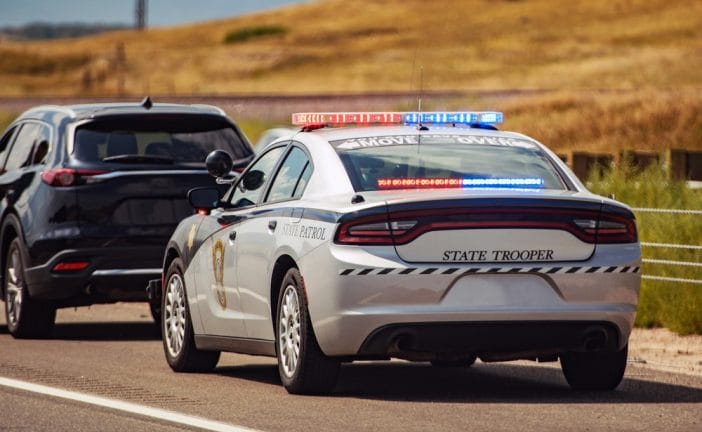
A routine traffic stop, a casual question about what’s under the seat, and suddenly a driver is standing on the shoulder wondering how a pry bar, machete, or modified bat turned into a legal headache. Across the country, state troopers are encountering a pattern that keeps popping up in police reports and courtrooms alike: ordinary tools, carried in ordinary trucks, becoming legally complicated under updated weapon laws in 2026.
The surprise isn’t that weapons are regulated. It’s that so many people never realize when a tool quietly crosses that line. What feels like common sense to a driver can look very different through the lens of modern statutes, intent standards, and transport rules that have evolved faster than truck culture has.
The Blurry Line Between Tool And Weapon
Tools live in trucks for good reasons. Work demands them, emergencies happen, and rural life especially runs on being prepared. The legal system generally recognizes that reality, but it also draws lines that aren’t always obvious at first glance. In many states, the law doesn’t only care about what an object is designed for, but how it is carried, altered, or described during an encounter with law enforcement. A hammer is a tool, until it’s wrapped in tape for grip and stored under the driver’s seat within immediate reach. A machete is agricultural equipment, until it’s carried loaded and accessible in a way that suggests defensive or combative use.
State troopers are trained to evaluate context, not just labels. That context includes where the object is stored, whether it’s modified, and how the driver explains its purpose. Under 2026 laws, intent can be inferred from circumstances even if no harm was planned. This is where many well-meaning drivers get caught off guard. They aren’t breaking the law on purpose, but the law isn’t written around intention alone anymore.
Accessibility Is Where Trouble Starts
One of the biggest changes reflected in recent weapon enforcement trends is the focus on accessibility. Courts and lawmakers increasingly differentiate between tools stored for work and objects kept ready for immediate use. A crowbar locked in a toolbox bolted to the truck bed is rarely an issue. The same crowbar tucked beside the driver’s seat can raise eyebrows, especially during a stop that already involves heightened scrutiny.
State troopers often explain that accessibility suggests readiness, and readiness can imply use beyond work-related tasks. This doesn’t mean every reachable tool is illegal, but it does mean drivers are expected to think about placement. Laws in many jurisdictions now emphasize whether an item can be quickly deployed against a person. That single factor has quietly turned glove compartments and floorboards into legal gray zones.
Modifications Change Legal Interpretations
Another underappreciated issue is modification. Drivers often customize tools without thinking twice, adding grips, weights, or sharpening edges to make them more effective for work. Legally, though, modifications can shift an object’s classification. A baseball bat with added weight or reinforced ends may no longer be treated the same as one pulled fresh from a sporting goods store.
State troopers don’t need to be tool experts to notice alterations that change function. Courts tend to view these changes as evidence of intent, even if the driver insists the purpose was practical. Under 2026 standards, prosecutors often argue that modifications demonstrate preparation for use as a weapon rather than incidental utility. That argument doesn’t always win, but it’s strong enough to bring charges or seize property during an investigation.
Verbal Explanations Matter More Than People Think
What a driver says during a stop can matter as much as what’s in the truck. Troopers are trained to document statements carefully, and casual comments can take on new meaning in reports. Saying a tool is kept “just in case things get sketchy” may feel harmless, but legally it can suggest defensive or confrontational intent.
Many weapon laws rely on how an object is described at the moment it’s discovered. A driver who frames a tool as part of work or emergency preparedness is usually viewed differently from one who frames it as protection. The law doesn’t punish honesty, but it does weigh language heavily. This reality surprises people who assume only physical evidence counts.

Why Enforcement Feels Sudden In 2026
To many drivers, it feels like these rules appeared overnight. In truth, the laws evolved gradually through court decisions, legislative tweaks, and enforcement guidance. What changed in 2026 is consistency. State troopers across multiple jurisdictions are now applying similar standards around accessibility, modification, and inferred intent.
This uniformity makes enforcement more noticeable. Drivers who went years without issue are suddenly hearing warnings or facing citations for setups they’ve always used. From the troopers’ perspective, they’re enforcing clarified rules, not inventing new ones. From the driver’s perspective, it feels like the ground shifted beneath their tires.
Practical Awareness Without Panic
None of this means trucks need to be stripped bare or that carrying tools is inherently risky. It does mean awareness matters more than ever. Keeping tools stored securely, avoiding unnecessary modifications, and thinking about how items might be interpreted during a stop can prevent problems before they start.
State troopers often emphasize that most encounters end with education, not punishment. The drivers who run into trouble are usually the ones who never considered how modern weapon laws view everyday objects. A small change in storage or mindset can make the difference between a routine stop and a long legal process.
When Preparation Meets Modern Law
Tools in trucks aren’t going away, and neither is the culture of being ready for anything. What’s changing is how the law interprets readiness in a world increasingly focused on prevention. The gap between intention and perception is where many drivers stumble, often without realizing it.
If you’ve had an experience, a close call, or a lesson learned on the roadside, the conversation doesn’t have to stop here. Drop your thoughts or stories in the comments section below and keep the discussion rolling.
You May Also Like…
State Troopers: The Way Men Transport Ammo in Their Trucks Is Quietly Violating Multiple Carry Laws
This Common Tool Use Can Violate Local Laws in Certain States
Why Some Partners Weaponize Kindness to Stay in Control
Why Do Women Use Silence as a Weapon Against Men?
The Way Most Men Store a Handgun in the Car Is Now a Magnet for Felony Charges
