
State Troopers Say This Everyday Driving Gesture Is Now the #1 Reason Cars Get Pulled Over
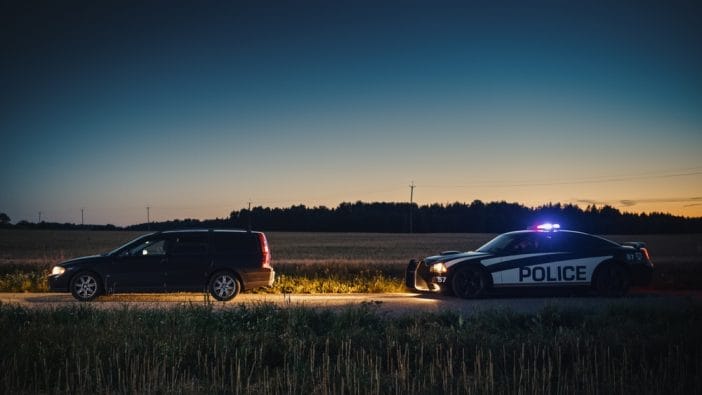
You’re cruising down the highway, music blasting, windows down, feeling like you’ve got the road all to yourself. Then, out of nowhere, flashing lights appear in your rearview mirror, and your stomach drops.
What could you have done wrong? Turns out, it might have been something you do dozens of times every day without even thinking. State troopers across the country are reporting that one seemingly harmless driving gesture has become the top reason for traffic stops—and it might surprise you.
Why This Gesture Catches The Eye Of Law Enforcement
It’s not about speed, tailgating, or even rolling through a stop sign—though those are still ticket-worthy. According to state troopers, the gesture in question is almost unconscious for drivers: the use of your hand signal—or more accurately, the lack thereof. Failing to signal lane changes or turns is responsible for more traffic stops than any other minor infraction combined. Troopers say that when a car suddenly drifts or turns without signaling, it immediately triggers suspicion.
Even when the maneuver is safe, the absence of a signal communicates unpredictability. Police officers are trained to notice patterns of driving behavior, and repeated unsignaled movements are interpreted as careless or even aggressive driving. The key takeaway? Your hands matter just as much as your feet when it comes to staying on the right side of the law.
How Drivers Accidentally Commit This Everyday Offense
Most people assume that signaling is automatic, but many drivers skip it out of habit or distraction. Busy streets, multitasking behind the wheel, or even thinking ahead about the next turn can make a driver forget the simplest rule: signal. Some drivers rely solely on brake lights to communicate, thinking that a slow down implies a turn. Others wave or nod to nearby cars instead of using the proper mechanical indicators. Troopers warn that all of these shortcuts are red flags.
Even if another driver “understands” your intentions, law enforcement might not, and failing to signal remains a legal violation. Interestingly, some of the worst offenders are seasoned drivers who feel confident and believe they can communicate without signals. Overconfidence, it turns out, is just as risky as inexperience.
The Science Behind Why Signals Matter
On a basic level, turn signals exist for communication. They’re the original social media for cars—sending a clear, predictable message about your next move. Troopers explain that every unsignaled maneuver increases the odds of collisions because other drivers are forced to guess your intentions. Studies have consistently shown that intersections and lane changes without signals are hotspots for accidents. Human reaction time isn’t instant, and a lack of visual cues can create split-second decisions that lead to crashes.
Law enforcement uses this logic when deciding which cars to pull over: unpredictable drivers are potential safety hazards. Beyond avoiding tickets, using signals properly is a defensive driving technique that prevents countless fender benders. In short, the tiny flick of a lever is a huge safety booster.
Common Myths About Signaling That Get Drivers Into Trouble
There are a lot of misconceptions that lead to tickets. One myth is that signaling isn’t necessary on quiet streets or during low-traffic hours. Troopers are clear: the law applies all the time. Another misconception is that signaling too early or too late doesn’t matter—but timing is crucial. Signals must be activated far enough in advance to inform other drivers without confusing them.
Some drivers also believe that hand gestures through the window are an acceptable substitute, but in most states, mechanical signals are legally required. Ignoring these rules may seem minor, but law enforcement sees the pattern as reckless behavior. The key is consistency: signal every time, every maneuver, no exceptions.
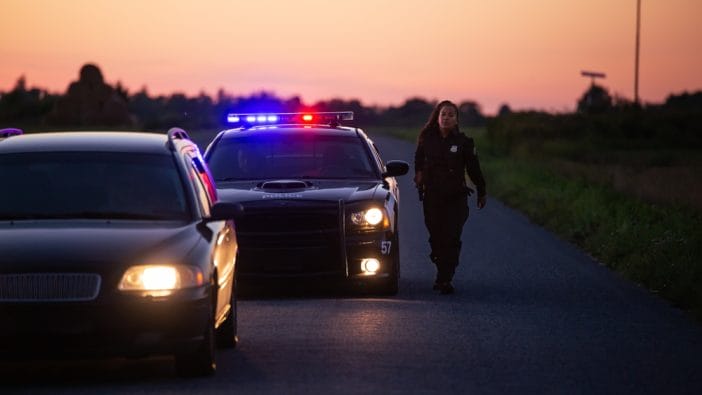
Simple Steps To Avoid Being Pulled Over For This Infraction
The solution is straightforward, but it requires awareness. Always plan your lane changes and turns in advance. Keep one hand free to operate your turn signal reliably—don’t rely on subtle wrist flicks or half-hearted taps. Double-check that your car’s signal lights are functioning; a burned-out bulb can turn a legal move into a citation.
Consider mentally treating your signal like a “driving heartbeat”—regular, predictable, and continuous. Veteran drivers suggest counting a second or two after activating the signal before moving, giving others ample time to respond. Finally, stay mindful even when distracted—phones, passengers, and scenery can all tempt drivers to skip signaling. Consistency here is key, and troopers confirm that drivers who habitually signal are pulled over far less often.
The Cultural Shift Behind Traffic Stops
Traffic enforcement is not just about punishment; it’s about changing driver behavior and increasing road safety. Troopers say that over the last decade, unsignaled maneuvers have overtaken speeding and rolling stop signs as the number-one reason for minor traffic stops. The trend reflects broader societal changes: roads are busier, distracted driving is more common, and police officers prioritize actions that prevent accidents rather than just penalize them. Awareness campaigns, social media safety posts, and in-car reminders all point toward one universal truth: signaling is non-negotiable. Drivers who adopt this habit consistently not only avoid tickets but also foster a calmer, safer driving environment.
So, Drivers, What Do You Think?
Signals may seem small, but the impact on safety—and your wallet—is huge. State troopers are clear: signaling isn’t just a courtesy; it’s the law, and it’s the single most common reason drivers get pulled over today. The gesture is simple, but failing to do it can lead to a stressful encounter with law enforcement, a ticket, or worse—an accident.
Have you ever been stopped for failing to signal, or do you know someone who has? We want to hear your experiences and thoughts in the comments section below. How do you make sure you’re signaling correctly every time?
You May Also Like…
State Troopers in Virginia Are Targeting This One Driving Habit—And It’s Not Speeding
Police Alert: This One Phrase at a Traffic Stop Can Trigger a Full Vehicle Search
4 States Where You Can Drive Like a Maniac—And 5 That’ll Make You Crawl
Cops Say This One Dashboard Item Makes You A Magnet for Traffic Stops
