
State Troopers in Virginia Are Targeting This One Driving Habit—And It’s Not Speeding
Sadly, we’ve all been there: sirens flash in the rearview mirror, adrenaline spikes, and you immediately glance at the speedometer.
But lately, that instinct is misleading on Virginia roads. State troopers are laser-focused on a different behavior, one so common that many drivers barely register it as risky anymore. This habit happens at stoplights, on interstates, and even in school zones, often in plain sight.
It feels harmless, routine, almost automatic. And yet, it’s become one of the most aggressively enforced issues on Virginia highways right now.
The Real Reason Troopers Are Pulling Drivers Over
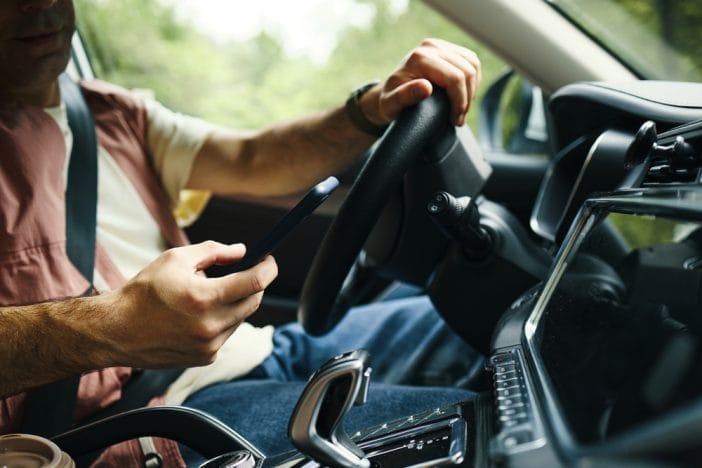
Speeding may grab headlines, but distracted driving is the enforcement priority that’s quietly reshaping traffic stops across Virginia. Troopers are paying close attention to what drivers are doing with their hands, not just how fast their cars are moving. Holding a phone, tapping a screen, or scrolling while stopped in traffic all count, and yes, they can get you pulled over. Virginia’s hands-free law makes it illegal to hold a mobile device while driving, even if the vehicle is temporarily stopped at a red light.
Troopers say this behavior is a leading contributor to crashes that never make the evening news but cause real injuries and costly damage. What surprises many drivers is how observant officers are trained to be, spotting phone use from overpasses, motorcycles, and unmarked vehicles. The result is a sharp uptick in stops that leave drivers stunned and insisting they “weren’t even moving.”
Why Virginia Is Cracking Down So Hard Right Now
Virginia’s roads are busier and more complex than ever, and troopers are responding to data that paints a troubling picture. Distracted driving-related crashes continue to climb, especially those involving handheld devices. Officials point out that reaction times while texting or scrolling can be worse than driving after drinking alcohol. The state has invested heavily in public safety campaigns, but enforcement remains the most effective deterrent. Troopers emphasize that warnings alone didn’t change habits, so stricter ticketing became necessary.
This isn’t about revenue or minor technicalities; it’s about preventing crashes that happen in seconds and change lives forever. By focusing on distracted driving, Virginia hopes to reduce collisions that are entirely preventable with a little awareness and discipline.
What Counts As Distracted Driving Under Virginia Law
Many drivers think distracted driving only means texting at 70 miles per hour, but the law is broader than that. Holding a phone to check directions, reading a notification, or dialing a number by hand all qualify as violations. Even resting a phone in your lap while interacting with it can land you a ticket. Hands-free use, such as voice commands or mounted devices, is allowed, but troopers still watch closely to ensure drivers aren’t touching the screen.
The law applies on highways, neighborhood streets, and even when stopped at intersections. Emergency calls are an exception, but officers warn that claiming an emergency won’t automatically get you off the hook. Understanding these details matters because many tickets are issued to drivers who genuinely thought they were following the rules.
The Surprising Places Troopers Are Watching
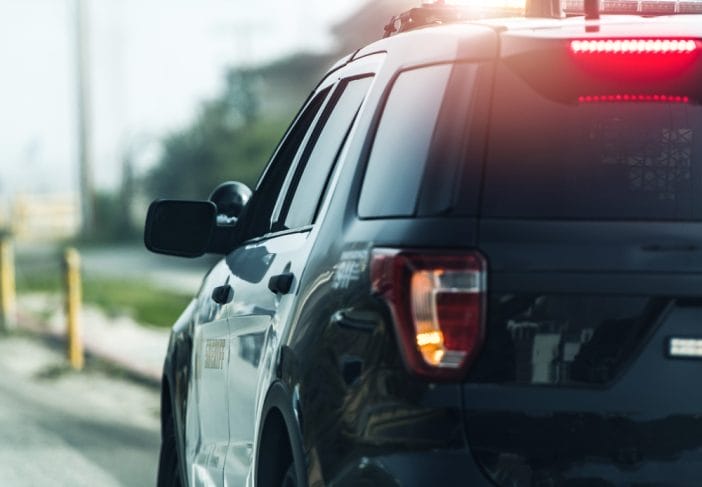
Drivers often assume enforcement happens only on interstates or during rush hour, but that assumption can be costly. Troopers monitor school zones, construction areas, and even quiet suburban roads where drivers let their guard down. Unmarked patrol cars blend into traffic, making it easier to spot distracted behavior without drawing attention. Motorcycle officers, in particular, have a clear line of sight into vehicle cabins and can see phone use instantly. Overpasses and elevated ramps also provide strategic vantage points. This wide-ranging approach means distracted drivers have far fewer safe zones to indulge bad habits. The message is clear: if you’re on the road, someone may be watching.
How Drivers Can Adjust Without Feeling Miserable
Breaking the phone habit behind the wheel doesn’t require going off the grid or missing important messages. Simple changes, like activating “Do Not Disturb While Driving,” can eliminate temptation. Mounting your phone at eye level allows for navigation without handling the device. Pulling over to respond to messages may feel inconvenient, but it’s far less disruptive than a ticket or crash.
Troopers encourage drivers to think of hands-free habits as a new normal, not a punishment. Many drivers report feeling less stressed once they stop constantly checking notifications. In the long run, keeping your hands off your phone makes driving calmer, safer, and surprisingly more enjoyable.
Wisdom From The Road
Virginia’s state troopers aren’t out to ruin anyone’s commute; they’re responding to a real and growing danger. Distracted driving may feel ordinary, but its consequences are anything but. As enforcement ramps up, drivers have a chance to rethink habits that once felt harmless. A moment of awareness can prevent a costly stop, a damaged car, or something far worse. Roads work best when everyone treats them with focus and respect.
If you’ve had an experience with distracted driving enforcement or a close call that changed how you drive, head down to the comments section below.
You May Also Like…
8 Things You Are Doing That Could Be Considered Distracted Driving
These Everyday Driving Habits Are Quietly Destroying Cars Before Dash Warnings
Why Certain Drivers Trigger Instant Irritation
Cops Say This Parking Move Is a Magnet for $300 Fines—And It’s Catching California Men Off Guard
