
Selling Your Home? Here Are 8 Reasons The Homebuyers Can Still Sue You
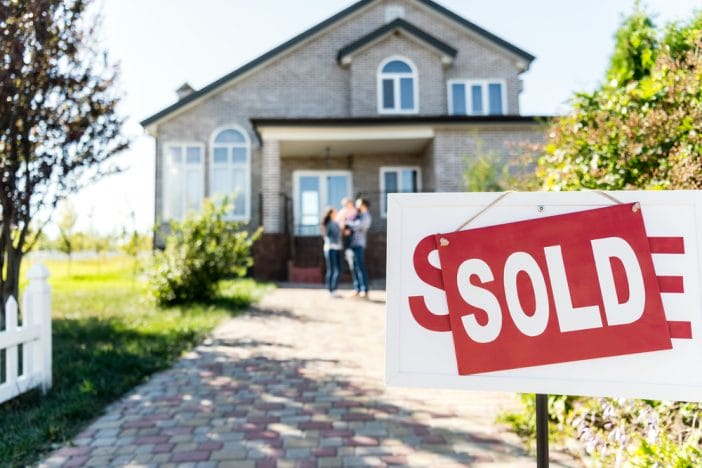
The closing papers are signed, the keys are handed over, and the champagne glasses are clinking. It feels final, decisive, done. Yet for some sellers, that sense of relief is short-lived. Long after the moving truck pulls away, legal trouble can come knocking, sometimes months or even years later.
Home sales carry legal responsibilities that don’t magically disappear at closing, and buyers have more rights than many sellers realize. Understanding how lawsuits happen after a sale isn’t about fear—it’s about clarity, protection, and avoiding regrets that can cost real money.
1. Failure To Disclose Known Defects
Most states require sellers to disclose known material defects, and this is where many post-sale lawsuits begin. A “material defect” is something that could affect the home’s value or safety, such as foundation cracks, roof leaks, or recurring flooding. If a seller knew about a problem and failed to disclose it, buyers can claim they were misled.
Even repairs done years ago can matter if the underlying issue wasn’t truly resolved. Courts tend to focus on what the seller knew, not what the buyer should have noticed. Saying “I thought it was fixed” may not be enough if evidence shows otherwise.
2. Misrepresentation Of The Property
Misrepresentation goes beyond silence and steps into actively providing incorrect information. This can include overstating square footage, claiming upgrades that were never permitted, or inaccurately describing the condition of major systems. Even unintentional misstatements can lead to legal trouble if the buyer relied on them when purchasing the home.
Listing descriptions, seller disclosure forms, emails, and even casual comments during showings can be used as evidence. Once trust is broken, buyers often argue they paid more than they should have. Courts may award damages based on the difference between what was promised and what was delivered.
3. Concealment Or Fraud
Concealment is a more serious claim and involves intentionally hiding defects. Examples include painting over water damage, covering mold with drywall, or temporarily patching a leak just long enough to pass inspection. Fraud claims can arise when a seller takes deliberate steps to prevent the discovery of a problem.
These cases often involve expert testimony, contractor records, and prior repair invoices. If fraud is proven, sellers may face not only damages but also legal penalties. It’s one of the fastest ways a simple home sale can turn into a nightmare.
4. Breach Of Contract
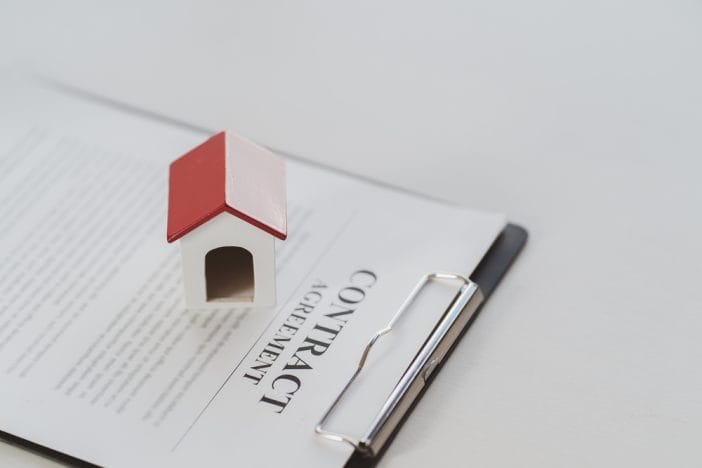
The purchase agreement is a legally binding contract, and failing to meet its terms can open the door to a lawsuit. This might include not completing agreed-upon repairs, removing fixtures that were supposed to stay, or failing to deliver the home in the condition promised. Even small details, like leaving behind debris when a “broom clean” condition was required, can escalate.
Buyers may claim they incurred additional costs due to the breach. Courts look closely at the exact wording of the contract, so assumptions can be risky. What feels minor to a seller may be a contractual violation in the eyes of the law.
5. Title Or Ownership Issues
Title problems don’t always show up right away. Undisclosed liens, boundary disputes, or unresolved ownership claims can surface after closing and cause serious headaches for buyers. If a seller failed to clear these issues or misrepresented their right to sell, buyers may pursue legal action.
Even errors in public records can trigger disputes that pull the seller back into the picture. Title insurance helps, but it doesn’t eliminate every risk. When buyers feel their ownership is threatened, lawsuits often follow quickly.
6. Unpermitted Work Or Code Violations
Home improvements can add value, but only if they’re done legally. Selling a home with unpermitted renovations can expose sellers to claims if buyers are forced to remove or redo the work. Common examples include garage conversions, electrical upgrades, or additions completed without approval.
Buyers may argue they were misled about the home’s compliance with local codes. Municipal fines or mandatory corrections can be expensive, and buyers often seek reimbursement. Courts frequently side with buyers when sellers knew permits were required and chose to skip them.
7. Environmental Hazards
Environmental issues carry long-term consequences and serious legal weight. Lead paint, asbestos, radon, contaminated soil, or underground storage tanks can all lead to lawsuits if not properly disclosed. Federal and state laws require specific disclosures, especially for older homes. Even if a seller didn’t cause the hazard, failing to inform the buyer can still create liability.
Cleanup costs can be substantial, making these claims particularly contentious. Buyers often argue they would not have purchased the home—or would have paid less—had they known the truth.
8. Problems With Homeowners Associations Or Zoning
HOA rules and zoning restrictions can drastically affect how a buyer uses their property. If a seller misrepresents rental rules, pet restrictions, or pending HOA assessments, buyers may claim financial harm. Zoning issues can also arise if the property’s permitted use was described inaccurately.
Buyers who discover they can’t operate a business, build an addition, or rent the property as expected may pursue legal remedies. These disputes often hinge on the documentation the seller had access to before the sale. Transparency is key, and assumptions can be costly.
When The Sale Isn’t The End
Selling a home is a major milestone, but it doesn’t always mark the final chapter. Legal obligations can linger, especially when disclosures are incomplete or promises fall short. The best protection is honesty, documentation, and a clear understanding of what the law requires. Every home has quirks, and buyers don’t expect perfection—they expect truth.
If you’ve experienced a surprising twist after a home sale, your perspective could help others navigate the process with fewer regrets. Drop your thoughts or stories in the comments section below.
You May Also Like…
Dream House Disappointment: Why Homeownership Isn’t Always Worth It
3 Smart Money Tips for Prospective Homeowners
Getting a Divorce and Selling Your House? Consider These High ROI Home Repair Tips
8 Hidden Real Estate Fees Families Only Find After Death
Real Estate Bargains: 5 Ways to Tell If You’re Getting a Deal or A Dump
