
Roof Inspection Photos Can Get Policies Dropped and Here’s How to Challenge Bad Imaging

A single photograph can cancel a homeowner’s insurance policy. That reality surprises plenty of property owners who assume insurance companies rely on detailed inspections, professional reports, and thorough evaluations. In many cases, however, an insurer makes a major decision after reviewing just a handful of roof photos taken by a contractor, inspector, or even a drone flying overhead. When those images show stains, discoloration, debris, or shadows that resemble damage, the insurance company may label the roof “high risk” and move toward cancellation or non-renewal.
A photograph can tell a story, but it does not always tell the correct one. Bad angles, poor lighting, and rushed inspections often create images that exaggerate normal wear or hide important context. Once those images enter an insurance file, the homeowner suddenly faces a frustrating challenge: proving the roof actually sits in a perfectly acceptable condition.
When One Photo Becomes an Insurance Verdict
Insurance companies rely on visual documentation more than ever before. Satellite images, aerial drones, third-party inspection companies, and quick contractor snapshots now feed enormous databases that insurers use to assess risk. This shift toward image-based evaluation speeds up underwriting, but it also creates room for serious mistakes.
A photograph captures only a fraction of reality. Shadows can mimic curling shingles. Moss or harmless staining can resemble rot. Leaves caught in a valley can appear like structural failure. Even something as simple as a steep camera angle can make a roof look warped or sagging.
Inspectors working on tight schedules often take photos quickly without documenting the full context. Some inspection companies complete dozens of properties in a single day, which means they rarely spend enough time examining every slope, ridge, or vent. An insurance underwriter later reviews those photos without setting foot on the property, then decides whether the roof qualifies as an acceptable risk.
Why Insurers Focus So Much Attention on Roofs
Insurance companies view roofs as one of the most expensive and unpredictable parts of a home. A failing roof can lead to water damage, mold growth, structural decay, and major interior repairs. Those risks push insurers to watch roofs closely. Many insurers now use strict roof-age guidelines as well. Policies often face scrutiny when roofs approach fifteen to twenty years old, even when the materials still perform well. Some companies refuse coverage entirely once a roof crosses a certain age threshold.
Because of those financial concerns, insurers treat even minor visual clues as warning signs. A patch of discoloration may trigger a closer review. A few lifted shingles may signal wind vulnerability. Granule loss on asphalt shingles might suggest the roof approaches the end of its life.
Unfortunately, quick inspection photos often exaggerate those signs. Harmless cosmetic issues can appear dramatic in high-resolution images, especially when the photographer captures them up close without showing the rest of the roof. An underwriter who only sees those photos may assume widespread damage exists when the roof actually remains in good condition.
The Most Common Imaging Mistakes That Trigger Policy Trouble
Several predictable problems appear again and again in roof inspection photos that lead to insurance disputes. Lighting issues rank near the top. Bright sunlight creates harsh shadows that mimic curling shingles or structural dips. Early morning or late afternoon light can make surfaces appear uneven even when they remain perfectly flat.
Camera angles cause another major problem. A steep upward angle from the ground exaggerates the slope and can make shingles look lifted or misaligned. Photos taken from drones can distort scale, making minor debris look like large areas of deterioration.
Debris also causes frequent misunderstandings. Leaves, pine needles, and dirt collect naturally in roof valleys and around flashing. A photo captured before a simple cleaning can make that harmless debris resemble serious drainage problems.
Then there’s the issue of partial documentation. Some inspectors photograph only one damaged or questionable area instead of capturing the entire roof system. That narrow focus can leave the false impression that the entire roof suffers from the same problem.
How Homeowners Can Push Back Against Bad Roof Photos
Insurance companies expect policyholders to challenge decisions when evidence supports a different conclusion. That process begins with gathering better documentation. A licensed roofing contractor can perform a full inspection and provide a written evaluation that explains the roof’s condition clearly. Detailed reports often include multiple photos taken from proper angles, along with notes that explain normal wear versus true damage.
Homeowners should also request a copy of the photos the insurance company used during its evaluation. Many people never see the images that triggered the policy warning. Reviewing those pictures often reveals obvious issues such as poor lighting or misleading angles.
Additional documentation can strengthen the case. Clean the roof if debris appears in the images, then capture updated photos that show the cleared surface. Take wide-angle shots that display the entire roof structure rather than isolated spots. If a contractor recently performed repairs or maintenance, include those receipts and reports as well.
Submitting that information to the insurer often prompts a second review by underwriting. Clear, well-documented evidence can overturn decisions that originally relied on flawed photos.
Smart Steps That Prevent Photo Problems Before They Start
A little preparation can prevent many roof photo disputes entirely. Regular roof maintenance keeps the surface clean and easier to interpret in photographs. Clearing debris, trimming nearby branches, and removing moss or algae helps inspectors capture accurate images.
Keeping records also plays a huge role. Save documentation of roof replacements, repairs, inspections, and maintenance visits. When an insurance company questions the roof’s condition, those records immediately show responsible upkeep.
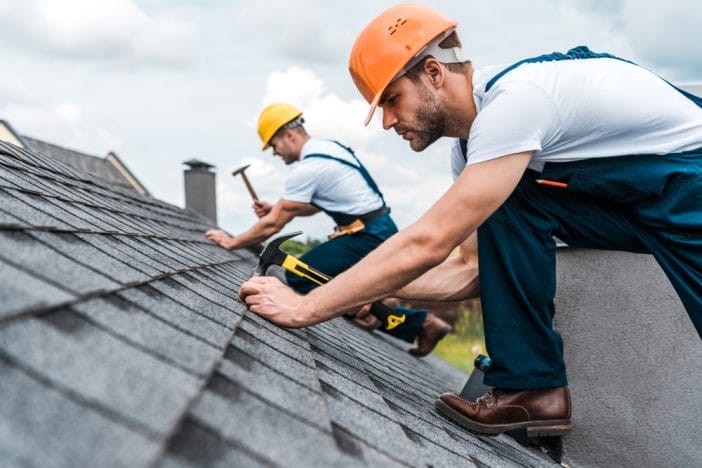
Scheduling an independent roof inspection every few years also provides valuable documentation. Professional reports create a record of the roof’s condition long before an insurance company raises concerns.
Finally, homeowners should pay attention to notices from their insurance company. Many insurers now perform periodic aerial imaging reviews without notifying policyholders in advance. Responding quickly to any warning letter gives homeowners time to provide better evidence before a policy cancellation takes effect.
The Real Power of Accurate Documentation
Roof photos hold enormous power in the insurance world, but accuracy matters just as much as the image itself. A rushed snapshot taken under the wrong lighting conditions should never determine the fate of an insurance policy. Clear inspections, proper documentation, and organized records give homeowners the tools needed to challenge questionable decisions. Insurance companies often reverse course once stronger evidence enters the file.
Homeowners who stay proactive about roof care and documentation rarely face the worst outcomes. They control the narrative with clear proof instead of letting a single misleading photograph speak for an entire roof.
What steps have you taken to document the condition of your roof before an insurance company decides to take a closer look? We want to hear your thoughts and advice in the comments section below.
You May Also Like…
Maximize Your Road Trip Budget With Smart Auto Maintenance
Why Lawn Care Delivers a 217% ROI for Homeowners
The Hidden Costs of Home Ownership
8 Things Home Safety Experts Say Don’t Belong in Your Attic
Home Inspectors Alert: This Common DIY Fix Is Now the Fastest Way to Void Your Home Insurance
