
Police Warn That Leaving This One Thing Visible in Your Car Is Leading to More Smash-and-Grabs
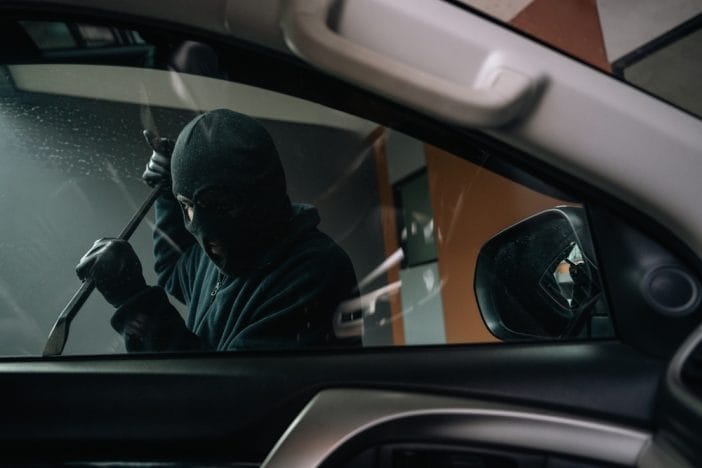
The quickest way to turn a parked car into a target comes down to a single glance. Not a complicated trick, not a high-tech hack—just a split-second decision made by someone scanning rows of vehicles for easy wins. Police across multiple cities continue to raise the alarm because the same mistake keeps showing up again and again, and it keeps paying off for thieves. That mistake? Leaving anything that looks valuable out in the open.
This isn’t about leaving stacks of cash on the dashboard or a glittering watch on the seat. The reality feels much more ordinary, which makes it more dangerous. A simple bag, a charging cable, or even loose items tossed on the passenger seat can trigger a smash-and-grab. The pattern keeps repeating, and law enforcement continues to stress that visibility drives opportunity. The more a car advertises something inside, the more likely someone decides it’s worth breaking a window.
The Everyday Item That’s Turning Cars Into Easy Targets
A surprising number of smash-and-grab cases start with something that doesn’t even seem valuable at first glance. Bags—especially backpacks, gym bags, and purses—top the list of items that attract attention. Thieves don’t stop to evaluate what’s inside; they assume something worth stealing hides in there, and that assumption often proves correct. Police consistently report that visible bags lead to a spike in break-ins because they signal potential reward with minimal effort.
A bag sitting on a seat creates a simple equation in a thief’s mind: break window, grab item, leave quickly. That entire process takes seconds, and the risk feels low when no one stands nearby. Even an empty bag can trigger the same reaction, which makes the situation even more frustrating. Many people leave reusable shopping bags or gym gear in plain sight, thinking nothing of it, but those items still act as bait. The presence of a container suggests hidden contents, and that suggestion alone can push someone to act.
Electronics add another layer to the problem, especially when paired with accessories. A phone charging cable hanging out of the console or a laptop sleeve peeking from under a seat tells a clear story. It hints that a device might sit somewhere nearby, even if it doesn’t. Police reports often highlight how small visual cues lead to break-ins, not just the big-ticket items themselves. A single cable can invite a costly mistake, turning a parked car into a broken window and a frustrating insurance claim.
Why Visibility Matters More Than Value
The idea that thieves only target high-value items doesn’t hold up under real-world patterns. Visibility matters far more than actual worth, because most smash-and-grab thefts rely on speed rather than careful selection. A person looking to break into a car rarely spends time analyzing whether something holds significant value. Instead, that person looks for anything that appears worth grabbing quickly and easily.
This mindset explains why even low-cost items can lead to expensive damage. A hoodie tossed on the back seat, a pair of sunglasses left in the cup holder, or a stack of papers inside a bag can all trigger the same outcome. The thief doesn’t know what’s inside, and that uncertainty works in their favor. The potential for reward outweighs the risk, especially in busy parking areas where people come and go constantly. That quick calculation fuels the rise in these types of crimes.
Police emphasize that smash-and-grabs often follow patterns tied to location and timing. Parking lots near gyms, shopping centers, and trailheads tend to see higher rates because people leave belongings behind while they head inside. Thieves recognize these patterns and take advantage of them, moving quickly from one vehicle to the next. A visible item acts like a signal flag, guiding attention straight to a specific car. Remove that signal, and the likelihood of becoming a target drops significantly.
Small Habits That Make a Big Difference
Changing a few simple habits can dramatically reduce the chances of dealing with a smashed window. The most effective step involves removing all visible items from the interior before leaving the car. That includes bags, loose clothing, electronics, and even small accessories that might hint at something more valuable. A clean, empty-looking car sends a clear message that nothing inside offers a quick reward.
Taking that extra step might feel inconvenient in the moment, but it pays off in the long run. Placing items in the trunk before arriving at a destination works better than moving them around after parking, since that action avoids drawing attention. Thieves often watch parking areas, and shifting items from the front seat to the trunk in plain view can backfire. Planning ahead eliminates that risk and keeps the process discreet.
Lighting and parking position also play a role in prevention. Well-lit areas with higher foot traffic reduce the appeal for quick break-ins, since they increase the chance of being noticed. Parking near entrances or security cameras adds another layer of deterrence. While no method guarantees complete safety, combining these strategies creates a stronger defense. Each small choice builds toward a less attractive target, which often makes all the difference.
The Cost of a Quick Grab Goes Beyond What’s Stolen
The damage from a smash-and-grab rarely stops at the item taken. Broken glass, interior damage, and the hassle of repairs often cost far more than the stolen object itself. Insurance claims can help, but they still come with deductibles, paperwork, and time spent dealing with the aftermath. That inconvenience alone turns a quick errand into a drawn-out problem.
Beyond the financial hit, the experience leaves a lasting impression. Finding a shattered window and a ransacked interior creates stress and frustration that lingers long after repairs are complete. Personal items often carry sentimental value, which makes their loss even more difficult to replace. Even when nothing important gets taken, the sense of violation sticks around.
Police continue to highlight prevention as the most effective approach because recovery rates for stolen items remain low. Once a thief grabs something and leaves the scene, tracking it down becomes extremely difficult. That reality makes proactive steps far more valuable than reactive ones. Keeping valuables out of sight, choosing parking spots carefully, and staying aware of surroundings all contribute to a stronger sense of control.
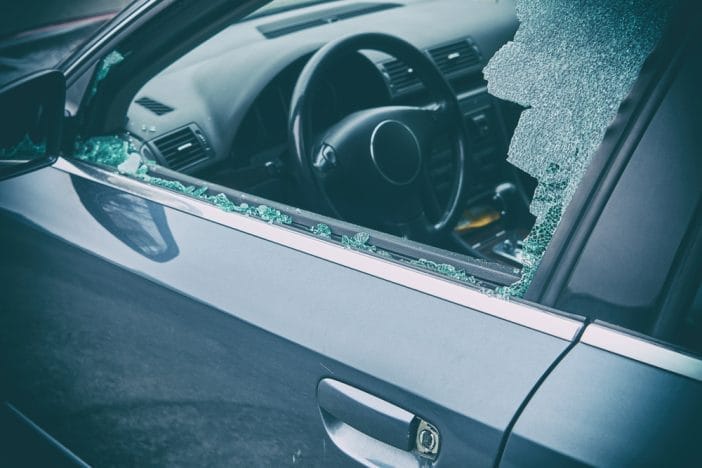
One Last Look Before Walking Away Could Save You a Headache
That final glance at the car before locking it up might seem like a small detail, but it carries real weight. A quick scan of the seats, floor, and console can catch items that slipped into view without notice. Taking those extra few seconds can prevent hours of frustration later, along with the cost and stress that follow a break-in. It’s a simple habit, but it delivers powerful results.
What habits have proven most effective for keeping a vehicle safe, and what strategies have worked—or failed—in real-life situations? Share those thoughts, tips, or experiences in the comments and keep the conversation going.
You May Also Like…
10 Everyday Behaviors That Can Increase Your Risk of Identity Theft
The Southern California Surge: Why Car Thefts Are Now “Silent” Relay Attacks
Package Theft Rising: Here’s How to Lockdown Your Deliveries Before They Ship
Theft-Proof or Vulnerable? 7 Clues Your Vehicle’s Already on a Criminal’s Radar
