
Pest Hotspots: 5 Home Items Attracting Pests to Your Kids’ Space
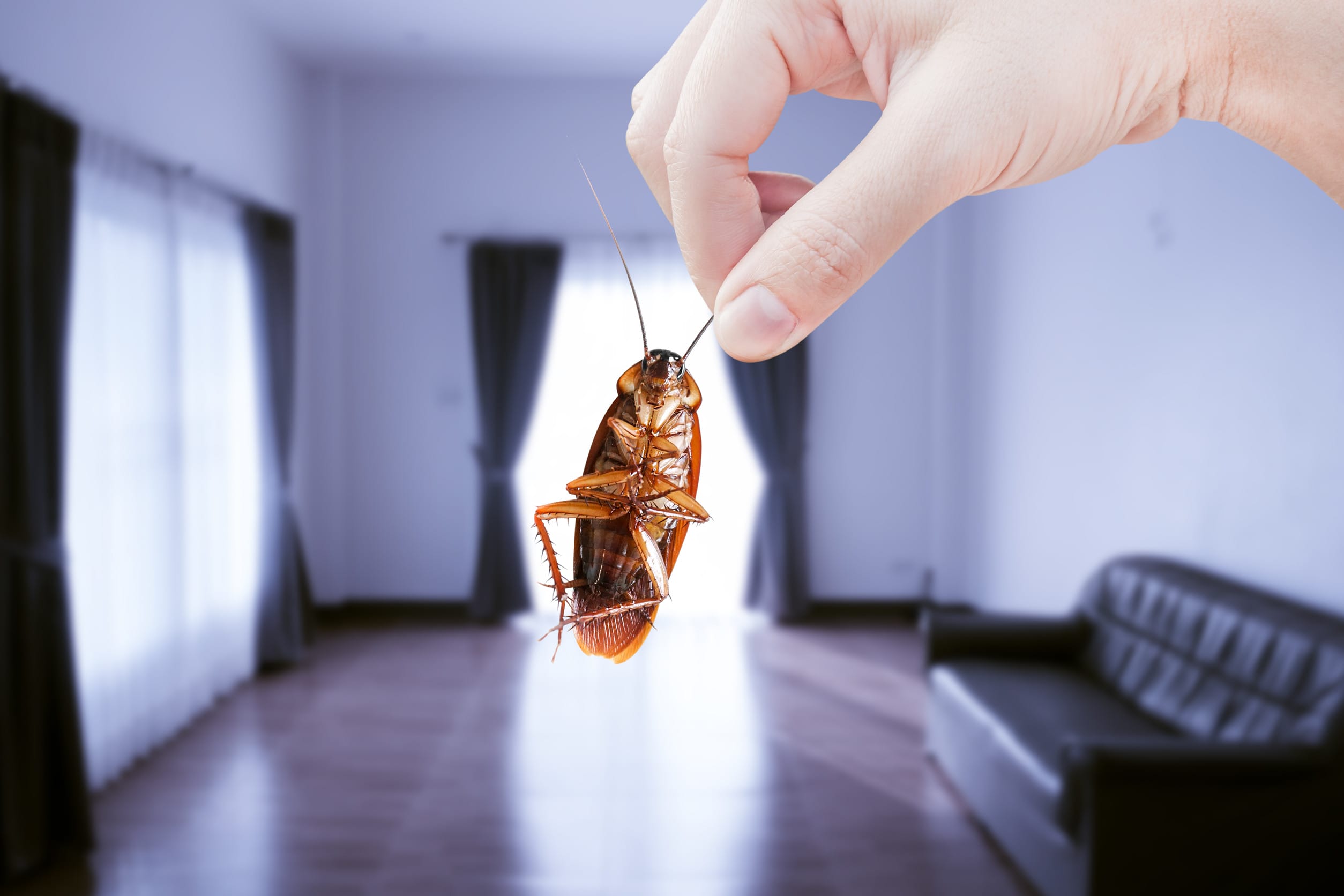
No one wants creepy crawlers sneaking into their child’s room, but you might be surprised at what’s luring them in. Certain home items attracting pests could be quietly turning your kid’s space into a pest magnet. From forgotten snacks to cozy nesting spots, pests don’t need much to feel welcome. Fortunately, identifying and removing these attractants is easier than you think. With just a few quick changes, you can make your child’s room less inviting to bugs, rodents, and everything in between.
1. Forgotten Food and Crumbs
Leftover snack wrappers, hidden crumbs, and that half-eaten granola bar under the bed are a feast for pests. Ants, cockroaches, and even mice are drawn to even the smallest bits of food. Kids’ rooms often become unintentional snack zones, especially during screen time or late-night reading. Regular vacuuming, wiping down surfaces, and setting rules about food-free bedrooms can drastically reduce this risk. When it comes to home items attracting pests, anything edible is usually public enemy number one.
2. Stuffed Animals and Soft Toys
That mountain of plush animals might be cute, but it’s also a cozy hideaway for dust mites and bedbugs. These soft surfaces provide perfect cover for pests to burrow in, especially if they’re rarely washed or moved. Frequent rotation, occasional deep cleaning, and cutting down on excess stuffed toys can help reduce pest attraction. If your child insists on sleeping with several stuffed animals, consider placing the extras in sealed bins. Pests love clutter, and these cuddly companions can quickly become secret stowaways.
3. Piles of Laundry and Damp Towels
A growing pile of dirty laundry or a damp towel tossed in the corner may not seem like a big deal, but to pests, it’s paradise. These items hold moisture and warmth, which attract insects like silverfish and even mold-loving bugs. Towels left to sit after bath time or swim practice are especially appealing to unwelcome visitors. Make it a habit to keep the laundry moving and off the floor. Staying on top of laundry isn’t just about tidiness—it’s a pest prevention strategy.
4. Toy Bins and Storage Crates
Toy boxes, bins, and storage crates can quickly become hiding spots for spiders, roaches, or even mice if they’re cluttered or rarely checked. When dust builds up and toys go untouched for long periods, it creates the perfect undisturbed home for pests. To cut down on this, regularly rotate toys, clean out the bins, and opt for clear storage containers with lids. This way, you can easily see what’s inside and prevent critters from settling in. Minimizing dark, enclosed areas makes your child’s room much less appealing to pests.
5. Indoor Plants and Soil
While houseplants add charm and a little greenery to your child’s space, they can also attract fruit flies, gnats, or ants. Moist soil and overwatering are often the culprits, especially in poorly ventilated rooms. Regularly checking for mold, trimming dead leaves, and choosing pest-resistant plants can help avoid problems. Make sure pots have good drainage and avoid placing them directly on carpeted surfaces. Even though plants are beautiful, they’re one of those sneaky home items attracting pests if not maintained properly.
Keeping Your Kids’ Spaces Pest-Free Takes Just a Little TLC
A few overlooked habits and items can unintentionally invite pests into your child’s space, but you don’t need a full exterminator visit to take control. By identifying these home items attracting pests, you can make quick adjustments that keep the creepy crawlies out and your peace of mind intact. Encourage kids to clean up, store things smartly, and be mindful of their space. It’s not about turning their room into a museum—it’s about keeping their environment clean, safe, and pest-free. A little prevention goes a long way toward keeping the bugs at bay.
Have you discovered a sneaky pest hiding spot in your home? Share your biggest pest-proofing tip with us in the comments!
Read More:
How to Fake a Clean House in 15 Minutes Before Guests Arrive
Why Your Homemade Cleaning Spray Might Be Destroying Your Air Quality
