
Long Lines? What Problems Are Facing the TSA in 2026

The airport experience in 2026 feels like a test of patience before a trip even begins. Security lines stretch, tempers flare, and the clock suddenly feels like an enemy instead of a guide. Something has shifted, and it goes far beyond a few extra travelers showing up early for flights. A combination of policy decisions, staffing challenges, and recent government shutdowns has pushed the system to its limits.
The Transportation Security Administration, better known as the TSA, now faces one of its most complicated periods in years, and travelers feel every bit of that strain. And there are certain issues bothering them that you should know about before you head to the airport for your next flight.
When the Line Becomes the Story
The security line used to serve as a minor inconvenience, a predictable step before reaching the gate. In 2026, it often becomes the main event, swallowing up time and testing patience in ways that feel completely avoidable. Airports across the country report longer wait times during both peak and off-peak hours, and that consistency of delay signals a deeper issue than simple crowding. Travelers no longer plan around just their flight time, because the unpredictability of security now shapes the entire travel day. A two-hour arrival cushion, once considered safe, now feels like a gamble depending on the airport and time of day. That shift has forced families, business travelers, and even seasoned flyers to rethink how they approach air travel.
Several factors feed into this growing problem, but staffing shortages sit at the center of the storm. TSA relies heavily on a steady workforce to maintain flow and efficiency, yet hiring has not kept pace with demand. Airports continue to add routes and increase passenger volume, especially as travel demand rebounds and grows beyond pre-pandemic levels. Without enough officers to staff every checkpoint lane, bottlenecks form quickly and linger longer than they should. Even when airports open additional lanes, a lack of trained personnel limits how effectively those lanes can operate. The result creates a frustrating loop where demand rises, capacity lags, and travelers absorb the consequences.
Shutdown Shockwaves That Haven’t Faded
Government shutdowns leave marks that linger far longer than the headlines suggest. When funding lapses, TSA operations do not simply pause; they stretch thin under pressure. Officers often work without pay during shutdown periods, which affects morale and retention in very real ways. Some workers leave for more stable employment, and others reduce overtime or seek alternative options that offer consistent income. That disruption creates gaps that do not magically fill once the government reopens. Instead, the agency must rebuild staffing levels, retrain new hires, and restore confidence among a workforce that has experienced repeated uncertainty.
The ripple effects extend directly to travelers, even months after a shutdown ends. Fewer experienced officers on the floor can slow down screening processes, especially during complex or high-traffic periods. Training new hires takes time, and that learning curve shows up in longer processing times at checkpoints. Airports that already operate near capacity feel those impacts even more sharply, because they lack flexibility when something goes wrong. On top of that, budget uncertainty limits the TSA’s ability to invest in technology upgrades or process improvements that could ease congestion. In a system that depends on precision and speed, any disruption to staffing or funding quickly turns into a visible delay.
More Travelers, More Pressure, Same System
Air travel demand has surged again, and airports now handle volumes that rival or exceed previous highs. People travel more frequently for both work and leisure, and airlines continue to expand routes to meet that demand. That surge sounds like good news for the industry, but it places enormous pressure on security infrastructure that has not evolved at the same pace. The TSA must screen more passengers without a proportional increase in resources, which creates an obvious mismatch. Every additional traveler adds time to the line, especially when screening procedures remain largely unchanged.
Security protocols themselves also contribute to the slowdown. The TSA must balance safety with efficiency, and that balance often leans toward caution. Travelers still remove shoes in many cases, separate electronics, and navigate rules that can vary slightly from one airport to another. Those inconsistencies create confusion, and confusion slows everything down. A single traveler fumbling through a bag can ripple backward through the line, turning a minor delay into a noticeable backup. Multiply that across hundreds or thousands of people, and the impact becomes impossible to ignore. While safety remains non-negotiable, the process around it clearly needs refinement to match modern travel demands.
Technology Promises Speed, But Reality Lags
New screening technology promises to transform airport security into a faster, smoother experience. Advanced imaging systems and automated lanes already exist in some airports, and they show real potential when used effectively. These systems allow travelers to keep laptops in bags or move through checkpoints with fewer interruptions, which should reduce overall wait times. However, implementation has not reached a consistent national standard. Some airports offer cutting-edge systems, while others rely on older equipment that slows down the process. That inconsistency creates uneven experiences that depend entirely on where a flight begins.
Budget constraints and logistical challenges slow down widespread adoption of these technologies. Installing new systems requires funding, training, and physical space within already crowded terminals. Government shutdowns and funding debates make long-term planning difficult, which delays progress even further. Without a coordinated push to modernize across all major airports, travelers will continue to face a patchwork system that delivers speed in one location and frustration in another. The promise of faster security exists, but it remains just out of reach for many travelers who still face outdated processes.
How Travelers Can Outsmart the Chaos
The current situation may feel overwhelming, but smart strategies can make a noticeable difference. Arriving early remains the simplest and most effective move, even if it feels excessive at times. Choosing flights during less busy hours, such as early morning or late evening, can also reduce exposure to peak congestion. Programs like TSA PreCheck offer a faster path through security, and frequent travelers often find that the investment pays off quickly. Packing efficiently, following guidelines, and preparing for screening before reaching the front of the line can shave off valuable minutes and keep things moving smoothly.
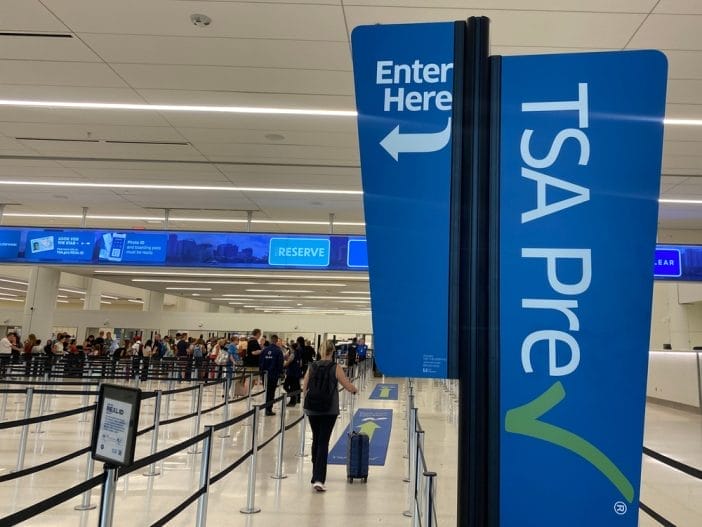
Flexibility also plays a crucial role in navigating today’s travel environment. Checking airport wait times in advance, when available, can help travelers adjust plans before arriving. Some airports now provide real-time updates that give a clearer picture of what to expect. Staying informed about potential disruptions, especially during periods of political uncertainty or budget negotiations, can also help travelers avoid unpleasant surprises. While individuals cannot fix systemic issues, they can take steps to reduce their own stress and move through the system more efficiently. A little preparation goes a long way when the system itself struggles to keep up.
Fixing a System Under Strain
The challenges facing the TSA in 2026 reflect a broader issue within the travel infrastructure. Staffing shortages, funding instability, and rising demand create a perfect storm that no quick fix can solve. Long-term solutions will require consistent funding, better workforce support, and a serious commitment to modernizing technology across all airports. Policymakers will need to recognize that security efficiency plays a critical role in the overall travel experience and the economy as a whole. Without that recognition, the cycle of delays and frustration will continue to repeat itself.
Air travel will not slow down anytime soon, which means the pressure on the TSA will only grow. Addressing these challenges now could transform the experience into something smoother and more predictable. Ignoring them will only make those long lines even longer and more frustrating.
The question now becomes simple but important: what changes should come first, and how quickly can they happen? What strategies have worked best when dealing with airport chaos, and what ideas could actually make a difference? Please share your thoughts and experiences in the comments.
You May Also Like…
Cybercriminals Set Up “Evil Twin” Networks Near Airports and Hotels to Capture Passwords
Summer Flights Will Spike by March — Book Now or Pay 3X More
Budget Travel to Japan: Managing Your Money Smartly Abroad
10 Things to Remove from Your Wallet Before Traveling in 2026
Traveling in 2026: 9 Things the TSA Won’t Let You Pack Anymore
