
IRS Scam Alert: Ask This One Question Before You Pay—Most Callers Can’t Answer It
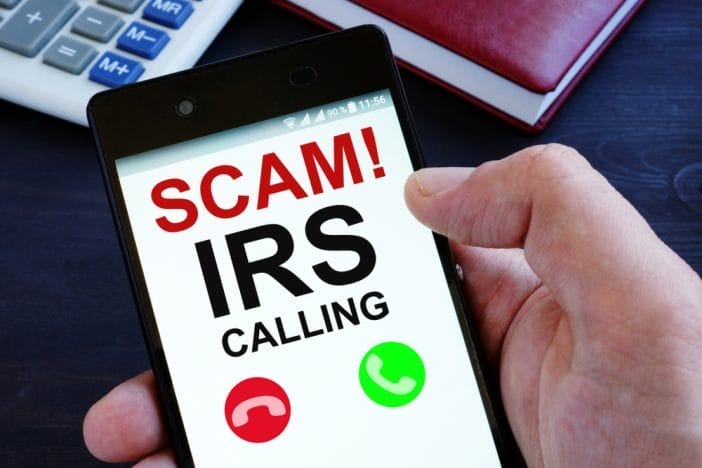
An unexpected phone call can flip a calm afternoon into a full-blown panic in seconds. The voice on the other end sounds serious, urgent, and just official enough to make anyone pause mid-step. The message lands hard and fast: unpaid taxes, legal trouble, immediate payment required. Suddenly, everything else fades into the background, and one question starts to echo louder than the rest—what if this is real?
That moment of uncertainty is exactly where scammers thrive, and they know how to press all the right buttons. They lean into fear, authority, and urgency, turning a simple phone call into a high-stakes situation that feels impossible to ignore. But one simple question can shut the whole operation down. Not a complicated trick, not a technical workaround—just a direct, grounded question that most scammers cannot answer without exposing themselves immediately.
The One Question That Changes Everything
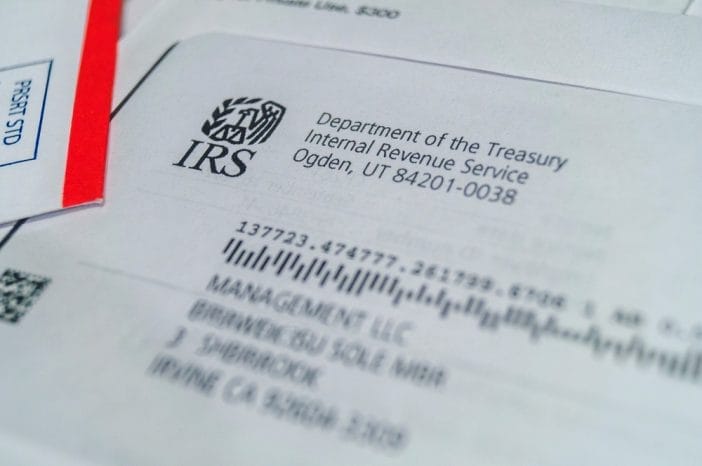
The question sounds almost too simple to work, yet it cuts through the noise with surprising power: ask for a written notice mailed through official channels. That’s it. No arguing, no explaining, no rushing to defend anything—just a calm request for documentation sent by mail. The real Internal Revenue Service does not operate like a high-pressure sales team making surprise calls demanding instant payment. The IRS always starts with written communication, and that detail alone dismantles most scam attempts before they even get going.
Scammers hate this question because it forces them out of their script, and their script depends entirely on urgency. They need quick reactions, emotional responses, and snap decisions that leave no time for verification. When someone calmly asks for official documentation by mail, the urgency collapses, and the scammer loses control of the situation. Many will hang up immediately, while others may stumble through weak excuses about why they cannot send anything. That hesitation tells a clear story without requiring any further investigation.
This single question works because it shifts the power dynamic completely. Instead of reacting to pressure, the conversation becomes grounded in process and verification. The IRS does not demand payment through phone calls, gift cards, or wire transfers, and it never skips the paper trail. That consistency provides a reliable anchor point, and anyone can use it in the moment without needing specialized knowledge. It turns a confusing situation into something clear and manageable, which is exactly what scammers try to avoid.
Why These Calls Sound So Convincing
Scam calls succeed because they feel real, and that realism doesn’t happen by accident. Callers often use official-sounding language, badge numbers, and even spoofed phone numbers that appear legitimate on caller ID. Some go further and reference partial personal information, which adds a layer of credibility that can catch anyone off guard. That combination creates a convincing illusion, and it works because it mirrors the tone and structure people expect from authority figures.
The emotional angle plays an even bigger role than the technical tricks. These callers build urgency by threatening arrest, lawsuits, or financial penalties, and they deliver those threats with a steady, confident tone. That pressure creates a sense of immediate danger, pushing people to act quickly instead of thinking things through. The faster someone reacts, the less time they have to question what’s happening, and that’s exactly what scammers want.
Understanding this pattern makes it easier to break free from it. Real IRS communication does not rely on fear-driven tactics or immediate payment demands, and it never pressures anyone to resolve issues on the spot over the phone. Taking a moment to pause and ask for written notice interrupts the emotional momentum, and that pause often makes all the difference. It replaces panic with clarity, which instantly weakens the scammer’s position.
Red Flags That Should Raise Eyebrows Instantly
Certain warning signs show up again and again in these scam attempts, and spotting them quickly can save a lot of trouble. One of the biggest red flags involves payment methods. Scammers frequently demand payment through gift cards, prepaid debit cards, or cryptocurrency, which offer little to no protection once the money is gone. The IRS does not operate this way, and any demand like this should trigger immediate suspicion.
Another major warning sign involves threats and deadlines that feel extreme or unrealistic. Claims about imminent arrest or legal action within hours simply do not align with how tax enforcement works. The IRS follows a structured process, and it does not jump straight to threats over the phone. When a caller tries to rush a decision with aggressive language, that pressure serves as a signal to slow things down rather than speed them up.
Caller behavior can also reveal a lot. Scammers often avoid detailed questions, deflect requests for verification, or become defensive when challenged. A legitimate representative should have no problem directing someone to official channels or explaining next steps clearly. Asking for written notice forces that moment of truth, and the response usually makes the situation obvious. Paying attention to these details turns a confusing interaction into something much easier to navigate.
Smart Moves That Keep Money and Identity Safe
Building a few simple habits can dramatically reduce the risk of falling for these scams. One of the most effective strategies involves refusing to engage with unexpected calls about taxes altogether. Hanging up and contacting the IRS directly through official channels removes the uncertainty and ensures accurate information. That extra step might take a few minutes, but it provides peace of mind that no scammer can replicate.
Keeping personal information protected also plays a crucial role. Sharing Social Security numbers, bank details, or other sensitive data over the phone creates opportunities for identity theft that extend far beyond a single scam. Staying cautious with that information and verifying requests before sharing anything adds a strong layer of protection. It keeps control firmly in the right hands instead of handing it over to someone who may not be legitimate.
Staying informed about common scam tactics helps sharpen awareness over time. These schemes evolve, but they often follow familiar patterns that become easier to recognize with experience. The more comfortable someone feels identifying those patterns, the less intimidating these calls become. Confidence replaces confusion, and that shift makes it much harder for scammers to gain any traction.
Take Back Control Before They Take Advantage
That one simple question—asking for written notice—turns a high-pressure situation into something manageable and clear. It strips away the urgency, exposes weak scripts, and creates space to think instead of react. The IRS operates within a predictable system, and leaning on that consistency offers a powerful defense against anyone trying to imitate it. Staying calm, asking the right question, and refusing to rush decisions keeps control exactly where it belongs.
Moments like these test instincts, but they also offer an opportunity to stay sharp and proactive. Recognizing the signs, trusting the process, and leaning on verified communication channels make a real difference. Every call handled with caution becomes one less opportunity for scammers to succeed, and that adds up quickly over time. The next time a suspicious call comes through, that simple question stands ready to flip the script completely.
What strategies have worked best when dealing with suspicious calls, and what tips would make others feel more confident in handling them? Drop those thoughts and experiences in the comments and keep the conversation going.
You May Also Like…
5 Places You Should Never Hide a Spare Key (Burglars Check These First)
Doctors Are Warning Men Over 50 About This Silent Symptom That Shows Up in the Bathroom First
Romance Scam Warning: Ask This One Question Before You Send Money
The 48 Hours After a Scam That Decide Whether You Recover or Not
Sleep Apnea Often Goes Undiagnosed in Men—These Early Signs Show Up First
