
How Advanced Collision Repairs Are Becoming More Expensive and Complex
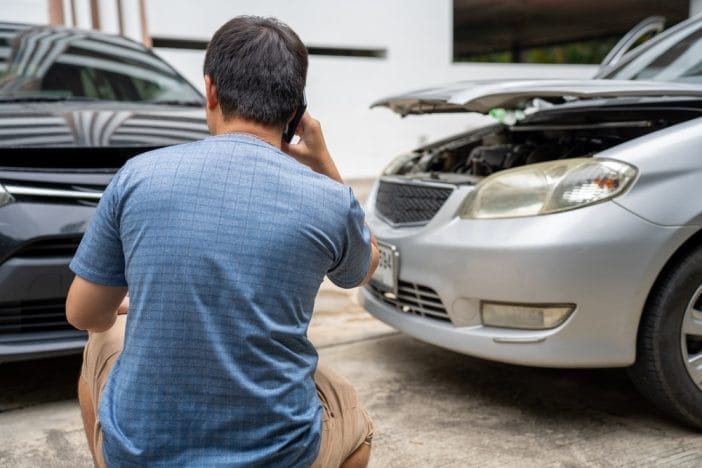
A simple fender-bender no longer stays simple. One small impact can trigger a repair bill that looks more like the price of a vacation than the cost of fixing a dent. Modern vehicles carry a stunning amount of technology under their sleek paint and polished panels. Cameras watch the road, radar systems track traffic, and sensors quietly guide everything from parking assistance to emergency braking. Those systems save lives every day, yet they also transform routine collision repairs into complex technical projects.
Body shops once relied mostly on skilled hands, sheet metal tools, and paint booths. Today, technicians combine those traditional skills with computer diagnostics, precision calibration equipment, and manufacturer-specific procedures. The collision repair industry now resembles a blend of mechanical engineering and digital technology. All that progress has delivered safer vehicles, but it has also driven repair costs upward.
When Cars Started Thinking for Themselves
Vehicles used to function like straightforward machines. A collision repair technician could replace damaged panels, repaint the area, and send the car back onto the road. That simple process no longer applies to most modern vehicles. Automakers now install advanced driver assistance systems, often called ADAS, in millions of vehicles. These systems include features such as lane-keeping assistance, forward collision warning, adaptive cruise control, and automatic emergency braking. Cameras, radar sensors, and ultrasonic sensors work together to monitor traffic conditions constantly.
Even a relatively minor accident can disrupt these delicate systems. A small shift in a bumper or grille might knock a radar sensor out of alignment. A replaced windshield could affect the forward-facing camera responsible for lane detection. After repairs, technicians must recalibrate these components so the safety systems function correctly again. Calibration requires specialized equipment and precise measurements. Shops often place vehicles inside controlled environments where targets and measurement tools allow technicians to fine-tune sensors to manufacturer specifications. This process takes time, training, and expensive equipment, which pushes repair costs higher.
Drivers benefit greatly from these technologies because they help prevent accidents and reduce injury risks. However, once a collision occurs, the repair process must restore those systems perfectly. Anything less could compromise safety features that drivers rely on every day.
Aluminum, Carbon Fiber, and the Materials Revolution
Vehicle materials have changed dramatically over the past decade. Automakers chase lighter vehicles because lighter weight improves fuel efficiency and performance. That shift has introduced advanced materials that behave very differently from traditional steel. Many manufacturers now use aluminum panels, high-strength steel structures, and even carbon fiber components in certain models. These materials protect passengers during crashes while reducing overall vehicle weight. Unfortunately, they also require specialized repair techniques.
Aluminum panels cannot simply receive the same treatment as steel panels. Repair technicians often need separate workspaces and tools designed specifically for aluminum repairs. Mixing steel and aluminum repair tools can even contaminate the materials and create corrosion problems.
High-strength steel presents another challenge. These components often form part of the vehicle’s safety structure. Technicians must follow exact manufacturer repair guidelines when dealing with these parts because improper repairs can weaken the vehicle’s ability to protect occupants during future collisions. Carbon fiber introduces even more complexity. This material appears in high-end vehicles and some electric models because it offers incredible strength with very low weight. When carbon fiber suffers damage, technicians frequently replace the component entirely instead of repairing it.
All these materials improve vehicle safety and efficiency, yet they demand specialized knowledge and equipment. That expertise does not come cheaply, which explains why advanced collision repairs continue climbing in cost.
The Hidden Technology Behind a Bumper
A bumper once served one basic purpose: to absorb a small impact and protect the rest of the vehicle. Modern bumpers now function as technology hubs packed with sensors and electronics. Parking sensors sit behind bumper covers. Radar units monitor traffic for blind-spot detection systems. Some vehicles even place adaptive cruise control radar directly behind the front grille or bumper structure. When a collision damages that area, technicians must carefully inspect every electronic component hidden inside.
Replacing a bumper cover might seem straightforward at first glance. In reality, technicians often remove and reinstall several sensors, reconnect wiring harnesses, and recalibrate safety systems. Each step requires attention to detail and manufacturer procedures. Paintwork has also grown more complicated. Many vehicles use multi-stage paint systems that require additional preparation and curing steps. Metallic finishes and specialty coatings demand careful matching to maintain a seamless appearance. Even a seemingly simple parking lot bump can require hours of diagnostic work and electronic calibration. That complexity explains why minor collisions can produce surprisingly large repair estimates.
Drivers can take a few practical steps to protect themselves from unexpected repair costs. Maintaining adequate insurance coverage, including collision coverage when appropriate, can soften the financial impact of modern repair bills. Choosing reputable repair shops with certified technicians also ensures that safety systems receive proper calibration.
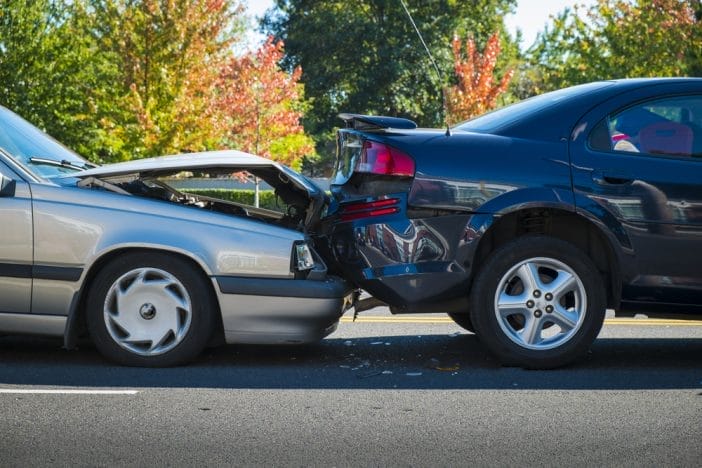
Electric Vehicles Add Another Layer of Complexity
Electric vehicles have entered the collision repair world with their own unique challenges. High-voltage battery systems require strict safety procedures whenever technicians perform structural repairs. Technicians must deactivate battery systems before certain repairs begin. Specialized training ensures that workers handle high-voltage components safely. Shops also need insulated tools and protective equipment designed for electric vehicle service.
Battery placement introduces additional considerations during collisions. Many electric vehicles mount their large battery packs beneath the floor of the car. Damage near that area can trigger careful inspections because battery integrity plays a critical role in vehicle safety.
Repair facilities that handle electric vehicles often invest heavily in training and equipment. That investment allows technicians to follow strict manufacturer guidelines while protecting both workers and vehicle owners.
Why Smart Preparation Matters More Than Ever
Modern vehicles deliver remarkable safety and comfort features, but those innovations bring new responsibilities for vehicle owners. Preparation can make a huge difference when accidents occur. Choosing insurance coverage carefully represents one of the most important steps. Higher repair costs mean that minimal coverage might leave vehicle owners facing significant expenses after a collision. Reviewing coverage limits and deductibles helps ensure that policies match the realities of modern repair costs.
Selecting the right repair facility also plays a critical role. Many automakers certify collision repair shops that meet strict training and equipment standards. These shops understand manufacturer repair procedures and maintain access to specialized tools required for advanced vehicles.
Routine vehicle care also matters more than many people realize. Clean cameras and sensors help safety systems operate properly, which can reduce accident risk. Addressing small issues quickly can also prevent more complicated problems later.
Modern vehicles represent incredible technological achievements. They protect passengers more effectively than ever before, but they also demand a higher level of care when accidents occur.
The New Reality of Fixing Today’s High-Tech Vehicles
Collision repair no longer resembles the straightforward process it once was. Modern vehicles carry a network of sensors, computers, advanced materials, and safety systems that demand precision repairs and specialized expertise.
That complexity explains why repair bills continue rising across the industry. Skilled technicians must combine mechanical knowledge, electronics expertise, and manufacturer training to restore vehicles properly after a collision.
What surprises you most about how modern vehicles get repaired today? Write your thoughts down in our comments section.
You May Also Like…
Top Tire and Brake Fixes Mechanics Are Seeing This Year and How to Reduce Costs
7 Things Mechanics Wish You Stopped Doing to Your Brakes
6 Things Mechanics See in Late Winter That Signal a Totaled Car
Mechanics Say Ignoring These 5 Engine Sounds Could Total Your Car
