
Homeowners Are Reporting the Same Strange Sign Before Break-Ins—And Police Are Taking Notice
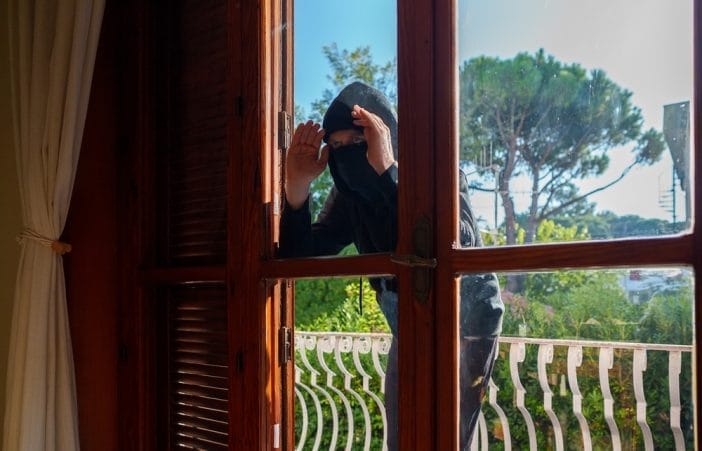
It’s a scene straight out of a thriller: you glance at your front yard, and something just feels off. Maybe it’s a package that wasn’t there yesterday, a weird mark near your door, or even a minor but oddly placed disruption in your garden. At first, you shake it off, chalking it up to coincidence, a random gust of wind, or a distracted neighbor. But then, news starts trickling in, and the pattern emerges: other homeowners in the area are noticing the same strange signs. And police are taking notice, too. Suddenly, what seemed like a small, odd quirk around your home transforms into a flashing warning signal you can’t ignore.
Break-ins aren’t exactly new, but the way criminals are signaling themselves before a heist is turning heads. It isn’t about complicated tactics or high-tech gadgets—it’s a simple, low-key gesture that can make all the difference for someone paying attention. These subtle cues have left law enforcement intrigued and homeowners scrambling to stay one step ahead.
The Tiny Clues That Pack a Punch
Experts and police reports are starting to highlight a pattern that might feel eerie in its simplicity. Criminals sometimes leave minor markers around a home to signal whether it’s an easy target. These can include a small scratch on a doorframe, a sticker placed on a mailbox, or a random object tossed oddly near the entrance. At first glance, these markers might appear harmless or even accidental. Yet, when viewed in context with a series of break-ins, they form a roadmap that law enforcement is learning to decode. It’s like a secret code that only a trained eye—or an observant homeowner—can catch.
This isn’t something confined to dark alleys or high-crime districts. Suburban streets, quiet cul-de-sacs, and even apartment complexes have seen these subtle signals pop up. Police encourage residents to report anything unusual, no matter how insignificant it may seem. Even a sticker that looks like it’s part of a promotion could hold meaning in this clandestine language of burglars. Installing cameras or motion sensors around entry points isn’t just tech-savvy paranoia; it’s one of the best ways to catch these signals before trouble strikes. Paying attention to seemingly minor details has become an essential part of keeping your home safe in today’s environment.
How Homeowners Are Fighting Back
Once homeowners catch onto these subtle signs, the next question is, what can they actually do? First and foremost, vigilance becomes your superpower. Checking your property daily, making mental notes of unusual marks, and communicating with neighbors helps build a safety network that can deter criminals. Some communities have even implemented digital neighborhood watch groups, allowing residents to instantly report suspicious activity. A simple picture of a weird mark sent to local law enforcement can make all the difference in prevention.
Securing weak points in your home is another essential step. Doors, windows, and even smaller points like vents or gates can serve as entry points if left unprotected. Installing high-quality locks, motion-sensitive lighting, and visible cameras can make your home less attractive to would-be intruders. Beyond hardware, homeowners can also use landscaping creatively—keeping bushes trimmed, pathways well-lit, and front yards visible from the street adds an extra layer of deterrence. In many cases, the mere perception that someone is watching can be enough to convince burglars to move on. Combining awareness with practical steps creates a proactive approach that makes your home a much harder target.
When Police Take Note, You Should Too
Local police departments across the country have started cataloging these subtle pre-break-in signs, using the data to anticipate crime trends. This proactive approach doesn’t just protect individual homes; it helps entire neighborhoods. Law enforcement urges residents to take anything unusual seriously, no matter how minor it seems. Some departments are even training officers to recognize patterns that the average person might miss, ensuring that early warning signs don’t go unnoticed.
Awareness alone isn’t enough—it’s about taking action. Reporting suspicious activity, installing monitoring systems, and communicating with neighbors are all steps that reinforce the police’s efforts. Authorities also recommend simple strategies like keeping your property well-maintained, ensuring doors and windows are locked, and having clear lines of sight around your home. Being proactive can reduce the chances that burglars even consider your house. The overarching idea is that criminals rely on ease and opportunity. Remove those elements, and you dramatically increase your odds of staying safe.
Everyday Habits That Keep Intruders Guessing
Protection isn’t only about cameras and locks; it’s also about developing habits that make your home unpredictable. Simple routines, like varying when you bring in the mail, changing outdoor lighting schedules, or even rotating decorations, can disrupt patterns that criminals watch for. Pets, even small dogs, add movement and noise, which can deter suspicious visitors. Leaving timers on lights or TVs when you’re away simulates occupancy, another classic deterrent that keeps burglars guessing.
These habits don’t have to be extreme or expensive. In fact, minor tweaks to daily life can produce significant security benefits. Neighborhood communication plays a huge role, too. Sharing information about suspicious activity, coordinating watch schedules, or posting alerts online creates an environment where intruders feel unwelcome. Combining awareness, minor adjustments, and community coordination turns a potentially vulnerable home into a fortress of common-sense protection.
Your Home, Your Rules
The key takeaway is simple but powerful: noticing the small, strange signs before a break-in can save a lot of stress, loss, and worry. Homeowners have proven that paying attention, communicating with neighbors, and taking small, smart preventative steps dramatically reduces risk. Police involvement isn’t just for reporting; it’s part of a larger, coordinated effort to make neighborhoods safer for everyone. It’s no longer just about securing your property—it’s about understanding the signals that can prevent a crime from ever happening.
Every detail matters, from a minor mark on a doorframe to an oddly placed object near a porch. Being proactive, vigilant, and engaged creates a home environment that isn’t just safe but practically unappealing to burglars.
What small steps could you implement today to protect your space? Share your ideas, strategies, or stories in the comments section, and let’s turn these strange warning signs into powerful tools for safety.
You May Also Like…
6 Unexpected Ways Your Trash Can Be Used to Steal Your Information
Essential Water Heater Knowledge for Homeowners
Why Some Americans Are Removing Smart Devices From Their Homes Completely
8 Things You Should Never Leave in Your Car Overnight—Even in “Safe” Neighborhoods
Is Your Neighborhood Safe? These 5 Simple Home Upgrades Deter Burglars Fast
