
Home Inspectors Say This $12 Fix Could Void Your Entire Home Insurance Policy
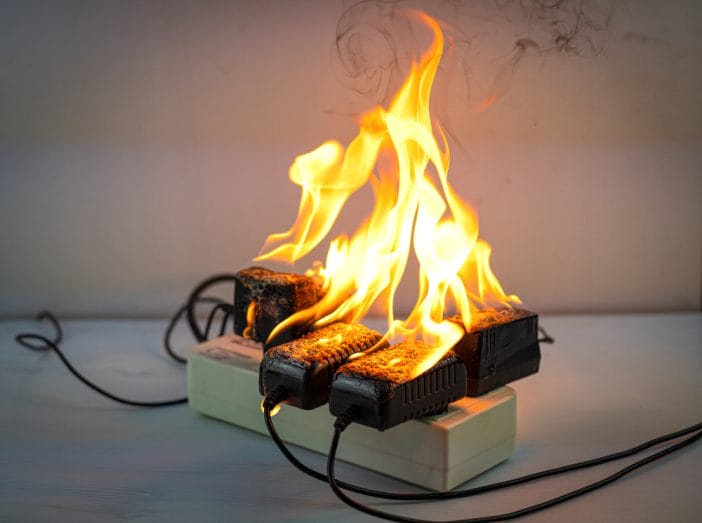
Your house is quiet. The coffee is brewing. Life is good—until a home inspector casually points at a tiny plastic gadget and drops a sentence that makes your stomach fall through the floor. One cheap “fix.” One innocent decision. And suddenly your insurance coverage could evaporate faster than a puddle in July.
This isn’t a horror movie or clickbait folklore. It’s a real issue inspectors see every single week, and it often starts with a $12 purchase that seems helpful, harmless, and wildly convenient.
The Tiny Adapter That Causes Huge Problems
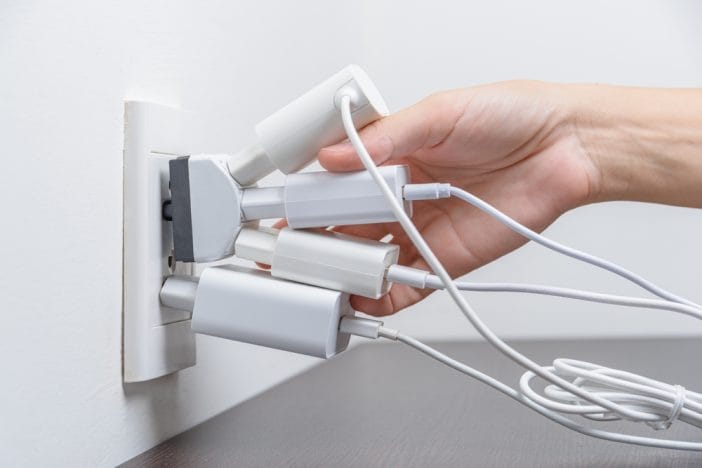
Home inspectors frequently point to one small item that creates outsized trouble: the three-prong to two-prong electrical outlet adapter, often called a “cheater plug.” It’s that little gray or orange adapter people buy when an older home doesn’t have grounded outlets. Plug it in, and suddenly your modern electronics fit, and everything feels solved. The problem is that nothing is actually fixed. The adapter doesn’t magically create a ground; it simply hides the absence of one.
Inspectors routinely flag these during evaluations because they create a serious electrical hazard. Insurers don’t love hazards, especially ones that increase fire risk. In many cases, the presence of ungrounded outlets masked by adapters can violate underwriting rules, leading to denied claims or canceled policies.
Why Homeowners Install It Without Thinking Twice
Most homeowners aren’t being reckless or sneaky. They’re being practical. Older homes often have two-prong outlets, and modern life runs on three-prong plugs. Laptops, air fryers, gaming consoles, power tools—none of them fit. Spending thousands on rewiring feels extreme when a $12 solution is sitting on a hardware store shelf. The packaging doesn’t scream danger. Friends recommend it. Online reviews praise it. From the outside, it looks like a clever workaround. Inspectors understand this completely, which is why they emphasize education rather than blame. The issue isn’t intent; it’s risk. And insurers are obsessed with risk, especially hidden electrical risk.
How Insurance Companies Actually View This “Fix”
Insurance policies are full of clauses about “material changes” and “increased hazards.” When an insurer underwrites your home, they’re making assumptions about electrical safety. Ungrounded outlets already raise eyebrows. Ungrounded outlets that are actively being used as if they are grounded raise red flags the size of billboards. If a fire starts and investigators trace it back to faulty wiring or improper grounding, insurers may argue that the homeowner knowingly used unsafe electrical practices. That argument can lead to denied claims, partial payouts, or policy cancellation.
Even worse, some homeowners only learn this after a disaster strikes. Inspectors warn that insurers are far less forgiving after the fact than they are during inspections.
Why Inspectors Take This So Seriously
Home inspectors don’t flag these adapters to be dramatic or nitpicky. They do it because they’ve seen the aftermath. Ungrounded outlets increase the risk of electrical shock, appliance damage, and overheating. Electronics designed for grounded systems behave unpredictably without them. Inspectors also know that adapters encourage homeowners to plug in high-draw devices like space heaters or window AC units. That combination—high load plus improper grounding—is a recipe for trouble. Inspectors often note these adapters in bold language because they know lenders and insurers pay attention. It’s not about failing an inspection; it’s about preventing a dangerous misunderstanding from becoming an expensive disaster.
The Safer Alternatives Inspectors Recommend
The good news is that inspectors don’t just point out problems—they suggest solutions. One option is installing GFCI outlets, which can be added without full rewiring and provide shock protection even without a ground. Another option is a partial rewire focused on high-use areas like kitchens and home offices. Some homeowners choose to install a new grounded circuit for modern electronics. None of these options cost $12, but they cost far less than a denied insurance claim. Inspectors emphasize that visible, code-compliant solutions signal responsibility to insurers. That signal matters more than most homeowners realize.
Why This Keeps Catching People Off Guard
This issue surprises homeowners because it lives in the gap between convenience and compliance. Hardware stores sell the adapter. Friends use it. The lights turn on. Nothing explodes. So it feels fine. Insurance policies, however, don’t care about feelings or anecdotes. They care about risk models and documented hazards. Inspectors are often the first people to connect those dots for homeowners. When buyers discover several adapters during a pre-purchase inspection, it can delay closings or trigger insurance re-quotes. Long-time homeowners are often shocked to learn that a tiny plastic piece could undermine decades of coverage. That shock is exactly why inspectors keep talking about it.
Small Fix, Big Conversation
That $12 adapter may look like a hero, but inspectors see it as a villain in disguise. It’s cheap, common, and easy to overlook, yet it can ripple outward into inspections, insurance policies, and safety concerns that no homeowner wants to deal with. The real lesson isn’t fear—it’s awareness. Knowing why inspectors flag certain “fixes” helps homeowners make smarter choices and avoid expensive surprises.
If you’ve encountered this issue during an inspection or found a creative solution in your own home, jump into the comments below and let others learn from your experience.
You May Also Like…
Fire Marshals Say This Common Extension Cord Setup in North Carolina Homes Is Now a Code Violation
10 DIY Trends That Are Making Home Insurance More Expensive
8 Social Media Posts That Attract Home Insurance Investigators
Car Insurance Up Again? 9 Practical Ways to Bring It Back Down
7 Reasons Cold Weather Routines Increase Miscommunication at Home
