
Georgia and Florida Drivers: Muddy License Plates Can Lead to Fines Under Visibility Laws
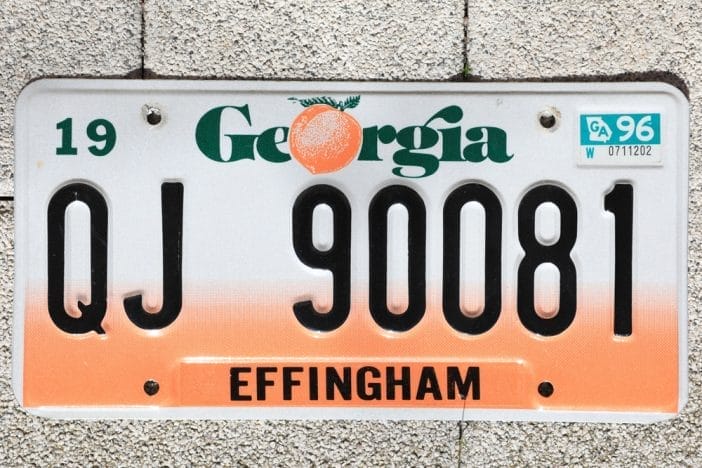
A thick layer of mud might look like nothing more than evidence of a weekend adventure, but that gritty splash across a license plate can turn into a quick ticket on the side of the road. Georgia and Florida drivers face a simple rule with real consequences: license plates must remain visible and readable at all times. That means dirt, mud, grime, or even certain covers can land drivers in trouble if they hide important details on the plate.
Plenty of drivers cruise around without realizing the issue until flashing lights appear in the rearview mirror. Law enforcement officers rely on license plates for identification, safety checks, and investigations, so states expect them to remain clear and legible. Georgia and Florida both enforce laws that require drivers to keep plates unobstructed, and that requirement includes something as ordinary as road grime.
The Simple Visibility Rule That Drivers Forget All the Time
Georgia and Florida keep their expectations straightforward: license plates must remain clearly visible and readable. That rule sounds simple enough, yet plenty of vehicles roll down the highway with dirt, mud, or debris covering parts of the plate. State law enforcement agencies view that obstruction as a problem because officers rely on those plates to identify vehicles quickly. When numbers or letters disappear behind grime, that identification process becomes much harder.
Georgia law requires plates to remain plainly visible and maintained in a condition that allows easy reading. Florida law follows the same basic idea and states that plates must stay free from obscuring materials so officers can read the letters and numbers. Even a partial obstruction can create trouble if the plate number cannot be recognized from a reasonable distance. Officers can initiate a traffic stop if mud, road salt, bumper stickers, or decorative frames block any portion of the plate.
A muddy road trip through rural backroads or a rainy drive down a construction-heavy highway can leave plates coated with grime. Drivers often step out of the car, glance at the windshield, and move on without checking the rear bumper. Meanwhile, that license plate might look like a brown rectangle with no visible numbers.
Law enforcement officers do not need to prove criminal intent in these situations. They only need to observe that the plate fails to meet visibility requirements. That small oversight can lead to a warning in some cases, but it can also lead to a citation depending on the officer’s judgment and the local enforcement approach. Drivers who want to avoid unnecessary stops should treat the license plate like any other important vehicle feature. Clean headlights, working brake lights, and visible plates all sit on the same checklist of basic driving responsibilities.
Mud, Frames, and Covers: The Surprising List of Plate Obstructions
Mud ranks high on the list of common plate problems, especially after heavy rain or rural travel. Tires fling debris across the back of a vehicle, and that mud can dry into a thick crust that hides the plate’s letters and numbers. A quick glance might still reveal a plate shape, but law enforcement officers need clear visibility of the entire registration number.
Decorative license plate frames also cause trouble more often than people expect. Some frames look stylish but block the state name or part of the plate number. In both Georgia and Florida, anything that obstructs the identification details on a plate can violate the law. That includes frames that cover corners of letters, tinted plate covers, and novelty accessories that distort visibility.
Plastic plate covers spark another issue. Some covers promise protection from weather damage, but tinted versions can make plates difficult to read from certain angles or distances. Police officers frequently cite those covers because they interfere with plate recognition systems and manual identification.
Even harmless-looking bumper decorations can cause problems when they creep too close to the plate area. Stickers, straps, bike racks, or trailer hitches sometimes block a portion of the plate without the driver noticing. That partial obstruction might seem trivial until an officer attempts to read the plate during a patrol. Drivers who love customizing their vehicles should take a moment to inspect the plate area from a few steps back. If the numbers and letters pop into view instantly, the vehicle likely meets visibility standards. If any part hides behind accessories or dirt, a quick adjustment can prevent a roadside headache.
Why Law Enforcement Pays Close Attention to Plate Visibility
License plates act as the identification badge of every vehicle on the road. Officers run plate numbers through databases to check registration status, identify stolen vehicles, and track serious traffic violations. That quick scan plays a critical role in everyday policing and road safety.
Modern patrol vehicles often include automatic license plate reader systems that scan plates as cars pass by. These systems compare plate numbers against databases connected to stolen vehicles, outstanding warrants, and other alerts. A muddy or obstructed plate disrupts that process and prevents accurate scanning.
Even without advanced technology, officers rely heavily on visual plate checks during routine patrols. A clear plate allows quick identification if a vehicle matches the description from a report or investigation. When the plate becomes unreadable, the officer loses that essential tool.
A dirty plate might seem harmless, but it interferes with the entire identification process. That reality explains why officers treat plate visibility as more than a cosmetic issue.
Easy Ways Drivers Can Avoid a Completely Preventable Ticket
Drivers can dodge this problem with a few quick habits that require almost no effort. A simple walk-around inspection after a long drive can reveal whether mud or grime has covered the license plate. That check takes less than ten seconds and can prevent a costly fine.
A small cleaning cloth or pack of wipes stored in the glove compartment can solve the issue instantly. If mud splashes across the rear bumper after a storm or dirt road drive, a quick wipe restores visibility in seconds. Drivers who wash their cars regularly should also include the license plate in that routine cleaning process.
Vehicle owners should also check license plate frames and covers carefully. If a frame hides the state name or touches the plate number, removing it might eliminate potential trouble. Clear, simple frames that sit outside the plate area typically work best.
Drivers who frequently travel through muddy or rural roads might benefit from checking the plate after every trip. A thick layer of dried dirt can form surprisingly fast after a single drive through wet conditions. These quick steps protect drivers from unnecessary interactions with law enforcement and keep vehicles compliant with state regulations. A clean plate might not look glamorous, but it quietly prevents an avoidable ticket.
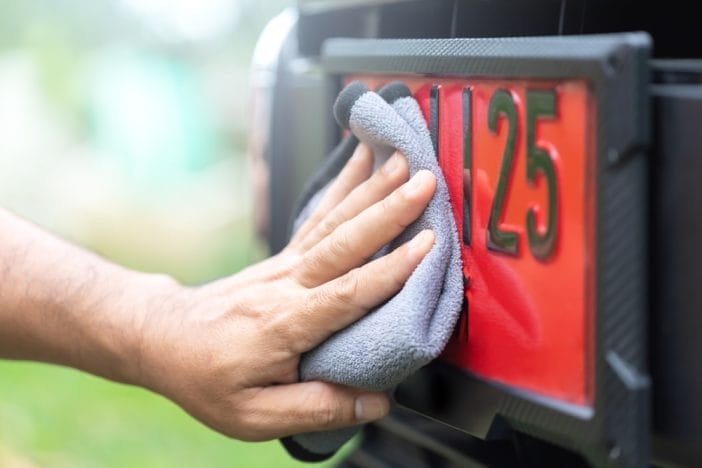
A Five-Second Check That Can Save Drivers Real Money
Georgia and Florida drivers juggle enough challenges on the road without adding preventable fines to the list. License plate visibility laws exist for a straightforward reason: officers must identify vehicles quickly and accurately. Mud, decorative frames, and tinted covers may seem harmless, but they can hide crucial information and trigger a traffic stop.
A quick glance at the rear bumper before pulling out of the driveway can make a big difference. Clean plates stay readable, comply with state law, and allow law enforcement to perform necessary safety checks without interference. That small step keeps the focus on the road rather than on flashing lights and paperwork.
Have you ever noticed how many cars drive around with completely filthy license plates after a rainy week? Give us your thoughts or tips in the comments.
You May Also Like…
Why Vehicle Recalls Are Spiking and Which Cars Are Most Affected in 2026
8 Cold-Weather Driving Habits That Destroy Your Suspension
Performance Software Solutions for Everyday Driving
