
Experts Warn: This Overlooked Outage Step Can Burst Pipes While You Sleep
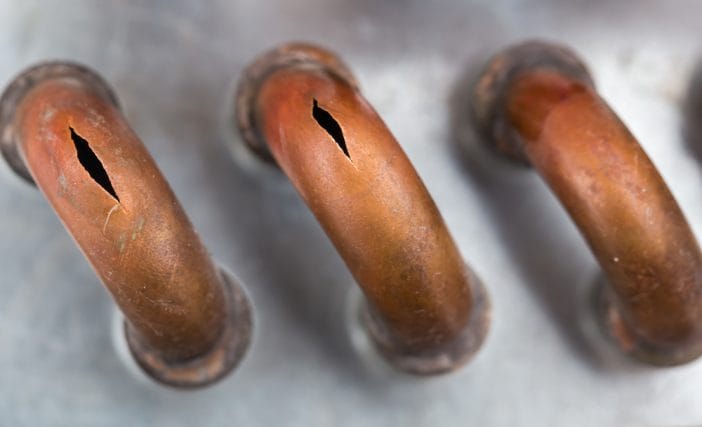
When the power goes out on a freezing night, most people grab flashlights and blankets, but forget one critical step that could save them thousands in plumbing repairs. Experts warn that failing to drain or run your faucets during a winter outage can cause pipes to freeze and burst while you sleep, flooding your home the moment heat returns. Here’s what you need to know to protect your home before the damage is done.
Why Frozen Pipes Are a Silent Disaster
When temperatures drop below 32°F, and your heat goes out, the water sitting inside your pipes begins to freeze. As it turns to ice, it expands by about 9%, putting immense pressure on the pipe walls. This pressure can cause cracks or full ruptures, especially in uninsulated or exterior-facing pipes. The real danger comes when the power returns and the ice thaws, releasing water into your walls, floors, and ceilings. It’s a disaster that can unfold quietly overnight, leaving you with thousands in water damage by morning.
The One Step Most Homeowners Forget
According to plumbing experts, the most overlooked step during a winter outage is opening your faucets slightly to keep water moving. When water sits still in pipes during freezing temperatures, it’s far more likely to freeze. But a slow drip, especially from both hot and cold taps, relieves pressure and keeps water flowing. This simple action can prevent ice blockages and reduce the risk of bursting. Yet many homeowners skip it, assuming their pipes are safe if the heat returns quickly.
Prioritize These Faucets First
Not all faucets are created equal when it comes to pipe protection. Focus on those connected to pipes that run through unheated areas like basements, attics, crawl spaces, and exterior walls. These are the most vulnerable to freezing and should be your top priority. If you’re unsure which faucets are at risk, err on the side of caution and open them all slightly. Even a slow drip can make a big difference in preventing frozen pipes.
Don’t Forget to Shut Off Outdoor Water Lines
Before winter even begins, you should shut off and drain all outdoor spigots and irrigation systems. These lines are especially prone to freezing and can burst without warning. If you haven’t already, locate the shut-off valve inside your home and turn it off, then open the outdoor faucet to let any remaining water drain out. Consider installing frost-proof hose bibs or using insulated covers for added protection. This step is often forgotten but can prevent major springtime surprises.
What to Do If You Suspect a Frozen Pipe
If you turn on a faucet and only a trickle comes out, you may have a frozen pipe. First, turn off your home’s main water supply to prevent flooding if the pipe bursts. Then, try to gently warm the pipe using a hair dryer, heating pad, or warm towels, and never use an open flame. Start near the faucet and work your way toward the frozen section. If you can’t locate or access the frozen area, call a licensed plumber immediately.
Long-Term Fixes to Prevent Future Freezing
While emergency steps are crucial, long-term solutions offer better peace of mind. Insulate exposed pipes with foam sleeves or heat tape, especially in unheated areas. Seal gaps around windows, doors, and foundations to keep cold air out. If you live in a region like North Carolina, where winter outages are becoming more common, consider installing a whole-house generator or battery backup for your heating system. Prevention is far cheaper than cleanup.
The Cost of Ignoring This Advice
A single burst pipe can release hundreds of gallons of water per hour, damaging drywall, flooring, insulation, and personal belongings. Insurance may cover some of the damage, but deductibles and exclusions often leave homeowners footing a large bill. The average cost to repair a burst pipe and water damage is $5,000 to $10,000, depending on severity. And that doesn’t include the emotional toll of losing irreplaceable items or being displaced during repairs. Taking a few minutes to open your faucets could save you weeks of stress and thousands in expenses.
A Midnight Drip Could Save Your Morning
When the lights go out and the temperature drops, it’s easy to focus on staying warm and waiting it out. But your plumbing doesn’t wait. It reacts to the cold immediately. That’s why running your faucets during a power outage is one of the smartest, simplest things you can do. It’s not about fancy gadgets or expensive upgrades; it’s about knowing what to do when the heat goes off. Don’t let a forgotten faucet turn into a flooded nightmare.
Have you ever dealt with frozen pipes during a winter outage? What’s your go-to strategy for keeping your plumbing safe? Share your tips in the comments!
What to Read Next
The Forgotten Risk: Why Power Outages Are More Dangerous When You’re Alone
Why Service Alerts On Your Phone Shouldn’t Be Ignored
The Surprising Reason So Many Americans Carry Extra Underwear
5 Things You Need To Be Prepared For When The Internet Goes Down
