
Buyer Beware: 7 Things Never to Buy Used for Babies
When you’re preparing for a new baby, saving money feels smart—and buying secondhand can seem like the obvious solution. Thrift stores, online marketplaces, and hand-me-downs from friends can shave hundreds off your budget. But not everything is safe to buy pre-owned, especially when it comes to your baby’s health, safety, and well-being. Some items come with expiration dates, hidden damage, or outdated safety standards that aren’t visible at first glance. To help you make informed choices, here are seven things never to buy used for babies—no matter how tempting the price tag.
1. Car Seats
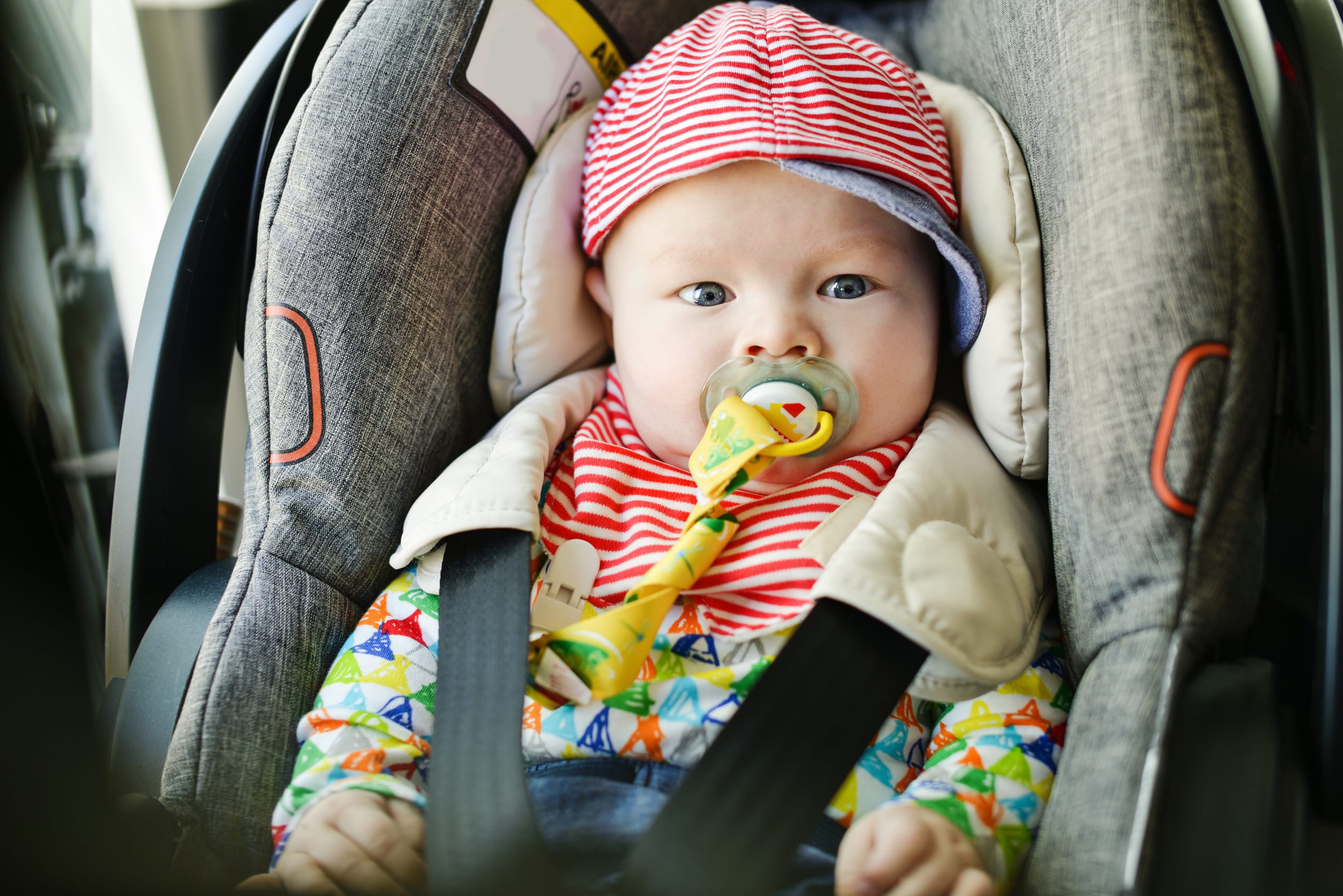
A car seat is at the very top of the list of things never to buy used for babies. Even if a secondhand seat looks spotless, there’s no way to be completely sure it hasn’t been in a crash. Car seats also have expiration dates due to degrading materials and evolving safety standards. Straps may be stretched, buckles may be compromised, and older models might not meet current regulations. For something that protects your baby’s life every time you drive, it’s worth investing in a new one.
2. Cribs
Cribs are another essential item where safety standards have changed significantly over the years. Drop-side cribs, for example, have been banned in the U.S. due to numerous safety concerns, including fatal accidents. Older cribs may also have slats that are spaced too far apart or corner posts that pose strangulation hazards. Hardware can be missing, broken, or repaired improperly without your knowledge. If you want peace of mind, buying a new crib that meets current safety regulations is the way to go.
3. Breast Pumps
While it might seem thrifty to borrow or buy a used breast pump, most consumer-grade models are designed for single users only. Internal components can harbor bacteria, mold, or viruses that are impossible to clean properly. Even if the exterior is sanitized and new tubing is added, the motor and internal parts remain a contamination risk. Hospital-grade pumps are an exception, as they’re built for multiple users with closed systems. But for everyday use, buying a personal, new breast pump is safer for both mom and baby.
4. Infant Mattresses
An infant mattress may not seem risky at first glance, but it’s one of the most important things never to buy used for babies. Mattresses can absorb sweat, urine, allergens, and even mold over time, all of which are hard to fully clean or disinfect. A mattress that has lost its firmness also increases the risk of suffocation or sudden infant death syndrome (SIDS). In addition, used mattresses may not fit snugly in newer cribs, creating dangerous gaps. For safety and hygiene, a firm, new crib mattress is always a smarter option.
5. Pacifiers and Bottle Nipples
These small items may not cost much, but they should never be purchased secondhand. Pacifiers and bottle nipples degrade with use and can harbor bacteria in tiny cracks or tears. Even if they look clean, there’s no way to know how they’ve been stored or cleaned in the past. Silicone and rubber materials also weaken over time, posing a choking risk. It’s best to always buy these new and replace them regularly to ensure your baby’s safety.
6. Baby Bottles (Used)
While buying a used baby bottle may seem harmless if you replace the nipples, it’s still not a good idea. Plastic can degrade and leach chemicals, especially when repeatedly heated and washed. Older bottles may also contain BPA or other materials that are no longer recommended for infants. Microscopic scratches on the inside of used bottles can trap bacteria and are nearly impossible to clean completely. When it comes to feeding essentials, new is always best for your baby’s health.
7. Baby Carriers and Slings
Baby carriers can be expensive, which makes them a popular item to search for used—but it’s a gamble. Straps, buckles, and seams may wear down with time, compromising your baby’s safety. Even small tears can grow quickly under pressure, especially if the carrier is worn frequently. In addition, newer carriers come with improved ergonomic designs and better support for both parent and child. If you’re considering a carrier, test it out in person or buy new from a trusted brand with strong safety reviews.
Cutting Costs Without Cutting Corners
It’s completely possible to raise a baby on a budget while still prioritizing safety. The key is knowing which items can safely be reused—like clothes, books, and toys—and which ones absolutely shouldn’t be. Choosing to buy new for essential gear might cost a little more upfront, but it pays off in peace of mind. Think of it as investing in your baby’s health and well-being, which is always worth it. Smart spending means saving money in the right places, not risking it where it counts most.
Which baby items have you chosen to buy new or skip secondhand? Share your must-have safety tips in the comments!
Read More:
