
9 Ways Burglars Can Tell You’re Not Home (Even If You Think You’re Safe)
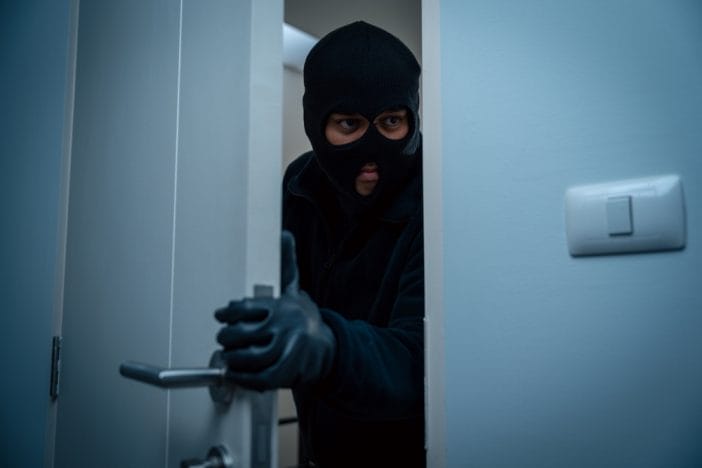
A quiet house doesn’t just feel peaceful—it sends a message. And sometimes, that message travels a lot farther than expected. A dark window, an untouched driveway, or a stack of mail can turn a normal home into an open invitation for the wrong kind of attention.
Burglars don’t rely on luck. They watch, they notice patterns, and they pick up on details that most people overlook. That means a home can look perfectly fine on the surface while quietly broadcasting one big signal: nobody’s home. Thankfully, once those signals become clear, they also become fixable.
1. Lights Off, Patterns On: When Darkness Gives You Away
A dark house at night doesn’t always mean trouble, but consistent darkness sends a clear signal over time. Burglars don’t just pass by once and make a decision. They often observe patterns, which means a home that stays dark every evening starts to stand out in the worst possible way. Lights that never turn on suggest absence, especially in neighborhoods where activity usually continues into the evening. Even during the day, drawn blinds paired with zero interior movement can raise suspicion. A house that looks frozen in time becomes easy to spot for someone paying attention.
Smart lighting can flip that script instantly. Timers or automated systems can turn lights on and off at realistic intervals, creating the illusion of movement and routine. Randomized schedules work even better because they avoid the predictable “on at 7, off at 10” pattern that burglars recognize quickly.
Leaving a porch light on constantly doesn’t solve the problem either. A single light that never changes becomes just as predictable as complete darkness. Movement, variation, and small inconsistencies make a home feel alive, and that perception can make all the difference.
2. Mailbox Overflow: The Classic Red Flag That Still Works
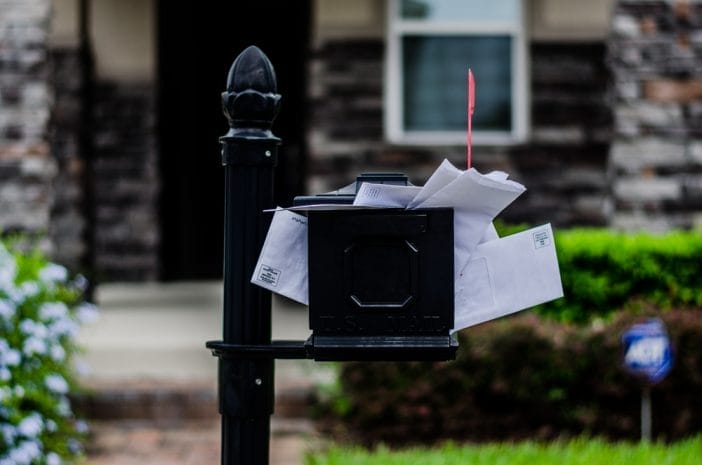
A stuffed mailbox practically waves a flag that says nobody has checked in for days. Flyers, packages, and envelopes piling up don’t just look messy—they send a timeline. Anyone walking by can estimate how long the house has sat empty, and that information becomes incredibly valuable. Packages sitting on the doorstep add another layer of risk. Online shopping has turned front porches into drop zones, which means unattended boxes can signal both absence and opportunity. A single delivery might not matter, but multiple packages stacked together create a clear pattern.
Holding mail through the postal service or asking a trusted neighbor to collect it can shut down this signal completely. Package lockers or scheduled deliveries can also reduce exposure. The goal here isn’t perfection—it’s consistency that makes the home look actively managed. Even small details matter. Newspapers left on the driveway or flyers stuck in the door handle can tell the same story. Keeping entry points clear and tidy removes one of the easiest clues burglars rely on.
3. Silent Driveways and Untouched Snow: The Ground Tells a Story
A driveway can speak louder than anything inside the house. Tire tracks, footprints, and general activity all paint a picture of daily life. When that picture doesn’t change, it sends a message that something has stopped. In colder months, untouched snow becomes an obvious giveaway. A driveway covered in fresh snowfall with no tracks suggests nobody has come or gone for a while. In warmer seasons, dust, leaves, or debris collecting without interruption can signal the same thing.
Regular movement matters here. Asking someone to park in the driveway occasionally or hiring a service to maintain the property can create the illusion of presence. Even something as simple as moving a vehicle periodically can shift how the home appears from the outside. Burglars don’t need certainty—they just need enough confidence to take a chance. Breaking up those visual cues makes that decision harder and less appealing.
4. Social Media Oversharing: The Digital Tip-Off
Posting vacation photos in real time might feel exciting, but it also broadcasts location and timing. Public posts can reveal that nobody currently occupies the home, especially when they include details about travel dates or extended stays. Even accounts set to private can leak information through shared networks or accidental visibility. A tagged location, a countdown post, or a “gone for the week” update can all provide clues that someone with bad intentions could use.
Saving those posts for later can eliminate that risk without sacrificing the fun. Sharing highlights after returning home keeps the experience intact while removing the live signal that the house sits empty. Location services on apps can also reveal patterns over time. Turning off automatic location sharing or limiting visibility adds another layer of control. The goal isn’t silence—it’s timing and awareness.
5. Lawn and Exterior Neglect: When Maintenance Stops, People Notice
An overgrown lawn doesn’t just look untidy—it tells a story about absence. Grass that grows unchecked, leaves that pile up, and neglected landscaping all point to a lack of recent attention. That visual neglect can make a home feel abandoned, even if it’s only temporary. Seasonal changes amplify this effect. In fall, piles of leaves can signal days without maintenance. In spring and summer, rapid grass growth can quickly become noticeable. These details don’t require close inspection; they stand out from the street.
Scheduling regular lawn care can maintain a sense of normalcy. Even if nobody stays home, the property continues to look active and cared for. That consistency can discourage anyone looking for easy targets. Small touches can help too. Moving trash bins back promptly or keeping outdoor spaces tidy reinforces the impression that someone stays engaged with the property.
6. No Noise, No Movement: Stillness Can Speak Volumes
A completely silent home can feel peaceful, but total stillness over time raises questions. No lights changing, no doors opening, no visible activity at any hour—those patterns can signal absence more clearly than any single detail. Burglars often look for subtle signs of life. Curtains shifting, TVs flickering, or even small movements can create uncertainty. Without those signs, the home becomes easier to assess and, unfortunately, easier to target.
Smart home devices can simulate activity effectively. Televisions, radios, and lighting systems can operate on schedules that mimic real behavior. These tools don’t need to run constantly—they just need to create variation. Neighbors can also play a role. Occasional visits, even brief ones, can introduce movement that breaks up the stillness. That presence doesn’t need to be obvious—it just needs to exist.
7. Obvious Vacation Prep: Suitcases and Last-Minute Clues
Packing a car in full view of the street might feel harmless, but it can reveal more than expected. Suitcases, travel gear, and visible preparation can signal an upcoming absence, especially if it happens during the day when people pass by. Leaving right after loading the car can complete the picture. Anyone paying attention can connect the dots quickly. That moment of departure can become the starting point for observation.
Discretion can make a difference. Packing inside a garage or limiting visibility can reduce exposure. Timing also matters—spreading out preparation instead of doing everything at once can avoid drawing attention. Even small adjustments can help. Closing blinds during packing or using covered areas can reduce visibility. The goal isn’t secrecy—it’s minimizing obvious signals.
8. Uncollected Trash and Recycling: The Weekly Tell
Trash day creates a predictable routine, which makes it surprisingly useful for anyone watching. Bins that stay out long after pickup or never appear at the curb can both signal something unusual. A bin that sits full for days suggests nobody has brought it back in. On the flip side, a bin that never appears during a typical collection schedule can signal absence as well. Both patterns can stand out to someone paying attention.
Asking a neighbor to handle trash bins can solve this quickly. Coordinating schedules or using shared services can maintain the routine even when nobody stays home. Consistency matters more than perfection. Keeping that weekly rhythm intact can prevent one more clue from slipping through.
9. Smart Tech Missteps: When Security Backfires
Security systems can protect a home, but poor setup can create new vulnerabilities. Cameras that clearly point away from entry points or alarms that trigger repeatedly without response can signal weak protection. Visible devices can act as deterrents, but only when they appear functional and properly placed. A camera installed too high or angled poorly can suggest it doesn’t capture useful footage. That perception can reduce its effectiveness.
Smart locks and systems also require attention. Leaving systems unarmed or failing to update settings can weaken security without anyone noticing. Regular checks can ensure everything works as intended. Using technology wisely means combining visibility with reliability. A well-maintained system sends a strong message that the home isn’t an easy target.
Make Your Home Look Lived In—Even When It’s Not
Every clue adds up. A dark house, a full mailbox, a silent driveway—each one builds a story, and that story matters. Changing even a few of these signals can shift how a home appears from the outside.
Simple actions can create a powerful effect. Timed lights, collected mail, maintained landscaping, and small signs of activity can turn an empty house into one that looks occupied. That perception alone can discourage unwanted attention.
Which of these signals might be showing up right now without anyone noticing? Drop thoughts, ideas, or even clever tricks in our comments section.
You May Also Like…
The “Clean Slate” Trap: Why the Newest Credit Repair Trick Is Actually a Federal Crime
These 6 Dog Breeds Have Been Used in Crimes More Than Any Other
The Southern California Surge: Why Car Thefts Are Now “Silent’ Relay Attacks
The ZIP Code Penalty: Why Safe Drivers Pay More in These 3 States
